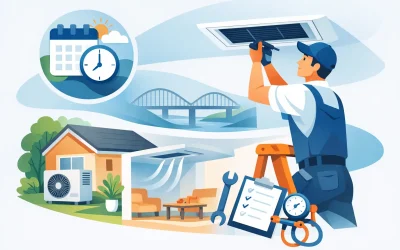
When an air conditioner fails in the middle of a Brisbane summer, the problem usually didn’t start that day. It started months earlier with a dirty coil, a blocked drain, a worn belt or a small electrical issue that no one picked up. That’s why a preventive maintenance schedule matters. It gives your HVAC system regular attention before comfort drops, power bills climb or a full breakdown stops your day.
For homeowners, that means fewer surprises and better cooling when you need it most. For commercial sites, it means less downtime, better asset life, cleaner air, stronger compliance and fewer expensive call-outs. The right schedule is not about over-servicing. It is about doing the right work at the right time.
What a preventive maintenance schedule actually does
A good maintenance schedule is a planned service calendar built around the type of equipment you have, how hard it works and the environment it operates in. A split system in a family home does not need the same servicing pattern as a ducted system in a busy office or a VRF setup in a large facility.
The goal is straightforward. Keep the system safe, efficient and reliable. That involves checking moving parts, cleaning key components, testing performance, spotting wear early and fixing smaller issues before they turn into major faults.
It also helps you budget properly. Reactive repairs tend to arrive at the worst time and usually cost more because the fault has already caused damage or disruption. Planned servicing gives you more control over timing, labour and replacement decisions.
Why one schedule does not suit every property
This is where many people get caught out. They assume annual servicing is enough for every system. Sometimes it is. Often it is not.
A home split system used mainly in summer may only need a different service frequency to a commercial unit running long hours across most of the year. Sites with high dust, heavy foot traffic, kitchens, healthcare settings or ageing equipment usually need more frequent attention. Systems exposed to salt air or harsh outdoor conditions can also deteriorate faster.
Usage patterns matter as well. A unit that runs all day and carries a high load will wear differently from one that only cools a spare room on weekends. The more critical the space, the less risk you can afford to take. If air conditioning failure affects staff, customers, stock, residents or operations, the schedule needs to reflect that.
Preventive maintenance schedule for residential systems
For most homes, the focus is comfort, efficiency and avoiding breakdowns during peak season. A practical schedule usually starts with routine filter cleaning by the homeowner, backed by professional servicing at suitable intervals.
Filters should be checked regularly, especially through heavy use periods. A clogged filter restricts airflow, forces the unit to work harder and can affect indoor air quality. Beyond that, a technician should inspect the system for refrigerant performance, coil condition, drainage, electrical integrity and general wear.
Ducted systems may also need checks across zones, return air grilles and condensate management. If the system is older, has had repeated faults or struggles to maintain temperature, more regular servicing often makes sense. Waiting until performance drops usually means the system has already been running inefficiently for some time.
Preventive maintenance schedule for commercial HVAC
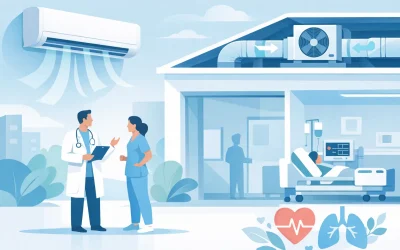
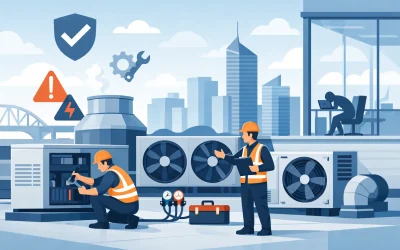
Commercial maintenance needs a more structured approach because the risk is higher. In offices, retail, hospitality, schools, aged care and industrial settings, HVAC performance affects more than comfort. It can affect compliance, hygiene, business continuity and energy spend.
A commercial preventive maintenance schedule often includes quarterly or biannual servicing, though some sites need monthly inspections on critical plant. The schedule should cover all major assets, not just the units that are easiest to access. That includes split systems, package units, ducted systems, VRV or VRF systems, exhaust systems and central plant components where relevant.
The strongest programs also include asset tracking and service records. That gives facility managers a clearer picture of system condition, recurring faults and replacement planning. If one unit keeps failing, you can stop throwing repair money at it and make a better call on upgrade timing.
What should be included in a maintenance visit
A proper service is more than a quick filter rinse and a once-over. The scope depends on the equipment, but it should be detailed enough to improve performance and reduce risk.
Typical work may include cleaning filters, coils and drains, checking fan motors and belts, inspecting electrical connections, testing controls, verifying temperatures and pressures, assessing refrigerant performance, checking for leaks and reviewing general condition. Commercial sites may also require hygiene cleaning, fresh air checks, sensor calibration and compliance-related inspections.
Just as important is what happens after the inspection. You should know what was found, what was corrected and what still needs attention. Good reporting turns maintenance into a decision-making tool, not just a box-ticking exercise.
The cost of getting the schedule wrong
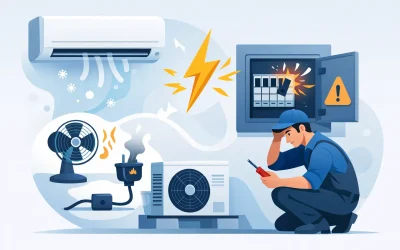
If maintenance is too infrequent, faults build up quietly. Airflow drops, compressors run hotter, motors strain, drains block and energy use creeps up. You may not notice the issue until a room never quite cools properly or the system trips out on a 35-degree day.
If servicing is poorly planned, you can also miss the best time to act. Replacing a worn component during a scheduled visit is very different from organising emergency repairs when the site is already uncomfortable or non-operational.
There is a financial trade-off here. Some owners delay servicing to save money in the short term. Sometimes they get away with it for a while. But when breakdowns hit during peak demand, repair costs, wait times and business disruption can wipe out any saving quickly.
Signs your current schedule is not working
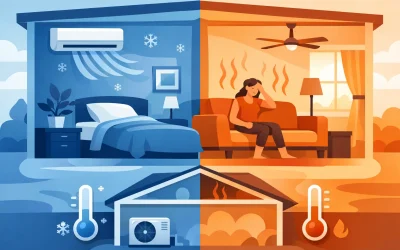
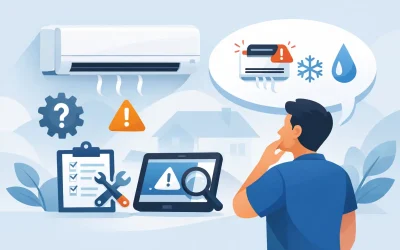
You do not need a full system failure to know your maintenance plan is off. Rising electricity bills, uneven temperatures, poor airflow, musty smells, water leaks and repeated minor faults are all signs that the schedule may be too light or too generic.
For commercial sites, recurring tenant complaints, hot and cold spots, after-hours call-outs and a growing list of deferred repairs usually point to the same issue. The system is being managed reactively instead of proactively.
That does not always mean you need more visits. Sometimes it means you need better-targeted visits with a clearer scope. A tailored plan is usually more effective than a generic annual service across every asset.
How to build the right preventive maintenance schedule
Start with the basics – what equipment is installed, how old it is, how often it runs and how critical it is to the property. Then look at environmental factors such as dust, humidity, occupancy and access. From there, the service frequency and scope can be set more accurately.
For a homeowner, this may be as simple as regular filter cleaning and a scheduled professional service before peak summer demand. For a business or facility manager, it often means a documented maintenance program with set intervals, reporting, repair recommendations and clear service history.
This is where working with an HVAC team that understands both residential and commercial systems makes a real difference. You want practical advice, not a one-size-fits-all schedule. Big Dog Mechanical works with both homeowners and commercial clients across Brisbane and surrounds, so the maintenance plan can be matched to the actual equipment, site conditions and operating pressure.
Maintenance is not just about breakdown prevention
A lot of people think maintenance only exists to stop failures. That is only part of the job. A well-run schedule also helps maintain energy efficiency, extend equipment life and protect indoor air quality.
Clean coils and filters help the system move air properly. Healthy electrical components reduce safety risk. Clear drains help avoid water damage. Regular inspections can also flag when a system is no longer economical to keep repairing, which saves you from sinking money into ageing plant that should be replaced.
For commercial operators, there is another benefit – fewer surprises. That matters when you are managing tenants, staff, customers or vulnerable occupants. Reliability is not just a comfort issue. It supports smoother operations.
The best time to sort out a preventive maintenance schedule is before the next heatwave, not during it. If your system is overdue, unreliable or simply running harder than it should, a tailored service plan gives you a clearer path forward and a better chance of keeping the air on when it counts.