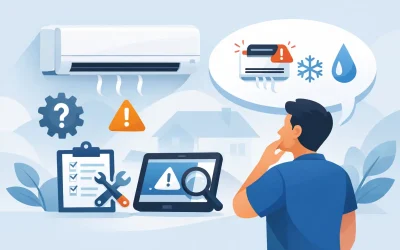
If your air con smells musty when it starts, pushes weak airflow, or leaves dust around the room, the issue is not always a failing unit. Often, it is hygiene. This air conditioning hygiene cleaning guide is built for Brisbane homeowners, property managers and business operators who want cleaner air, better performance and fewer avoidable breakdowns.
A lot of systems still cool even when they are dirty, which is why hygiene problems get ignored for too long. The trouble is that contamination builds quietly. Dust, moisture, mould, bacteria and greasy residue collect on filters, coils, fans and drains. Over time, that affects indoor air quality, system efficiency and reliability.
Why air conditioning hygiene matters
Cleanliness inside an air conditioning system is not just about appearances. In residential settings, poor hygiene can contribute to stale odours, irritated sinuses and uneven cooling. In commercial spaces, the stakes are often higher. Hospitality venues, schools, offices and aged care facilities need systems that support a safe, comfortable environment without creating complaints or downtime.
There is also the efficiency side. When coils and filters are clogged, the system has to work harder to move air and transfer heat. That can mean higher power use, reduced cooling capacity and more wear on components. Hygiene cleaning is one of the simplest ways to protect performance without waiting for a fault to force action.
What hygiene cleaning actually includes
A proper air conditioning hygiene cleaning guide needs to separate basic upkeep from specialist cleaning. Wiping the outer cover and rinsing a filter is useful, but that is only part of the picture.
True hygiene cleaning focuses on the internal areas where contamination builds up and airflow is affected. That usually includes filters, evaporator coils, fan barrels, drain trays, drain lines and accessible internal surfaces. On ducted or larger commercial systems, it may also extend to supply grilles, return air components, duct sections and air handling equipment.
The exact scope depends on the system type. A wall split system has different access points and contamination patterns to a ducted unit, cassette, VRF system or central plant setup. That is why a one-size-fits-all cleaning approach rarely works well.
Signs your system needs hygiene cleaning
Some signs are obvious. A mouldy smell when the unit starts is a common one, especially in humid Queensland conditions. Visible dust on the indoor unit, poor airflow and water leaks from blocked drains are also strong indicators.
Other signs are easier to miss. The system might take longer to cool the room, cycle more often, or leave some spaces feeling sticky even when the temperature setting looks right. In commercial sites, you may notice increased complaints from staff, customers or tenants before anyone links it back to air con hygiene.
If the unit has not had a thorough internal clean in a long time, that alone is reason enough to check it. Systems in high-use settings or properties near traffic, construction, kitchens or coastal air can load up faster than expected.
Air conditioning hygiene cleaning guide for homeowners
For homeowners, the first step is simple – know what you can safely do yourself and what should be left to a licensed HVAC technician. Regular filter cleaning is a good habit. If your manufacturer instructions allow it, wash reusable filters gently, let them dry fully and refit them correctly. Keep the area around the indoor and outdoor units clear so airflow is not restricted.
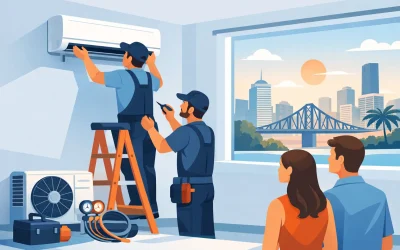
That said, deep hygiene cleaning goes further than routine filter care. The fan barrel, coil and drain components inside a split system can hold grime and microbial growth that is not visible from the front cover. Cleaning those parts properly often requires partial disassembly, coil-safe products and controlled washing methods to avoid damaging electronics or creating leaks.
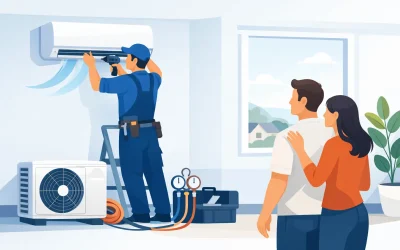
For households with asthma concerns, pets, heavy air con use or recurring smells, professional hygiene cleaning is usually the smarter option. It addresses the source of contamination rather than masking symptoms with sprays or room fresheners.
Air conditioning hygiene cleaning guide for commercial sites
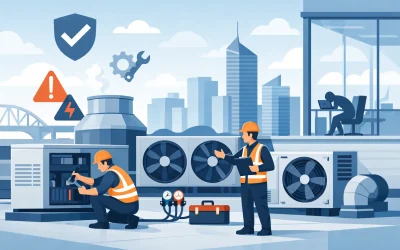
Commercial systems need a more structured approach. In offices, retail, healthcare, education and hospitality settings, hygiene is tied to occupant comfort, asset life and business continuity. A dirty system can affect more than one room, and small hygiene issues can become operational issues quickly.
A commercial air conditioning hygiene cleaning guide should always start with asset type, usage patterns and risk level. A café or kitchen-adjacent tenancy may need more frequent attention than a lightly used office. Aged care and medical environments often need tighter hygiene standards than general commercial spaces. Older systems may also need closer monitoring because worn insulation, ageing drains and reduced access can make contamination harder to manage.
Planned maintenance is usually the best fit here. Instead of waiting for smells, leaks or poor performance, sites can build hygiene cleaning into a preventive program. That reduces disruption, helps with compliance expectations and gives facility managers better visibility over system condition.
How often should air conditioning hygiene cleaning be done?
There is no universal schedule, and anyone who says there is is oversimplifying it. Frequency depends on system type, environment, run time and occupant sensitivity.
For many homes, checking filters every few months and booking professional servicing at sensible intervals is enough to stay ahead of the worst build-up. For commercial sites, cleaning frequency is often driven by hours of operation, site contamination levels and the consequences of system downtime.
Brisbane’s climate matters too. High humidity can accelerate mould growth, especially in units that are used hard and then left idle. Buildings with poor ventilation or consistently closed-up rooms can see hygiene issues develop faster. If you notice recurring odours or blocked drains before your next service cycle, the interval is probably too long.
What can go wrong with DIY cleaning
DIY maintenance has its place, but there is a line. The most common mistake is assuming that if the filter looks clean, the system is clean. In reality, the dirtiest parts are often deeper inside the unit.
Another issue is using the wrong products. Harsh cleaners can damage coil coatings, plastics and insulation. Too much water in the wrong area can affect motors, control boards and surrounding finishes. In ducted and commercial systems, poor cleaning can also spread contamination rather than remove it.
There is also the safety side. Working around electrical components, ceiling spaces or roof-mounted equipment is not a casual weekend job. If the system needs dismantling, drain clearing, fan cleaning or coil treatment, it is usually time to get a technician involved.
What a professional hygiene clean should deliver
A proper professional clean should leave the system cleaner, safer and better able to do its job. That means more than a quick spray-and-go service.
You should expect an inspection of system condition, targeted cleaning of the relevant internal components, attention to drains and airflow, and a clear explanation of any issues found. If parts are heavily contaminated, damaged or deteriorated, that should be called out honestly. A good technician will also tell you if poor hygiene is being caused by a bigger issue such as incorrect drainage, inadequate maintenance frequency or an ageing system nearing the point where repairs are no longer cost-effective.
For commercial clients, documentation and consistency matter as well. The value is not just in one clean unit. It is in having a service partner who can manage multiple assets, respond quickly and help prevent hygiene-related performance problems across the site.
Hygiene cleaning and long-term system value
Clean systems generally last better because they are not under the same strain as neglected ones. That does not mean hygiene cleaning fixes every air con problem. It will not solve a refrigerant leak, failing compressor or major electrical fault. But it can reduce avoidable wear, improve efficiency and help uncover problems earlier.
That matters whether you are running a household budget or managing a commercial property portfolio. Replacing a system before its time is expensive. So is dealing with tenant complaints, emergency callouts or business disruption that could have been reduced with proper maintenance.
For Brisbane conditions, the practical view is simple. If your air conditioning is part of daily comfort or daily operations, hygiene cleaning is not an extra. It is part of keeping the system fit for purpose. Big Dog Mechanical sees this across both homes and commercial sites – the cleaner the system, the more reliable the result.
If you are noticing odours, weak airflow, leaks or rising dust around your unit, do not wait for a full breakdown to force the issue. A clean system does more than feel better on day one. It gives you a better shot at steady performance when you need it most.