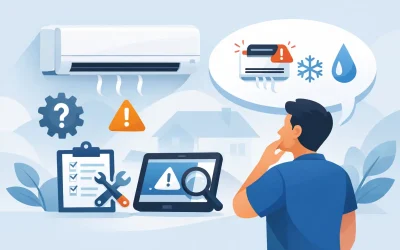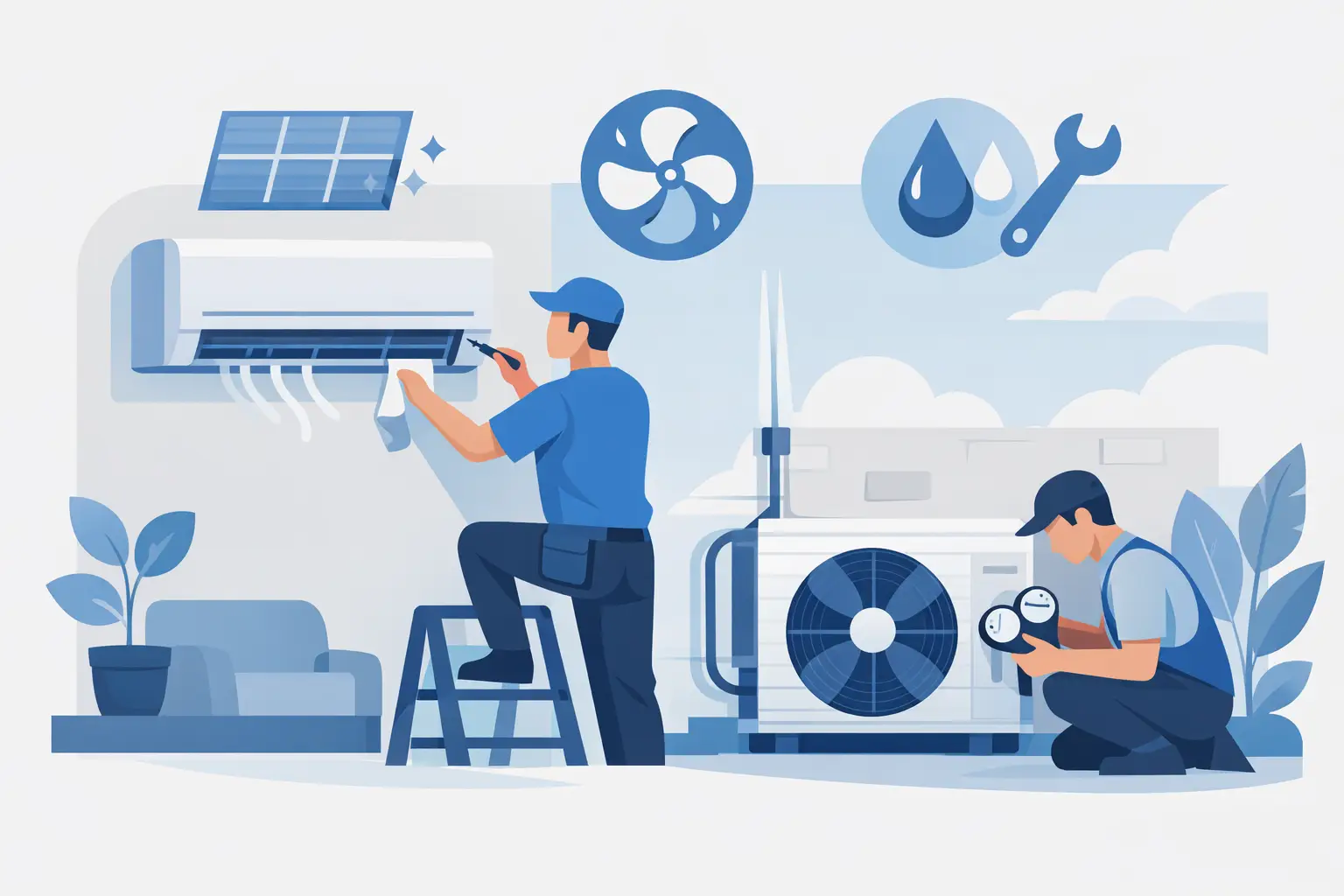
That split system usually gives you plenty of warning before it fails. Airflow drops off, the room takes longer to cool, power bills creep up, or you catch a musty smell when it starts. If you want to know how to maintain split systems properly, the goal is simple – keep them clean, keep them running efficiently, and deal with small issues before they become expensive repairs.
For Brisbane homes and commercial spaces, that matters more than most people realise. Split systems work hard through long cooling seasons, humidity puts extra pressure on components, and neglected units tend to show it fast. Good maintenance is not complicated, but it does need to be consistent.
How to maintain split systems without overcomplicating it
The best maintenance routine is the one you will actually stick to. For most households and small businesses, that means combining regular filter cleaning and visual checks with scheduled professional servicing. You do not need to pull the unit apart yourself, but you do need to pay attention to how it is performing.
A well-maintained split system should cool evenly, start and stop normally, drain condensate without leaking, and run without rattles, odours, or unusual spikes in energy use. When any of those things change, the system is telling you something.
Start with the filters
If there is one task that makes the biggest difference, it is cleaning the return air filters in the indoor unit. Dirty filters choke airflow, force the system to work harder, and reduce comfort across the room. They can also contribute to coil icing, poor air quality, and that dusty smell people often blame on the whole unit.
For a typical home split system, checking the filters every month during heavy use is a sensible rule. In a commercial setting, or in homes with pets, renovation dust, nearby road traffic, or high occupancy, they may need attention more often.
Turn the unit off, open the front cover, remove the filters, and clean them according to the manufacturer instructions. Usually that means a gentle vacuum or a wash with lukewarm water, followed by enough drying time before refitting. Putting damp filters back in place is asking for mould and odour issues.
Keep the indoor unit clean and unobstructed
The indoor head unit should have clear space around it so air can move freely. Furniture pushed directly underneath, curtains blocking airflow, or stored items crowding the unit can reduce performance. It sounds basic, but airflow restrictions are common in both homes and offices.
Wipe down the exterior casing and check the discharge vanes for visible dust build-up. If the fan barrel or coil inside the unit is heavily soiled, that is usually the point where a professional clean is the better option. Surface cleaning helps, but once grime is embedded deeper in the indoor assembly, a proper hygiene clean is what restores airflow and reduces smell.
Do not ignore the outdoor unit
A split system is only as good as the condition of its condenser outside. The outdoor unit needs breathing room. Leaves, grass, dust, fencing, and stored materials can all restrict airflow and push operating pressures higher than they should be.
Check that the area around the unit is clear and that the coil faces are not packed with dirt or debris. If you are cleaning around it, use care. Bending fins or flooding electrical components is an easy way to create a different problem. Keeping vegetation trimmed back and making sure the slab or brackets remain stable goes a long way.
In coastal or high-dust environments, outdoor units can deteriorate faster, so maintenance intervals may need to be tighter. That is one of those areas where it depends on location and exposure, not just system age.
Watch for drainage issues
A leaking indoor unit is one of the most common service calls on split systems, especially in summer. Often the cause is a blocked condensate drain, built-up sludge in the drain tray, or poor fall on the drain line. Sometimes dirty filters contribute by causing the coil to get too cold and ice up.
If water is dripping indoors, do not keep running the system and hope it clears itself. Water damage to walls, ceilings, and flooring gets expensive quickly. A small drainage issue is usually manageable when caught early. Left alone, it can become a mould, hygiene, and repair problem.
Pay attention to performance changes
Knowing how to maintain split systems also means knowing when routine care is no longer enough. If the room is taking much longer to reach temperature, if the unit is short cycling, if it is making grinding or buzzing noises, or if the remote settings do not match the actual output, there may be a mechanical or electrical fault developing.
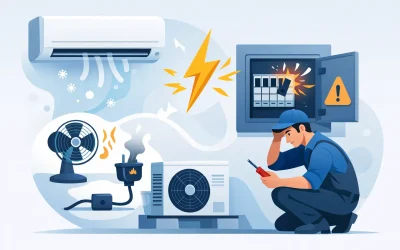
Low refrigerant, sensor issues, fan motor wear, capacitor faults, and PCB problems all sit outside normal DIY maintenance. So does anything involving wiring or refrigerant handling. In Australia, that work must be done by appropriately licensed technicians, and for good reason.
Professional servicing matters more than people think
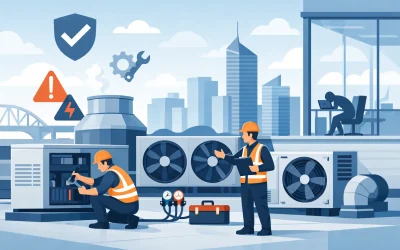
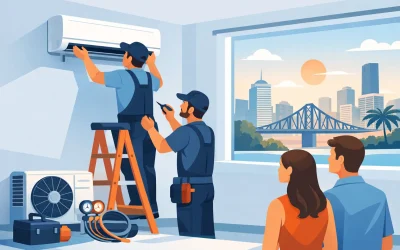
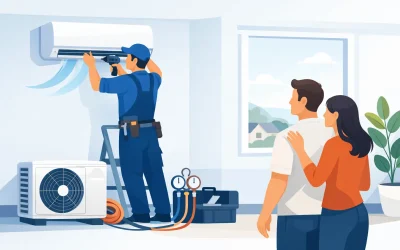
A split system can look fine from the outside and still be underperforming badly. Professional servicing goes beyond a quick wipe-over. It typically includes checking operating pressures and temperatures, inspecting electrical components, testing drainage, assessing coil and fan condition, cleaning where needed, and identifying wear before a breakdown happens.
For most residential systems, an annual service is a sensible baseline. In heavy-use environments, rental properties, hospitality sites, offices, classrooms, and healthcare settings, more frequent servicing often makes better financial sense. Higher usage means more dust, more condensate, and more pressure on moving parts.
This is where preventative maintenance pays off. You are not just chasing comfort. You are reducing the risk of emergency callouts, extending equipment life, and helping the system hold efficiency through peak demand periods.
How to maintain split systems in commercial settings
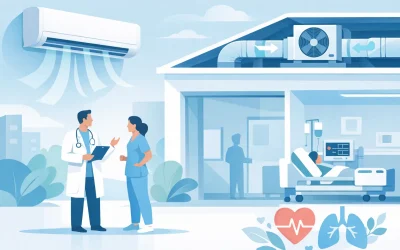
Commercial split systems need a stricter approach because the consequences of failure are different. A hot office affects productivity. A failed unit in hospitality or aged care can become an operational issue quickly. Multiple systems across a site also make it easy for small faults to go unnoticed until they become expensive.
A proper maintenance plan should track asset condition, service dates, recurring faults, and replacement risk. That gives facility managers and business owners clearer visibility over what needs attention now and what can be budgeted for later. It also helps with compliance and planned downtime, which is always preferable to an urgent failure in the middle of summer.
For larger sites, consistency matters. Having every unit checked to the same standard is a lot more useful than ad hoc servicing based on whichever room happens to get complaints first.
Common mistakes to avoid
The biggest mistake is assuming the system is fine because it still turns on. Split systems often keep running while efficiency drops, hygiene issues build up, and component wear accelerates. By the time the unit stops completely, the repair bill is usually higher.
The next mistake is overdoing DIY cleaning. Filters are one thing. Pulling apart covers, poking into drainage, or spraying the wrong chemicals into the unit is another. Some jobs are straightforward. Others are best left to technicians with the right tools and licences.
Another common issue is delaying service because the unit is nearing replacement age. Older systems still need maintenance, and in many cases, regular servicing is what helps you get stable performance while you plan an upgrade properly rather than under pressure.
A practical maintenance rhythm that works
For most people, the right approach is simple. Check and clean filters regularly during cooling season. Keep both indoor and outdoor units clear of dust, clutter, and vegetation. Watch for leaks, odours, noise, and reduced airflow. Then book routine professional servicing before peak summer demand hits.
That gives you the best shot at reliable performance when you actually need it. It also gives technicians the chance to spot issues while they are still minor, instead of when the unit has already failed on a 35-degree day.
Whether it is a single unit at home or a bank of systems across a commercial property, maintenance is really about protecting performance. Big Dog Mechanical works with Brisbane homes and businesses on exactly that basis – practical servicing, fast fault response, and maintenance that keeps systems doing their job.
If your split system is working harder than it should, sounding rough, or falling behind on cooling, treat that as your cue to act early rather than wait for the breakdown.