When a VRV system starts slipping, you usually see it in the places that matter first – rising power bills, uneven temperatures, nuisance faults and complaints from people who expect the building to just work. That is why a proper VRV system servicing guide matters. These systems are built for flexibility and efficiency, but they only stay that way when servicing is done methodically and on schedule.
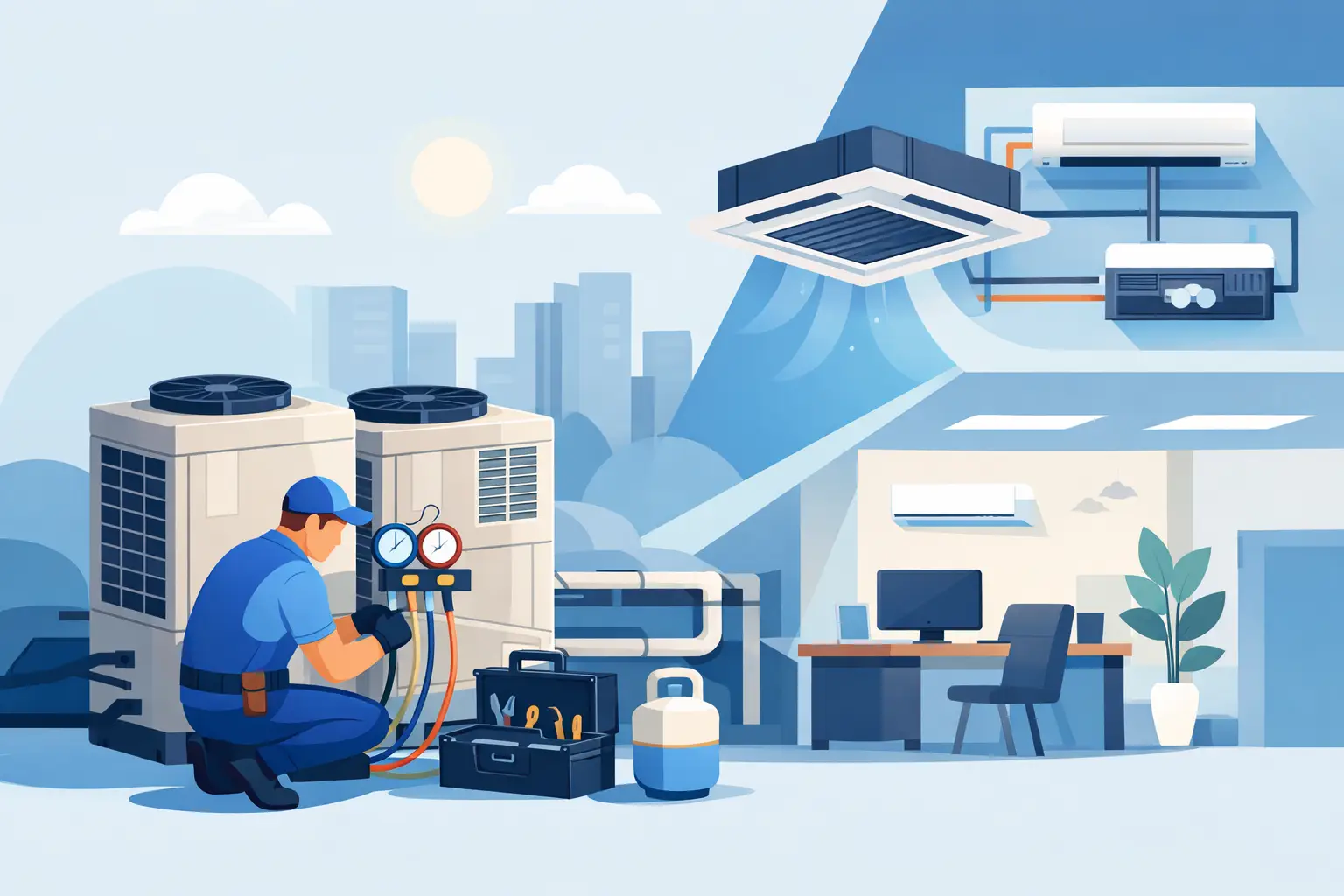
VRV systems are common in larger homes, offices, retail spaces, hospitality venues and multi-zone commercial sites because they can condition different areas with a high level of control. The trade-off is complexity. A split system with one indoor and one outdoor unit is straightforward. A VRV setup may involve multiple indoor units, branch controllers, long pipe runs, control networks and refrigerant management that all need to perform together. If one part is off, the whole system can suffer.
What makes VRV servicing different
A good service is not just a quick filter clean and a visual once-over. With VRV equipment, servicing needs to account for system logic, refrigerant performance, electrical health, airflow and how different zones interact under load.
That matters because many issues do not show up as a complete failure straight away. A sensor drifting out of range, a fan motor pulling high current or a coil gradually fouling up can all reduce performance long before the system stops. In a commercial site, that can mean lost comfort, wasted energy and avoidable downtime. In a home, it usually means rooms never quite feel right and the system runs harder than it should.
A proper VRV service also needs to consider the building itself. Brisbane conditions put plenty of pressure on air conditioning, especially through long humid periods. Outdoor units deal with heat, airborne grime and weather exposure. Indoor units can collect dust, moisture and biological build-up. If servicing is too light or too infrequent, efficiency drops off faster than many owners realise.
VRV system servicing guide – what should be checked
The starting point is always system condition and performance, not guesswork. Technicians should inspect indoor and outdoor units, check controls, review fault histories where available and compare actual operation against expected performance.
Filters need cleaning or replacement as required, but that is only one part of the job. Indoor coils should be inspected for dirt and hygiene issues, condensate drains checked for flow and leaks, and fan operation verified. If drainage is restricted, you can end up with water damage, odours or unit shutdowns.
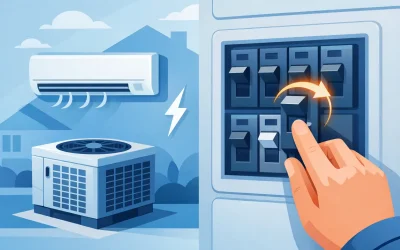
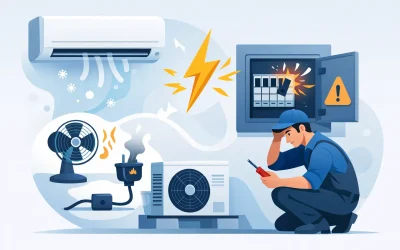
Outdoor units need close attention because they carry much of the system load. Coils should be clean and free from debris, condenser airflow needs to be unobstructed, and fan motors must be operating correctly. Electrical terminals, contactors, boards and protective components should be checked for wear, heat damage or early signs of failure.
Refrigerant performance is another major part of VRV servicing. These systems rely on accurate charge and stable operating pressures. If there is a leak, an undercharge or a control issue affecting refrigerant flow, comfort and efficiency can fall away quickly. Leak detection, pressure testing where needed and performance checks should be handled by qualified technicians who understand VRV controls, not just basic air conditioning service work.
Communication faults are another area where experience matters. A VRV system may have issues with controllers, addressing, sensors or interconnections between indoor and outdoor equipment. These faults can be intermittent, which makes them easy to miss if servicing is rushed.
How often should a VRV system be serviced?
It depends on how hard the system works, what sort of building it serves and how critical comfort is to operations. For many commercial properties, quarterly servicing is a sensible baseline. Sites with high occupancy, long operating hours or stricter environmental requirements may need more frequent attention.
For residential VRV systems, an annual service may be enough in lighter-use situations, but twice-yearly servicing is often a better option in Queensland conditions, especially if the system runs heavily through summer. If there are known issues with dust, coastal air, kitchen exhaust influence or sensitive occupants, servicing intervals may need to tighten up.
The wrong approach is waiting for a fault code or obvious breakdown. By that stage, the problem has usually been building for some time. Preventative servicing costs less than disruption, especially where a failed unit affects trading hours, tenants, staff comfort or vulnerable residents.
Signs your VRV system needs attention sooner
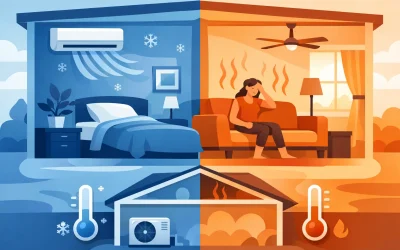
Even with a maintenance plan in place, some symptoms mean the system should be checked before the next scheduled visit. Uneven temperatures across zones, poor humidity control, longer run times, unusual noises, recurring controller alarms and unexplained increases in power use are all worth acting on.
So are water leaks, musty smells and complaints that one area is too cold while another never reaches set point. With VRV systems, those issues can point to airflow restrictions, sensor problems, control faults or refrigerant imbalance. Leaving them too long can push extra wear onto compressors and fans.
If a site has had recent electrical issues, building works or controller changes, it is also worth checking the system. VRV equipment is designed to be precise. Small changes in operating conditions can have a bigger effect than many people expect.
Why preventative maintenance pays off
The main benefit of routine servicing is reliability. Buildings need stable comfort, and households want the system to work when the heat ramps up. Preventative maintenance reduces the chance of emergency breakdowns and gives technicians the chance to catch wear early.
It also helps with energy performance. Dirty coils, restricted filters, poor airflow and failing components make the system run longer for the same result. That extra load shows up on your electricity bill. On a larger commercial site, the cost difference can be significant across a full cooling season.
Then there is equipment life. VRV systems are a serious investment. Looking after them properly can delay major repairs and help avoid premature replacement. That does not mean servicing prevents every issue. Compressors, boards and electronics can still fail with age. But regular maintenance gives you a far better chance of getting full value from the asset.
For commercial clients, there is also the compliance and planning side. A structured maintenance record helps with asset management, budgeting and contractor accountability. If you manage multiple tenancies or critical environments, that visibility is not optional. It is part of running the building properly.
Choosing the right team for VRV servicing
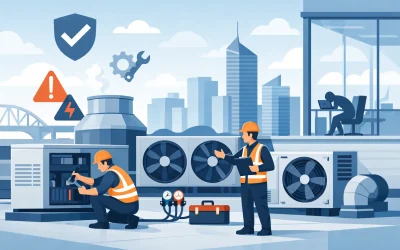
Not every air conditioning contractor is set up for VRV work. These systems need technicians who understand staged diagnostics, manufacturer controls, refrigerant behaviour and multi-zone system design. A general service approach can miss the real issue or treat the symptom instead of the cause.
That is why experience across both residential and commercial HVAC matters. A contractor should be able to service the plant cleanly, explain findings clearly and recommend action based on risk, not guesswork. You want practical advice – what needs doing now, what can be monitored and what could become a larger problem if ignored.
Response time matters too. If a VRV system supports offices, medical spaces, hospitality venues or aged care environments, delays can quickly become operational headaches. The best service relationship is not just about routine maintenance. It is about having a team that can step in fast when performance drops or faults appear.
For Brisbane and wider Queensland sites, local knowledge helps. Climate, building use and seasonal demand all affect how a system should be maintained. Big Dog Mechanical works across both homes and commercial properties, which means the servicing approach can be matched to the site rather than forced into a one-size-fits-all schedule.
A practical approach to your VRV system servicing guide
If you own, manage or rely on a VRV system, the smart move is simple – service it before it gives you a reason to. Start with the manufacturer recommendations, then adjust based on usage, environment and how critical the system is to comfort or operations.
Keep records, act on early warning signs and do not settle for surface-level servicing on complex equipment. A good maintenance plan protects efficiency, reduces avoidable repairs and keeps your system doing the job it was installed to do.
When your air conditioning supports staff, customers, tenants or family comfort, reliable performance is never just a nice extra. It is part of keeping the place running as it should.