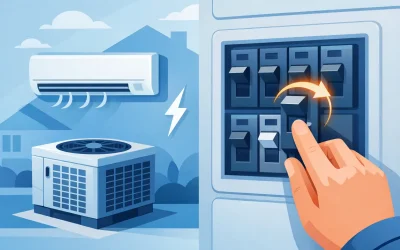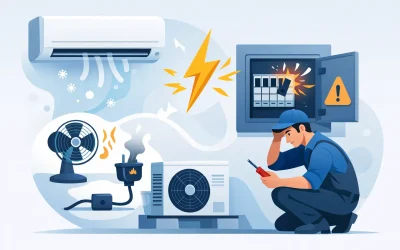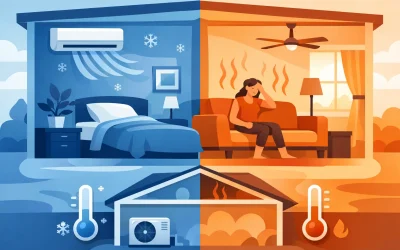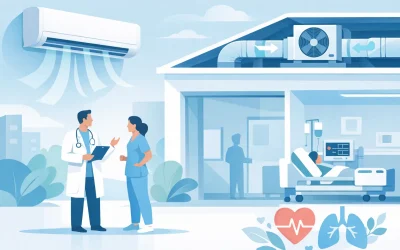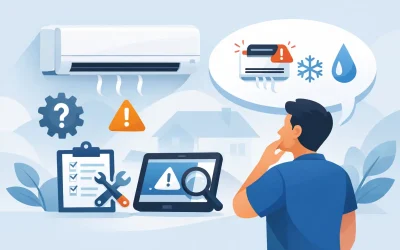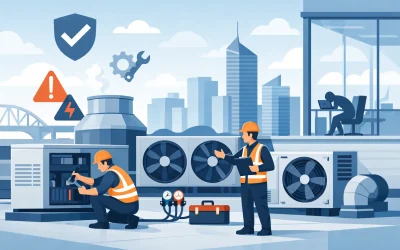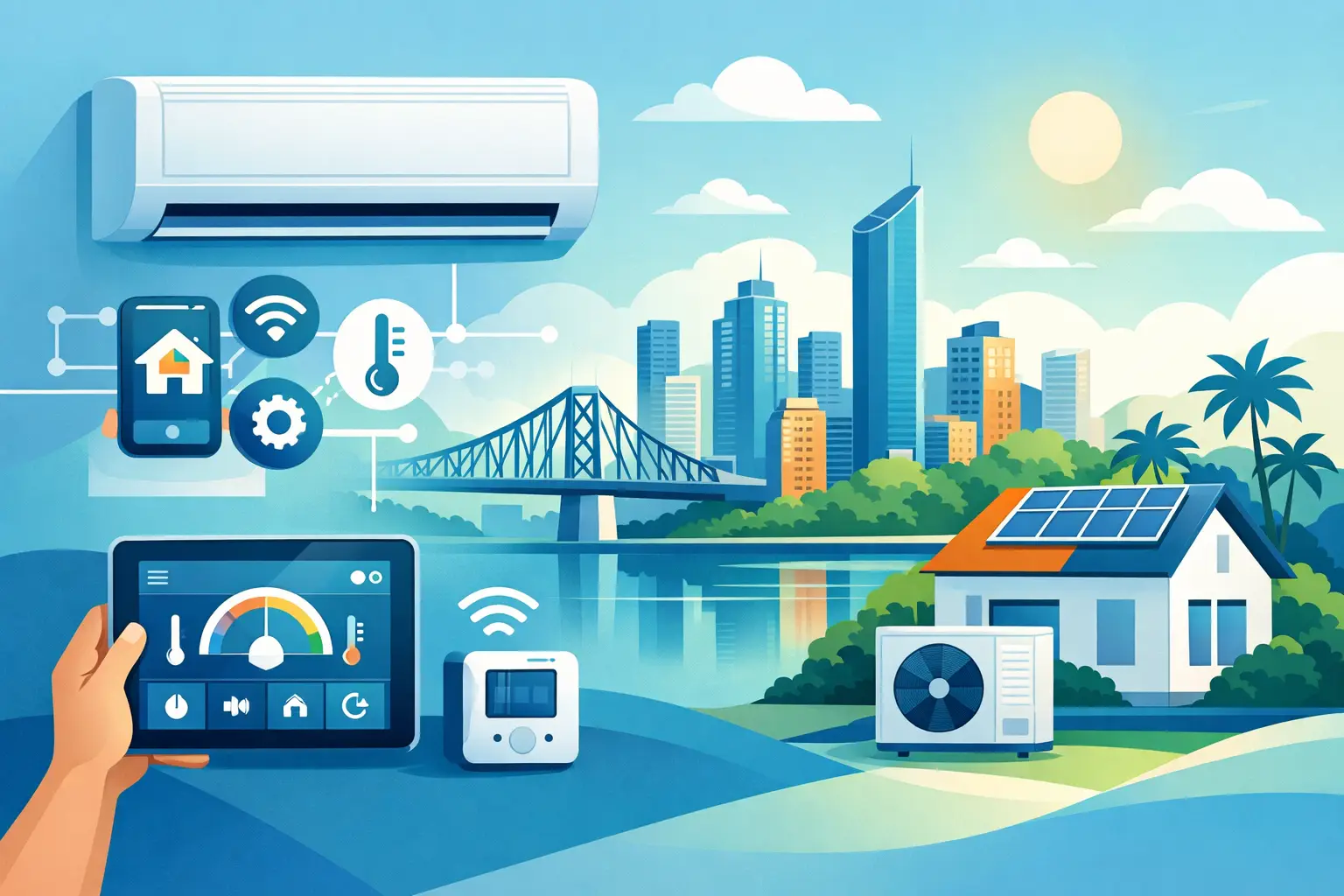
A split system that warns you before it fails, a ducted setup that trims power use on a 35-degree day, and a commercial site that can track performance across multiple zones from one dashboard – that is the future of smart HVAC, and it is already starting to show up across Brisbane. For property owners, facility managers and homeowners, the shift is less about flashy tech and more about one thing: getting better performance, fewer surprises and lower operating costs.
Smart HVAC is moving well beyond basic app control. A few years ago, “smart” usually meant turning the system on from your mobile before you got home. Now it means connected equipment, better sensors, automated adjustments, fault alerts, usage insights and maintenance planning based on actual system condition rather than guesswork. That matters in Queensland, where air conditioning is not a luxury for much of the year. It is part of how homes stay liveable and businesses stay operational.
What the future of smart HVAC actually looks like
The next phase of HVAC is practical. Systems are getting better at collecting data, interpreting it and using it to improve how they run. In a home, that might mean a ducted system adjusting airflow based on which rooms are occupied and what the outdoor temperature is doing. In a commercial building, it could mean identifying a fan motor that is drawing more power than normal before it causes a breakdown.
The key change is not that systems are becoming fully automatic and removing the need for human expertise. It is that good data gives technicians and owners a clearer picture of what is happening. That leads to faster fault finding, more targeted maintenance and smarter decisions about repairs or upgrades.
For older buildings, there is a trade-off. Not every site is ready for full smart integration. Some systems can be upgraded with controls, sensors or monitoring tools, while others are better candidates for staged replacement. The right approach depends on the age of the plant, the condition of the equipment, the controls already in place and how critical uptime is.
Smarter control, not just more control
A lot of people hear “smart HVAC” and think of phone apps. That is part of it, but it is not the main value. The bigger advantage is systems making informed adjustments without needing constant manual input.
In residential settings, smarter control can reduce the common problem of cooling empty rooms or overworking a system because the thermostat location is not giving a true reading. Zoned control, occupancy sensing and more accurate temperature feedback can help a system run closer to actual demand. That can improve comfort and reduce wear at the same time.
In commercial environments, smart control becomes even more valuable because conditions change throughout the day. Hospitality venues, schools, aged care facilities and offices all have different occupancy patterns, internal heat loads and operating hours. A system that responds to those changes in real time has a better chance of maintaining comfort without wasting energy.
That said, more control points do not automatically mean better results. Poor setup, bad commissioning or controls that are too complex for the site can create more headaches than savings. Smart HVAC only works well when the system is designed properly, installed cleanly and supported by technicians who understand both the equipment and the building it serves.
Energy efficiency will drive most decisions
Power costs are a major reason smart HVAC is gaining ground. Brisbane property owners and business operators are looking harder at running costs, especially where air conditioning is used heavily across long periods.
The future of smart HVAC will be shaped by systems that can cut unnecessary usage without compromising comfort. That includes variable-speed operation, better zoning, smarter scheduling, demand-based ventilation and performance monitoring that flags inefficiencies early. Even small issues such as dirty coils, sensor drift or airflow restrictions can push energy use up over time. If a smart system can identify those trends early, owners have a chance to fix them before they become expensive.
For commercial sites, this also ties into asset planning. A system that regularly reports poor efficiency or repeated faults gives a clearer basis for deciding whether to repair, overhaul or replace. Instead of reacting only when equipment fails, facility managers can make decisions based on actual performance data.
For homeowners, the gains are usually simpler but still worthwhile. Better control over schedules, zones and setpoints can trim waste, especially in larger homes with ducted air. The biggest savings tend to come when smart controls are paired with a correctly sized system and regular servicing. Tech cannot compensate for poor installation or neglected maintenance.
Predictive maintenance is where smart HVAC gets serious
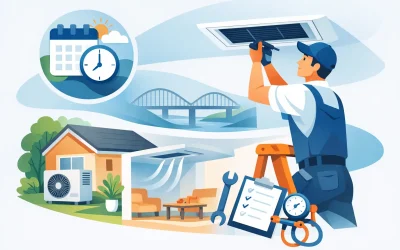
One of the most useful developments in smart HVAC is predictive maintenance. Rather than waiting for a breakdown or sticking rigidly to a calendar schedule, connected systems can help identify signs of trouble earlier.
A change in operating temperature, compressor behaviour, power draw or airflow can indicate that a component is under stress. Catching that early can mean a planned service visit instead of an after-hours emergency callout. For a homeowner, that may mean avoiding a failed unit in the middle of summer. For a business, it can mean avoiding downtime, tenant complaints or disruptions to staff and customers.
This does not mean traditional maintenance becomes unnecessary. Filters still need cleaning, coils still need attention and mechanical components still wear out. What changes is the quality of the information behind the maintenance plan. The result should be a more targeted service approach, less wasted spend and fewer avoidable failures.
In practice, this is especially useful for commercial clients with multiple assets or complex systems such as VRV, VRF and central plant. The more equipment a site has, the more valuable early warning becomes.
Indoor air quality will matter more
Smart HVAC is also moving closer to indoor air quality management. Temperature alone is no longer the whole conversation. More homes and businesses want better visibility over humidity, ventilation and filtration performance, particularly in environments where comfort, hygiene or occupant wellbeing are important.
In Queensland, humidity control can be just as important as cooling. A space may reach the set temperature and still feel uncomfortable if moisture levels are too high. Smarter systems can respond more accurately to that balance, which improves comfort and can also help protect interiors, stock or equipment.
For commercial operators, better monitoring of ventilation and air quality can support healthier indoor conditions and stronger compliance outcomes. But it is worth being realistic. Sensors and dashboards are useful, but they are only part of the solution. If ductwork is dirty, airflow is poor or equipment is undersized, the data will not fix the underlying problem.
Retrofitting will be a big part of the market
Most buildings in Brisbane are not starting from scratch. They already have existing air conditioning in place, and that means retrofitting will play a major role in the future of smart HVAC.
Some properties can add smart thermostats, zone controls, monitoring devices or upgraded controllers without replacing the full system. Others may need a broader upgrade to get the benefits they want. The difference usually comes down to compatibility, system age and whether the existing plant is worth investing in.
This is where practical advice matters. There is no point spending on smart add-ons for a system that is near the end of its service life or is poorly suited to the building. In those cases, a replacement strategy may deliver better value over the long term.
A good HVAC partner will look at the whole picture – equipment condition, site usage, comfort issues, energy performance and future plans for the property. That avoids the common mistake of treating smart controls as a fix-all.
What Brisbane owners should expect next
Over the next few years, expect smart HVAC to become less of a premium extra and more of a standard expectation, particularly in better-quality installations and commercial upgrades. More systems will come with built-in connectivity, more clients will expect real-time visibility, and more maintenance programs will use live system data to guide service decisions.
For homeowners, the biggest wins will likely be comfort, convenience and running cost control. For commercial clients, the value is broader – energy performance, asset visibility, reduced downtime and better planning.
The common thread is reliability. Smart HVAC is not about adding bells and whistles for the sake of it. It is about making air conditioning work harder where it should, back off where it can, and give you earlier warning when something is not right.
If you are planning a new installation, an upgrade or a maintenance strategy, the smart move is to focus on technology that solves a real problem on your site. The best systems are not the ones with the longest feature list. They are the ones that keep your building comfortable, efficient and dependable when Queensland weather puts them to work.