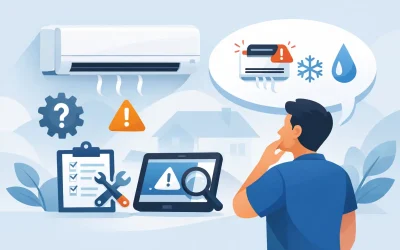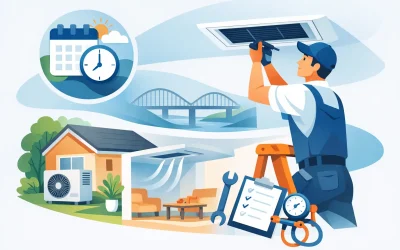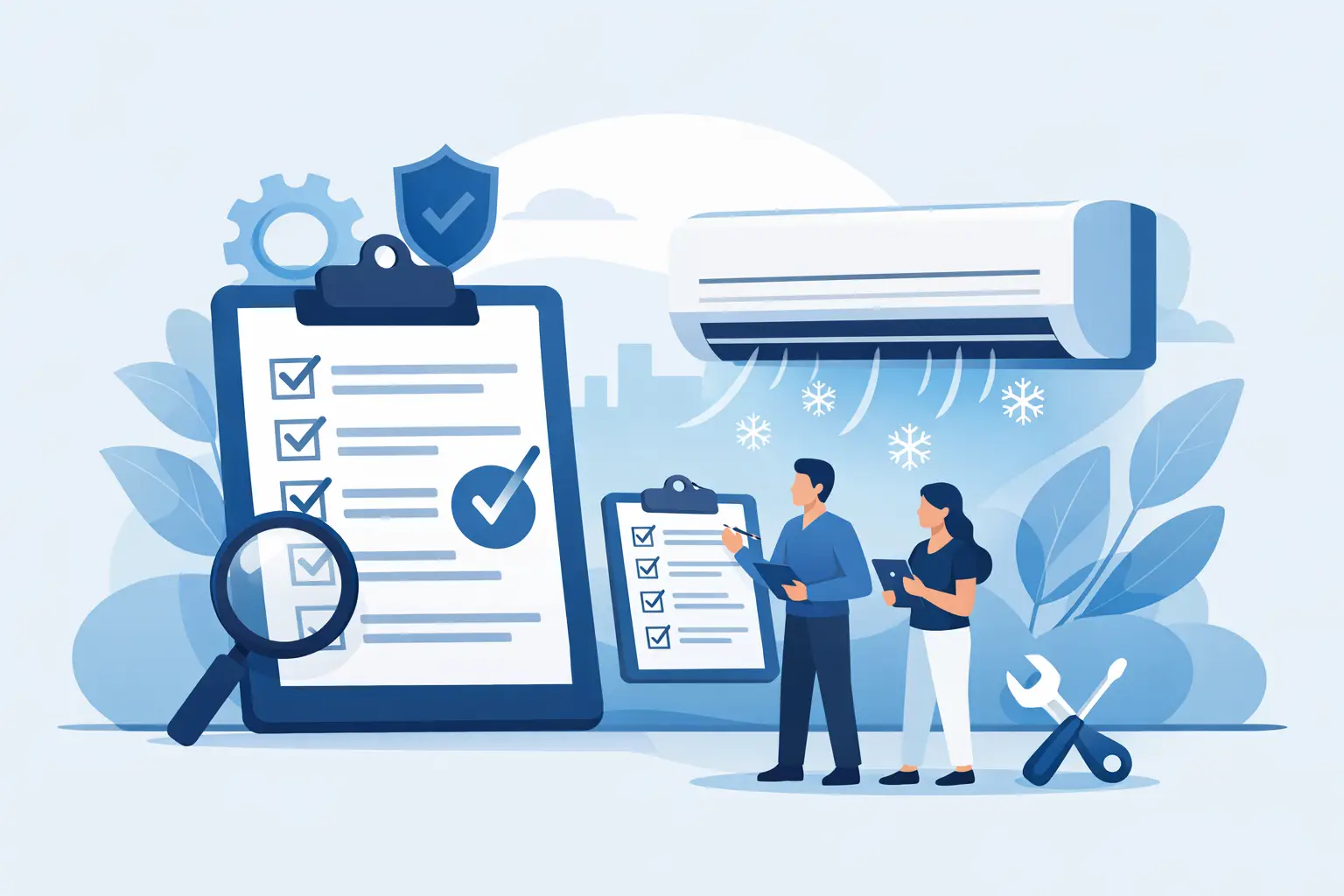
A failed inspection, a tenant complaint, a breakdown in summer, or a surprise issue during a site audit usually starts the same way – no one realised compliance had slipped. An air conditioning compliance checklist gives you a practical way to stay ahead of safety risks, maintenance gaps and avoidable repair costs before they turn into a bigger problem.
For Brisbane property owners, facility managers and homeowners, compliance is not just paperwork. It affects system performance, occupant comfort, hygiene, electrical safety and whether your equipment is being maintained the way it should be. The exact requirements can vary depending on the type of site, the system installed and how the building is used, but the core checks are consistent.
What an air conditioning compliance checklist should cover
A proper air conditioning compliance checklist is not just a service sheet with a few boxes ticked. It should reflect how the system operates in the real world and whether it is safe, efficient and fit for purpose.
At a minimum, the checklist should cover system condition, maintenance history, electrical integrity, refrigerant handling, drainage, airflow, cleanliness and documentation. For commercial sites, it should also account for the way HVAC affects workplace safety, occupancy comfort and asset planning.
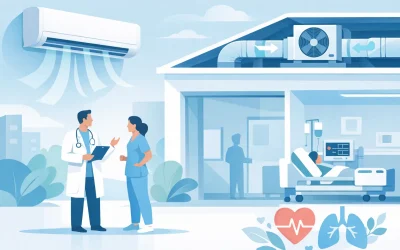
For a homeowner, that might mean checking whether a split system is draining correctly, cooling properly and showing any signs of wear. For a school, office, aged care facility or hospitality venue, the checklist needs to go further. You need visibility over multiple assets, service intervals, fault patterns and whether systems are meeting operational demands without putting pressure on energy costs or uptime.
Safety and legal obligations come first
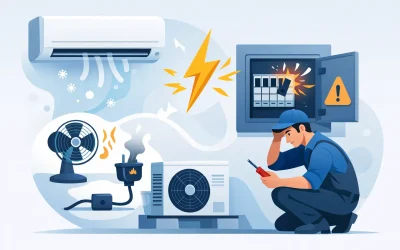
Compliance starts with safety. If an air conditioning system has electrical faults, damaged components, blocked drains or poor ventilation performance, the issue is not just inconvenience. It can become a risk to people and property.
That is why licensed servicing matters. Electrical work, refrigerant handling and mechanical repairs must be carried out correctly and by suitably qualified professionals. If records are unclear or service history is patchy, that is usually the first sign the system is not being managed properly.
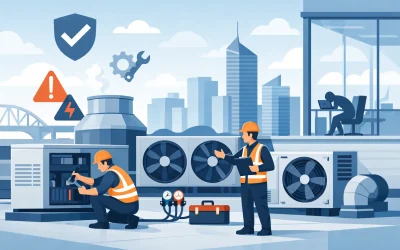
Commercial operators also need to think about broader obligations. Depending on the building type, there may be workplace health and safety responsibilities, tenancy obligations, indoor air quality expectations and maintenance duties tied to insurance or property management arrangements. There is no one-size-fits-all rulebook for every site, which is why a checklist should always be matched to the building and equipment.
The core items to check
1. Service records and maintenance schedule
Start with the basics. Is there a clear maintenance history for the system, and is it being serviced at suitable intervals? If there is no documented schedule, you are guessing.
Regular servicing helps show that the system has been maintained responsibly, but it also makes faults easier to track. If one unit keeps losing performance or repeatedly needs repairs, your records should make that obvious.
2. Electrical components
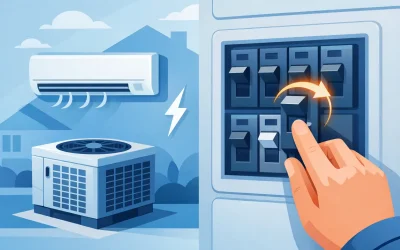
Loose connections, worn isolators, damaged wiring and failing capacitors can all affect safety and reliability. These are not issues to leave until a unit stops working.
Electrical checks should confirm that components are in sound condition, safely installed and operating within normal range. On commercial systems, this becomes even more important because the consequences of failure can spread across multiple occupied areas.
3. Refrigerant compliance
Refrigerant leaks are not just a performance issue. They can affect system efficiency, cooling output and environmental compliance.
A checklist should include signs of leakage, pressure irregularities and whether refrigerant work has been handled correctly. If a system has been topped up repeatedly without resolving the cause, that is a red flag. It may keep the unit running for now, but it is not proper fault rectification.
4. Filters, coils and hygiene
Dirty filters and fouled coils reduce airflow, lower efficiency and can contribute to poor indoor air quality. In homes, that often shows up as weak cooling or musty smells. In commercial settings, it can affect occupant comfort and increase operating costs across the site.
Hygiene cleaning should be part of compliance where needed, especially in high-use environments. A checklist should note filter condition, coil cleanliness and any microbial growth or contamination concerns.
5. Condensate drainage
Blocked drains and overflowing trays are common problems, particularly in humid conditions. Left alone, they can lead to water damage, mould and ceiling or wall issues.
Checking the drainage system is simple but critical. If water is not clearing properly, the problem needs attention before it becomes a building defect as well as an HVAC one.
6. Airflow and temperature performance
A compliant system should not just switch on. It should cool or heat effectively, move air properly and maintain stable performance under load.
Poor airflow can point to blocked filters, fan problems, duct issues or control faults. Temperature checks help confirm whether the system is actually doing its job or just consuming power while underperforming.
7. Controls, sensors and set points
A well-maintained unit can still waste energy if controls are not working properly. Faulty sensors, incorrect time schedules or poor set point management often lead to complaints about comfort and rising power bills.
For commercial sites, this is where efficiency and compliance often overlap. If controls are not calibrated or schedules do not reflect occupancy, the system may be running longer than needed or failing to condition spaces when it should.
Why checklists matter more on commercial sites
Residential air conditioning compliance is usually straightforward. Most homeowners want to know the system is safe, clean and ready for summer. Commercial properties are different because there are more moving parts, more users and more consequences when something goes wrong.
A single site may have split systems in offices, ducted units in common areas and larger mechanical equipment supporting critical operations. That means compliance needs to be managed across an asset base, not just unit by unit.
The main risk is inconsistency. One unit gets serviced because it breaks down, another is overdue, and nobody has a clear view of the full picture. An air conditioning compliance checklist creates a repeatable standard so nothing important gets missed.
It also supports budgeting. If your checklist shows ageing equipment, repeated faults or declining performance, you can plan upgrades before you are forced into emergency replacements.
Compliance is not the same as over-servicing
There is a practical balance here. Not every site needs the same frequency of maintenance, and not every minor issue needs a major repair. Compliance should be proportionate to the system, usage and risk profile.
A home split system in light use may need a different servicing approach to a high-traffic retail site or an aged care facility where comfort and reliability are non-negotiable. The point of a checklist is not to create extra work. It is to make sure the right work happens at the right time.
That is where experienced HVAC support makes a difference. A good technician will tell you what genuinely needs attention now, what should be monitored and what can wait. Straight answers save money.
Signs your current process is not enough
If you are relying on memory, scattered invoices or reactive callouts, your compliance process is already under pressure. The same applies if systems are being serviced without clear reports, faults keep returning, or no one can confirm the age and condition of key assets.
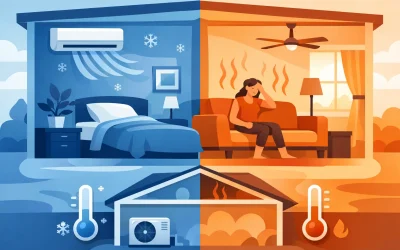
Another warning sign is when comfort complaints become normal. If staff, tenants or family members are constantly saying one room is too hot, airflow is poor or the system smells off, there is usually an underlying maintenance or performance issue that has not been addressed properly.
For larger sites, lack of asset visibility is one of the biggest problems. If you do not know what equipment is installed, when it was last serviced and what condition it is in, compliance becomes guesswork.
Turning a checklist into a workable plan
The best checklist is one that gets used consistently. It should be easy to follow, linked to scheduled servicing and supported by clear reporting.
For homeowners, that may be as simple as an annual or seasonal service with documented findings. For commercial operators, it usually means a preventative maintenance program with asset tracking, routine inspections and fast response when issues are identified.
This is where a local specialist matters. Brisbane conditions are hard on air conditioning systems, especially during long hot periods and heavy humidity. Equipment needs to be maintained with those operating conditions in mind, not treated like a generic box on the wall.
Big Dog Mechanical works with both homes and commercial sites across the region, so the approach can match the building, the system and the level of risk involved. That means practical compliance support, not vague advice and not a one-size-fits-all checklist.
If your air conditioning has not been reviewed properly in a while, now is the right time to get ahead of it. A clear checklist backed by qualified servicing gives you fewer surprises, better performance and more confidence when the heat hits.