When an air conditioner is low on refrigerant, it rarely fails all at once. More often, it starts with a room that takes too long to cool, a system that runs harder than usual, or an energy bill that creeps up for no obvious reason. Knowing the best signs of refrigerant problems early can save you from a full breakdown, bigger repair costs, and unnecessary strain on the rest of the system.
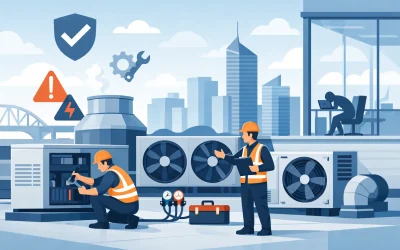
Refrigerant is what allows your air conditioning system to absorb heat from inside and release it outside. If the charge is low, or there is a leak somewhere in the circuit, performance drops. That affects comfort at home, but it can also create real operational headaches in offices, retail spaces, hospitality venues, schools, and other commercial sites where temperature control matters every day.
Why refrigerant problems need quick attention
A refrigerant issue is not something that fixes itself. If a system is undercharged because of a leak, adding more refrigerant without finding the source only buys time. The leak stays there, the gas escapes again, and the unit keeps operating under stress.
That stress can show up in different ways depending on the type of system, its age, and how heavily it is used. A small split system in a home might simply struggle through hot weather. A larger commercial setup may start losing efficiency across multiple zones, creating comfort complaints, higher power use, and a greater risk of compressor damage.
The trade-off is straightforward. The earlier the issue is diagnosed, the more likely the repair stays limited to leak detection, sealing, pressure testing, and recharge. Leave it too long, and the repair can become more involved.
The best signs of refrigerant problems to watch for
1. Weak or uneven cooling
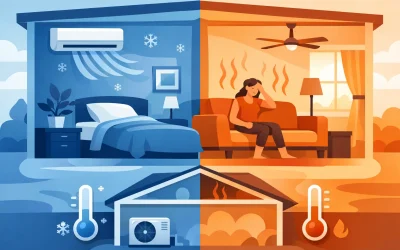
If your system is switched on, the fan is running, but the air coming out does not feel properly cold, refrigerant should be on the list of possible causes. This is one of the clearest signs because low refrigerant reduces the system’s ability to remove heat effectively.
In homes, that usually feels like bedrooms staying muggy late into the evening or living areas never quite reaching the set temperature. In commercial spaces, it may show up as hot and cold spots, especially across different rooms or zones. That said, weak cooling is not always a refrigerant fault. Dirty filters, blocked coils, failing fans, and control issues can produce similar symptoms, which is why proper testing matters.
2. Longer run times than normal
Air conditioners naturally work harder during a Brisbane summer, but they should still cycle in a predictable way. If the unit seems to run for long stretches without getting on top of the load, low refrigerant could be part of the problem.
When the system cannot transfer heat efficiently, it has to keep running to chase the same result. That means more wear on components and higher operating costs. For business operators, this often becomes noticeable when comfort complaints increase even though the unit appears to be running constantly.
3. Ice forming on the indoor coil or pipework
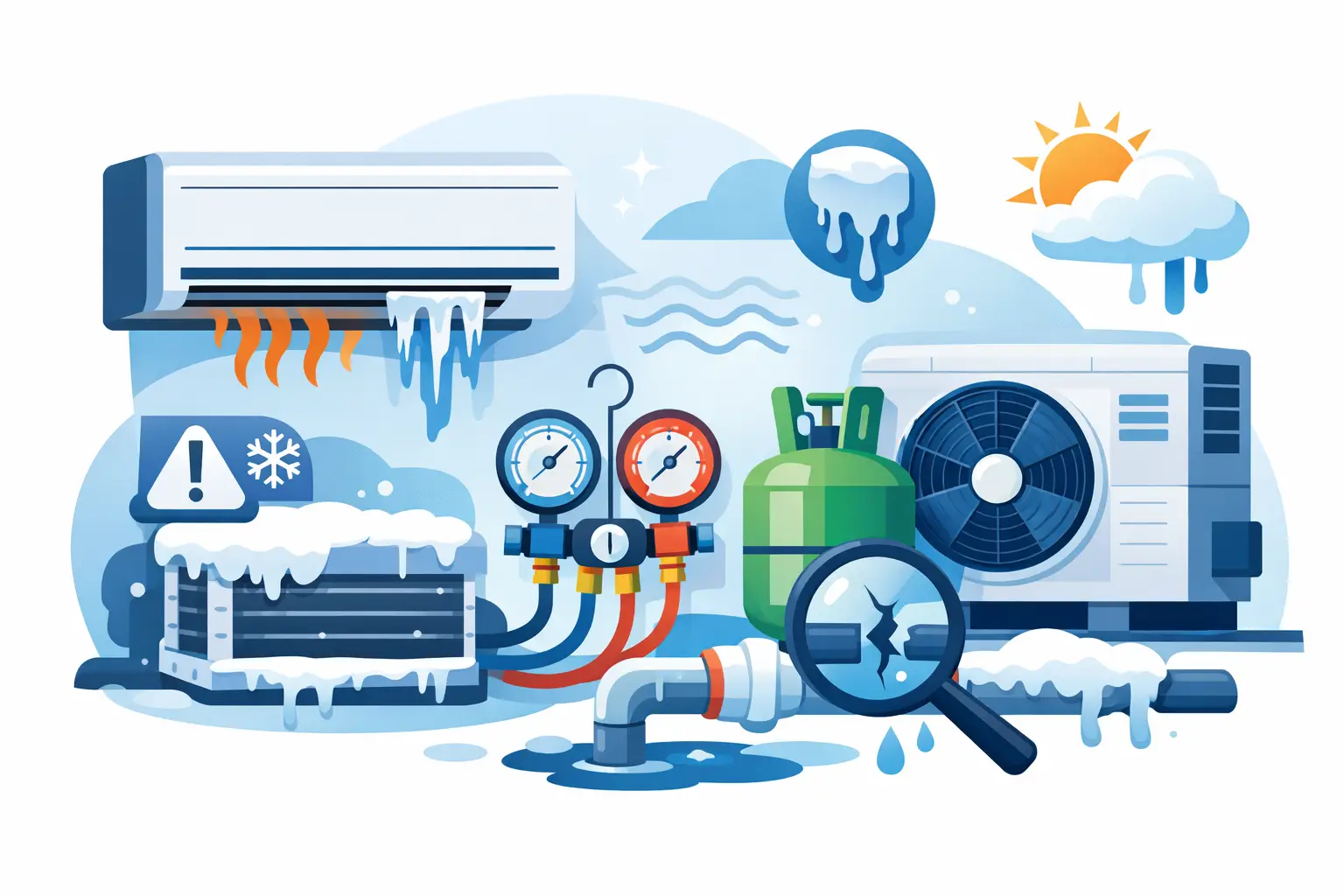
Ice on refrigerant lines or the indoor coil is a strong warning sign. Many people assume ice means the unit is working extra hard and therefore cooling well. In reality, ice often points to a problem.
Low refrigerant can cause pressure to drop and coil temperatures to fall too far, which leads to freezing. Once ice builds up, airflow becomes more restricted and performance drops even further. A dirty filter can also contribute to icing, so again, this is not a diagnosis on its own. But if you can see frost or ice where it should not be, it is time to get the system checked.
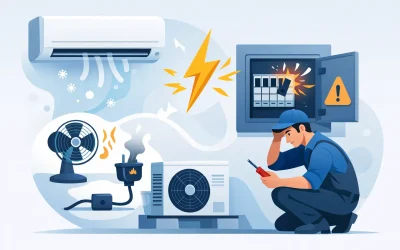
4. Hissing or bubbling sounds
Air conditioning systems are not silent, but they should sound consistent. A hissing noise can indicate refrigerant escaping under pressure. Bubbling can suggest gas moving through a leak point in the line set or coil.
These sounds are easy to miss in busy environments, but they are worth paying attention to. In a quiet home, you may hear them near the indoor unit or outdoor condenser. In a commercial setting, they may be masked by normal building noise, which is one reason routine maintenance is valuable.
5. Higher power bills without a clear reason
If usage habits have stayed roughly the same but electricity costs have climbed, inefficient air conditioning is a common culprit. A low refrigerant charge forces the system to work longer and less efficiently to produce the same cooling output.
This sign is often missed because it develops gradually. Homeowners may put it down to seasonal demand. Facility managers may assume the increase is spread across broader site operations. The pattern to look for is reduced comfort paired with increased run time and no obvious external explanation.
6. Poor humidity control indoors
Air conditioning does more than cool the air. It also helps remove moisture. When refrigerant levels are off, that moisture removal process can suffer.
The result is a home or workplace that feels sticky even when the thermostat says the temperature is acceptable. In Queensland conditions, that matters. A room can feel uncomfortable long before it feels genuinely hot. If the air feels damp, heavy, or clammy for no good reason, refrigerant issues are worth investigating alongside drainage, airflow, and sensor faults.
7. The outdoor unit is working, but the result indoors is poor
Sometimes the outdoor condenser sounds normal enough, yet the indoor result is underwhelming. This mismatch can happen when the refrigeration cycle is compromised. The system is technically operating, but not doing the job it was designed to do.
This is where people often delay calling for service because the unit has not stopped completely. That delay can be costly. Partial performance loss still means the system is under strain, and compressors do not respond well to ongoing poor operating conditions.
8. A sudden drop in performance after previous repairs
If the system was recently topped up with refrigerant and then starts losing performance again, that is a red flag. Refrigerant is not a consumable like fuel in a vehicle. In a sealed system, it should not simply run low under normal conditions.
A repeated need for recharge usually means there is a leak that has not been fully located or repaired. This is especially important in older equipment where corrosion, vibration, or worn joints may create recurring faults. Sometimes the right call is repair. Sometimes, depending on age and condition, replacement becomes the better long-term option.
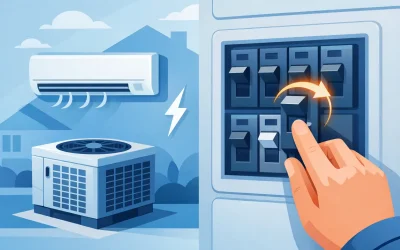
9. Fault codes, pressure trips, or unexplained shutdowns
Modern systems often protect themselves when operating pressures move outside safe limits. Low refrigerant can contribute to pressure-related faults, lockouts, and erratic system behaviour.
For homeowners, that may look like a unit that starts, stops, and refuses to cool properly. For commercial operators, it may trigger alarms through building management controls or repeated after-hours callouts. While fault codes can point in different directions, refrigerant charge and leak issues are common enough to warrant proper inspection.
What causes refrigerant problems?
The most common cause is a leak. That leak might be in the evaporator coil, condenser coil, flare connections, braze joints, valves, or pipework. Corrosion, vibration, age, poor installation practices, and physical damage can all play a part.
Not every refrigerant problem comes from a leak, though. Incorrect charging during installation or previous repair work can also cause trouble. An overcharged system can perform poorly too, so more refrigerant is not always better. That is why pressure readings, temperature checks, and system-specific testing matter more than guesswork.
What you should do if you notice these signs
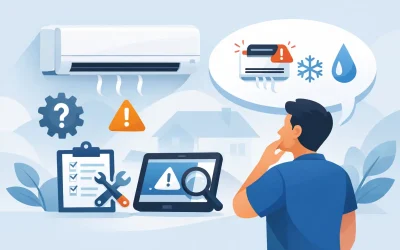
If you suspect a refrigerant problem, the practical move is to stop pushing the system harder and arrange a proper service call. Cranking the thermostat lower will not solve the issue. It usually just increases run time.
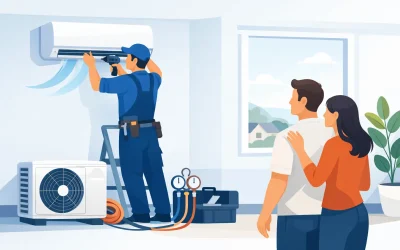
A qualified technician should inspect the system, test operating pressures, confirm whether the charge is low, identify any leak points, and verify that other components are not contributing to the problem. For homes, that helps avoid compressor damage and unreliable cooling during peak heat. For businesses, it reduces the risk of downtime, tenant complaints, stock issues, or uncomfortable indoor conditions for staff and customers.
In Brisbane and surrounding areas, where air conditioning gets a real workout for much of the year, early action makes a difference. Big Dog Mechanical sees this regularly across both residential and commercial systems – a problem that starts small but becomes far more disruptive once the unit has been limping along for weeks.
When repair makes sense and when replacement is smarter
It depends on the age of the unit, the type of refrigerant it uses, the size of the leak, and the overall condition of the system. If the equipment is relatively modern and otherwise sound, repairing the leak and recharging the system is often the right move.
If the unit is older, has had repeat refrigerant issues, or is already struggling with major wear, replacement may offer better value. A new system can improve efficiency, reliability, and compliance, particularly in commercial sites where downtime costs more than the equipment itself.
The key is not to guess. Refrigerant issues need proper diagnosis, not quick top-ups or temporary fixes. If your air conditioner is showing any of these warning signs, acting early gives you more options and a better chance of keeping the repair straightforward. A system that cools properly, runs efficiently, and holds charge the way it should is not a luxury in Queensland – it is the baseline.