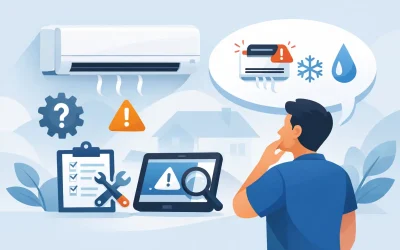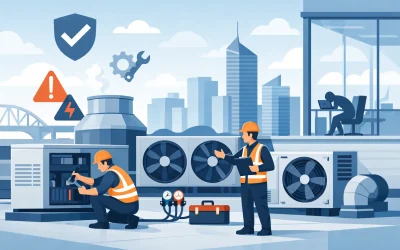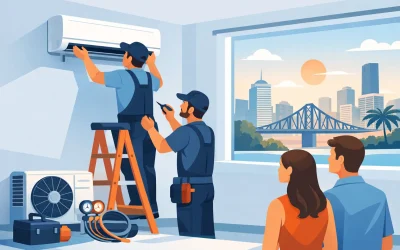
If your HVAC system still gets judged only on temperature, you are already behind. The biggest air purification HVAC trends are shifting the conversation from simple heating and cooling to indoor air quality, system hygiene, occupant wellbeing and smarter maintenance decisions.
For Brisbane homeowners, that means cleaner air without taking a hit on comfort or running costs. For facility managers and business operators, it means balancing filtration, fresh air, compliance, energy use and uptime in a way that works in the real world. Not every trend is worth following, but a few are changing what customers should reasonably expect from a modern HVAC setup.
Why air purification HVAC trends are getting more attention
The demand is coming from a few directions at once. Occupants are more aware of airborne dust, allergens, odours and pathogens than they were a few years ago. At the same time, building operators are under pressure to improve indoor environments without blowing out energy bills or creating extra maintenance headaches.
That matters because air purification is not one product and one outcome. It sits across filters, outside air strategies, UV treatment, humidity control, system cleanliness and how well the whole HVAC system is maintained. A good result depends on how those parts work together, not on marketing claims printed on a box.
In Queensland conditions, this gets even more practical. Heat, humidity, storm season, pollen and dust all put pressure on air conditioning systems. If a system is dirty, poorly sized or overdue for service, adding an air purification device on top will not fix the underlying issue.
Better filtration is becoming standard, not premium
One of the clearest shifts is the move towards higher-performance filtration. Residential customers are asking more questions about fine particle capture, while commercial sites are reviewing whether their current filters are actually suited to occupancy levels and the environment.
That does not always mean the highest-rated filter is the best choice. Filters with tighter media can improve particle capture, but they also increase resistance to airflow. If the system is not designed or adjusted for that extra pressure drop, performance can suffer. You can end up with reduced airflow, higher energy use and more strain on components.
The better approach is matching filtration to the system and the space. In a family home, the right filter setup may help with dust and allergens without compromising comfort. In a school, aged care facility or hospitality venue, filtration decisions need to account for occupancy, operating hours and maintenance access. The trend is not just better filters. It is smarter filter selection.
UV-C and in-duct purification are being used more selectively
UV-C has moved from niche add-on to mainstream discussion, especially in commercial environments. It is commonly used to target microbial growth on coils and within air handling sections, where moisture can create the right conditions for biofilm and contamination.
That has real benefits when applied correctly. Cleaner coils can support better heat exchange, help control odours and reduce build-up that affects efficiency. In some applications, UV treatment can also support broader indoor air quality goals.
But this is where the trade-offs matter. UV-C is not a magic fix for every building, and product quality varies. Placement, exposure time, shielding and safety all need to be right. For some properties, especially smaller residential setups, regular cleaning and proper filtration may deliver better value than adding UV hardware. For larger systems or sites with higher hygiene expectations, UV can make a lot more sense.
Air quality monitoring is driving better decisions
Another major shift is the use of indoor air quality monitoring to guide HVAC operation and maintenance. Instead of guessing whether a space feels stuffy or assuming a system is performing well, building managers can look at live or recorded data such as particulate levels, CO2, temperature and humidity.
This trend matters because it changes maintenance from reactive to informed. If CO2 levels consistently climb in a meeting room or classroom, that points to a ventilation issue. If humidity keeps drifting too high, there may be a control problem or a system capacity issue. If particle levels spike after certain operating hours, filtration or cleaning routines may need review.
For commercial clients, monitoring helps justify upgrades and service decisions. For homeowners, the same principle applies on a smaller scale. Data can confirm whether an air purification add-on is actually improving the indoor environment or whether the real problem sits elsewhere in the system.
Ventilation is being looked at alongside purification
One of the more useful air purification HVAC trends is that fresh air and purification are no longer being treated as separate conversations. Good indoor air quality is not just about trapping particles. It is also about bringing in enough outside air, controlling stale air and maintaining stable indoor conditions.
That balancing act can be tricky in Brisbane. Bringing in more outside air may help dilute indoor contaminants, but it can also add heat and humidity loads that the system then needs to manage. If the HVAC design or controls are not up to it, comfort and efficiency can drop quickly.
This is why ventilation upgrades need proper assessment. In some buildings, increased outside air is the right move. In others, improving filtration, repairing controls, cleaning components or addressing zoning issues may deliver a better result without adding unnecessary operating cost. The trend is towards whole-system thinking, which is a good thing.
Hygiene cleaning is moving from optional to expected
Customers are getting less tolerant of dirty systems, and rightly so. Dust build-up, mould growth, blocked drains and dirty coils do more than look bad. They can affect air quality, reduce efficiency and increase the risk of breakdowns.
That is why hygiene cleaning is becoming a bigger part of the air purification conversation. A well-maintained system has a better chance of delivering cleaner air because the components moving and conditioning that air are actually clean. This sounds basic, but it gets overlooked all the time.
For commercial operators, especially in high-occupancy settings, this is not just about presentation. It is about reliability, odour control, occupant confidence and reducing avoidable faults. For homeowners, regular servicing and cleaning often solve comfort and air quality complaints that people initially assume require a new unit or add-on purifier.
Smarter controls are helping systems do more with less
Purification is no longer just mechanical. Controls are now a bigger part of the picture, especially in commercial systems and higher-end residential installs. Smarter controls can adjust fan speeds, ventilation rates and operating schedules based on occupancy or indoor air quality readings.
That matters because running everything flat out all day is rarely the best answer. It can waste energy and increase wear without delivering a noticeably better result. Better controls allow systems to respond to real demand, which helps balance air quality, comfort and operating costs.
Of course, controls are only as good as the setup behind them. If the system is poorly commissioned or the sensors are unreliable, the result can be more complicated than helpful. The trend is promising, but it still needs proper design and ongoing support.
What property owners should watch before upgrading
The strongest trend in the market is not a single technology. It is a shift towards tailored solutions. A homeowner with asthma concerns, a childcare centre managing occupancy, and a commercial office trying to reduce downtime will not need the same purification strategy.
Before spending money, it helps to ask a few practical questions. What problem are you actually trying to solve – dust, odours, allergens, humidity, hygiene, compliance or poor ventilation? Is the existing system clean and operating properly? Will an upgrade affect airflow, energy use or maintenance requirements? And can the system support the proposed change without creating another issue somewhere else?
That is where an experienced HVAC specialist earns their keep. The best advice is usually not the flashiest option. It is the one that fits the site, the system and the people using the space.
In Brisbane and surrounding areas, where systems work hard for long stretches of the year, good air quality starts with good mechanical performance. Purification technologies can absolutely help, but only when they are backed by correct sizing, clean components, proper airflow and reliable servicing. That is the difference between a trend that sounds good and an upgrade that actually delivers.
The next few years will bring more products, more claims and more pressure to improve indoor environments. The smart move is to keep it practical – know what the building needs, fix what is holding the system back, and choose upgrades that make sense for how the space is really used.