A failed air conditioner at 2 pm on a humid Brisbane afternoon is more than an inconvenience. It can mean uncomfortable staff, unhappy customers, disrupted tenants and a business scrambling for an urgent repair. So, do commercial systems need servicing? Yes. Planned servicing is one of the most practical ways to protect HVAC performance, control operating costs and reduce the chance of an avoidable breakdown.
Commercial air conditioning systems work harder than most people realise. They may run across long trading hours, serve different temperature zones, manage ventilation and humidity, and carry a substantial load through Queensland summers. Leaving that equipment until something goes wrong is rarely the cheaper option.
Why commercial systems need servicing
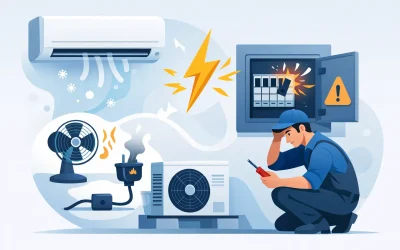
A commercial HVAC system is a collection of moving parts, electrical components, coils, drains, filters and controls. Each has a direct effect on how efficiently the system cools, heats and ventilates a building. Dust buildup, loose electrical connections, blocked condensate drains or worn parts can turn a small issue into poor performance or a full shutdown.
Regular servicing allows a technician to identify these issues while they are still manageable. That can mean cleaning a coil before it restricts airflow, replacing a failing component before it causes a shutdown, or correcting a control fault that is sending energy use higher than it should be.
For facility managers and business operators, the real benefit is predictability. Maintenance helps make system performance more consistent, supports budgeting and reduces the risk of calling for emergency repairs when the building is busiest.
Comfort affects more than temperature
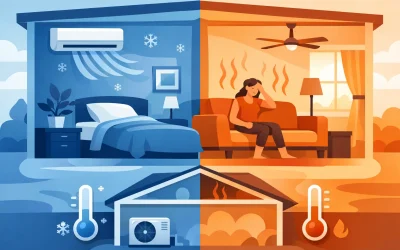
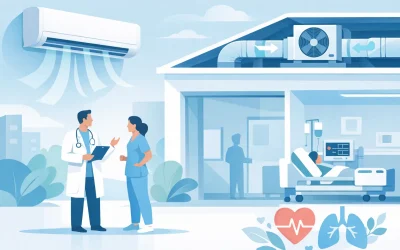
In offices, retail spaces, schools, hospitality venues and aged care settings, indoor comfort has a direct impact on people. A system that cannot hold temperature, cycles on and off constantly, or produces uneven airflow can quickly create complaints.
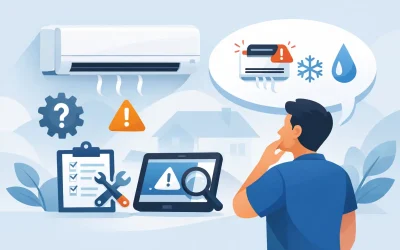
It is not always obvious that servicing is needed. Air conditioning may still be running, but rooms take longer to cool, some areas feel stuffy, or staff start adjusting thermostats to compensate. These are often early signs that filters, airflow, refrigerant operation or controls need attention.
A properly serviced system also supports indoor air quality. Clean filters, drain trays and coils help reduce dust, odours and moisture-related issues. This matters particularly in buildings with high occupancy or people who may be more sensitive to poor air quality.
The cost of skipping HVAC maintenance
Skipping a scheduled service can appear to save money in the short term. The trade-off is that problems have more time to develop, and breakdowns tend to occur when a system is under the greatest load.
A neglected filter can restrict airflow and force equipment to work harder. Dirty coils reduce heat transfer. A blocked drain can lead to water leaks and property damage. Minor electrical wear can become a fault that takes an entire unit offline. None of these issues are unusual, but they become more expensive when left unattended.
Energy use is another major consideration. Commercial HVAC is often one of a building’s largest electricity expenses. When systems are dirty, poorly calibrated or operating with a developing fault, they can consume more power to deliver less comfort. Servicing will not fix every high energy bill, especially where the system is undersized or nearing the end of its useful life, but it is the right place to start.
There is also the disruption cost. A breakdown may require temporary measures, after-hours attendance, interrupted trade or rescheduling for tenants and staff. Planned maintenance gives businesses more control over when work happens.
How often should commercial air conditioning be serviced?
There is no single interval that suits every commercial property. The right schedule depends on the system type, age, operating hours, building use, environment and manufacturer requirements.
As a practical guide, many commercial systems benefit from professional servicing at least twice a year, ideally before the peak cooling season and again after periods of heavy use. Systems operating for extended hours, such as those in hospitality, healthcare, education or high-occupancy sites, may need more frequent attention. Equipment exposed to dust, grease, traffic pollution or coastal air can also require a tighter maintenance program.
A simple split system in a small office has different needs from a multi-storey VRV or VRF installation, ducted system, central plant or complex ventilation setup. That is why a site-specific maintenance plan is more useful than a generic annual check.
What a proper commercial service should cover
Commercial servicing should be more than a quick filter clean and a look over the outdoor unit. The scope needs to match the equipment and the site’s operational needs.
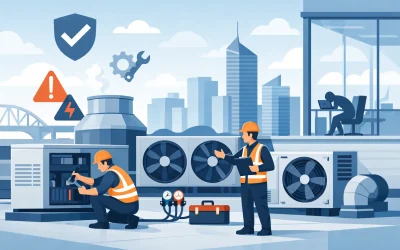
A thorough visit commonly includes inspection of filters, coils, fans, drains, electrical components, refrigerant operation, airflow, safety controls and thermostat or building control settings. Technicians should also check for unusual noise, vibration, leaks, corrosion and signs of component wear.
For larger sites, maintenance may also involve documenting asset condition, recording faults, tracking recurring issues and prioritising repairs or upgrades. This gives property owners and facility managers a clearer picture of what they own, what is performing well and where future spending may be required.
Hygiene cleaning may be appropriate where there is visible contamination, odour, mould risk or poor indoor air quality. It is not a substitute for mechanical maintenance, but it can be an important part of protecting the condition of air handling equipment and occupied spaces.
Maintenance is not the same as repair
Servicing is preventative. Its purpose is to inspect, clean, test and correct minor issues before they become failures. Repairs are reactive work required when something has already failed or is no longer operating correctly.
Both are necessary at different times, but relying entirely on repairs is usually the more disruptive approach. A maintenance program does not guarantee that no component will ever fail. It does, however, reduce the likelihood of avoidable faults and gives you earlier warning when equipment is nearing a decision point.
When servicing reveals a bigger issue
Sometimes a service visit shows that the problem is not maintenance alone. An older system may be undersized for the current building layout, running obsolete components, suffering repeated failures or using more energy than its output justifies.
In those cases, continuing to spend on repairs may not be the best long-term decision. A technician can assess whether targeted repairs, a system restoration, control changes or an upgrade will provide better value. The right answer depends on the condition of the equipment, the cost of downtime, lease arrangements and the building’s future plans.
This is where an asset-focused approach helps. Rather than replacing equipment simply because it is old, or repairing it indefinitely because replacement feels costly, owners can make a decision based on condition, performance and total operating cost.
Signs your commercial system is overdue
If tenants or staff regularly complain about hot or cold areas, the system deserves attention. Other warning signs include rising electricity bills, weak airflow, unusual smells or noises, water leaks, frequent thermostat adjustments, short cycling and repeated callouts for the same fault.
Do not wait for all of these signs to appear. A service history that is unclear, irregular or more than a year old is enough reason to arrange an inspection, particularly before summer.
For Brisbane businesses, planned servicing is also an opportunity to schedule work around operating hours where possible. Big Dog Mechanical can tailor maintenance around the equipment, site access and practical needs of the business, rather than treating every system the same.
A practical approach to commercial HVAC care
Start by identifying every air conditioning and ventilation asset on site, including units that may be easy to forget such as back-of-house systems, server room units and supplementary split systems. From there, set a service frequency based on use and risk, keep records of findings and act on priority repairs before they escalate.
The best maintenance plan is not necessarily the most frequent one. It is the one that reflects how your building operates and gives you clear visibility over equipment condition, cost and risk. A commercial system that is cared for consistently is far more likely to be ready when your people, customers and tenants need it most.