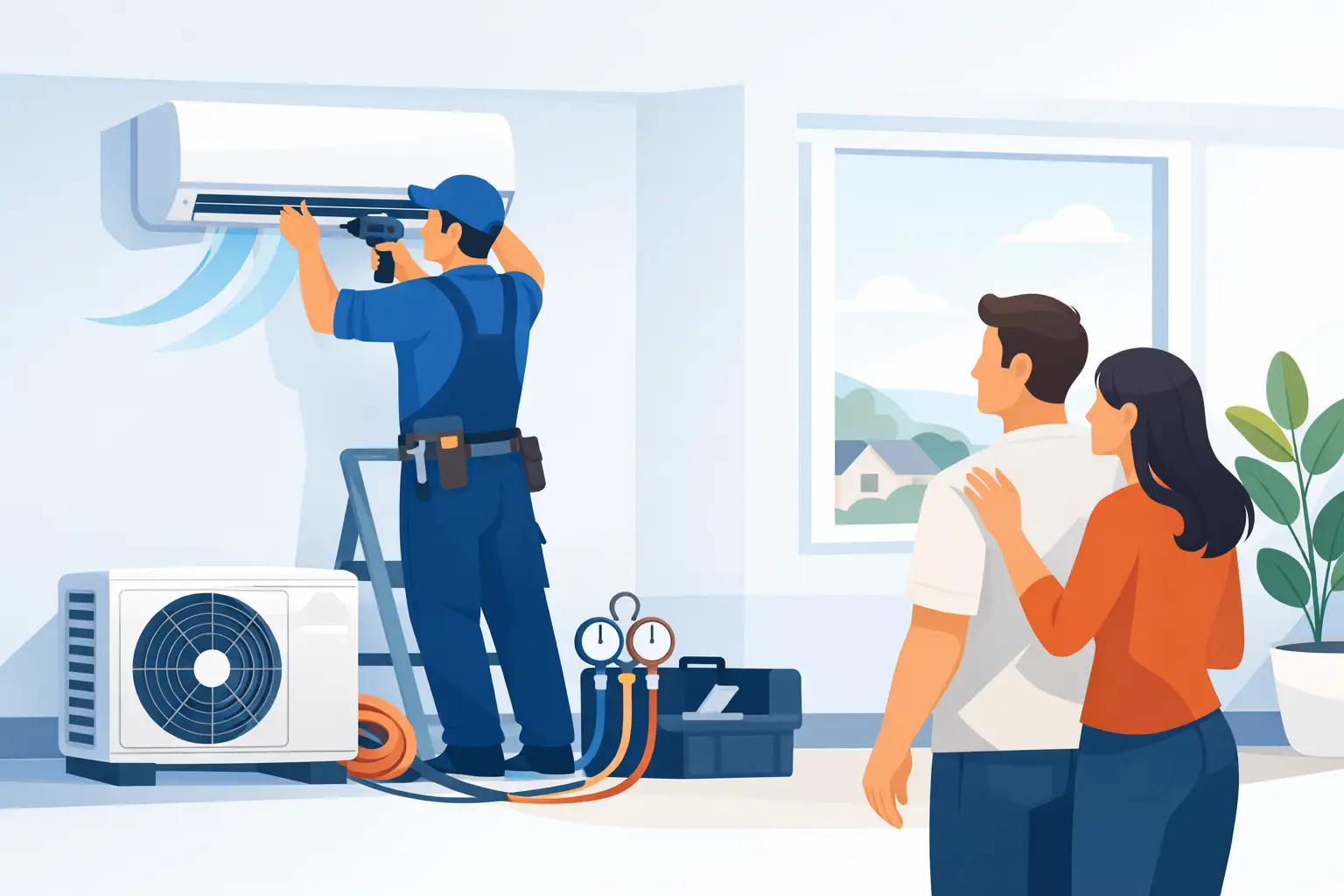
A poorly chosen air conditioner shows itself quickly in a Queensland summer. Some rooms stay warm, the outdoor unit runs flat out, power bills climb, and the system never quite feels like it is keeping up. An Alderley aircon installation service should do more than fit a unit to a wall. It should match the system to the property, install it properly, and leave you with reliable comfort when you need it most.
For homeowners, that means clear advice and clean workmanship. For business owners and facility managers, it means protecting operations, managing energy use and avoiding breakdowns during trading hours. The right installation gets these basics right from day one.
Start with the right air conditioning system
Air conditioning is not a one-size-fits-all purchase. The best option depends on the size and layout of the space, how it is used, sun exposure, insulation, the number of occupants and the equipment producing heat inside. A system that looks adequate on paper can struggle if these factors have been overlooked.
A split system is often a practical choice for a bedroom, living area, small office or individual treatment room. It offers targeted cooling and heating without the cost or disruption of ductwork. Multi-head systems can work well where several rooms need independent indoor units connected to one outdoor unit, although the installation design needs careful planning.
Ducted air conditioning suits homes and workplaces where whole-of-property comfort matters. It can provide a neat finish and zone control, allowing you to condition occupied areas without running every room. The trade-off is a higher upfront investment and the need for enough roof space, appropriate duct design and access for future servicing.
For larger commercial sites, VRV/VRF systems and central plant arrangements may be the better fit. These systems offer flexible control across multiple spaces, but they require experienced mechanical technicians who understand commissioning, controls, refrigerant pipework and ongoing maintenance requirements.
Size matters, but bigger is not always better
An oversized unit can cool a room too quickly without managing humidity properly. It may cycle on and off more often, waste energy and leave the space feeling clammy. An undersized unit has the opposite problem: it works hard for long periods, struggles in peak heat and can wear out sooner.
A proper assessment considers more than square metres. Ceiling height, west-facing glass, roof insulation, open-plan layouts and kitchen heat loads all change the calculation. In commercial settings, occupancy levels, server equipment, lighting and operating hours also matter. This is why a site inspection is worth more than a quick guess based on room dimensions alone.
What a quality Alderley aircon installation service includes
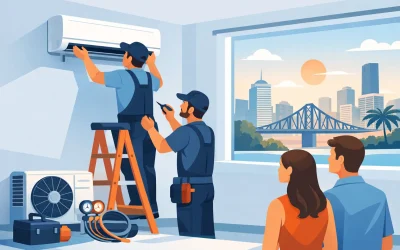
A reliable installation follows a clear process. Before work starts, the installer should confirm the system type, capacity, unit positions, electrical requirements and drainage route. You should know where the indoor and outdoor units will sit, how pipework and cabling will be run, and what the finished result will look like.
Indoor unit placement affects comfort as much as system capacity. A wall-mounted split system needs clear airflow across the room, without blasting directly onto a bed, desk or dining table. It also needs to be positioned where filters can be safely accessed for cleaning. In ducted systems, outlet and return-air grille locations need to work with the room layout rather than fighting it.
Outdoor units need enough clearance to reject heat efficiently and allow technicians to service them. Tucking a condenser into a tight, unventilated corner may look tidy, but it can reduce performance and make repairs harder. Noise, drainage, neighbour proximity and access should all be considered before the brackets or slab go in.
The installation itself should include secure mounting, correctly insulated refrigerant pipework, safe electrical connections, properly graded condensate drainage and weatherproofing where required. It should also be carried out by appropriately licensed professionals. These details are not extras. They are what protect performance, efficiency and system life.
Commissioning is where the job is proven
Fitting the equipment is only part of the work. Commissioning confirms that the system operates as intended once it is installed. This usually involves checking refrigerant pressures, airflow, temperature performance, drainage, controls and electrical operation.
For a homeowner, the handover should be straightforward. You should understand how to use the controller, set practical temperatures, clean the filters and recognise when servicing is due. For a commercial client, commissioning may also involve checking zoning, controller settings, fault reporting and operating schedules.
A unit that turns on is not necessarily a unit that has been properly commissioned. That distinction matters when the first hot spell arrives.
Plan for efficiency before the installation begins
The cheapest system to buy is not always the cheapest one to own. Energy efficiency comes from selecting suitable equipment, sizing it correctly and designing the installation around how the space is actually used.
If only a few rooms are occupied during the day, zoning or separate split systems may reduce unnecessary running costs. If a home has a large open living area used most evenings, a well-sized system with sensible airflow may be a better investment than several smaller units. The right answer depends on the property and habits of the people using it.
Simple building improvements also help. Closing gaps around doors, using window coverings on hot western aspects and maintaining insulation can reduce the load on the air conditioner. In a commercial property, reviewing run times and temperature settings can make a noticeable difference to operating costs without compromising comfort.
There is no benefit in setting the temperature extremely low in an effort to cool faster. The system will not deliver cold air more quickly, but it will run longer trying to reach an unnecessarily demanding setpoint. A moderate setting, generally around 23 to 25 degrees in cooling mode, is often more comfortable and more economical.
Installation choices that prevent future callouts
Good installation decisions pay off when it is time to service, repair or upgrade the system. A unit may be out of sight, but it should never be impossible to reach. Restricted roof access, blocked outdoor units and poorly routed pipework can turn routine maintenance into a larger job.
Drainage is another common source of avoidable trouble. Condensate needs a reliable route away from the unit, with the correct fall and no opportunity for water to back up. A badly installed drain can lead to leaks, ceiling damage, mould concerns and an inconvenient breakdown.
For commercial sites, future access and asset visibility should be part of the conversation. Clear system identification, service records and scheduled maintenance make it easier to manage multiple units across an office, school, hospitality venue or care environment. It reduces surprises and helps facility managers budget for replacement before an ageing system fails at the worst time.
Big Dog Mechanical approaches installation with this long-term view. The aim is not simply to get cool air moving on the day. It is to provide a system that can be maintained properly, operate efficiently and support the way the property is used.
When to replace rather than repair
Not every existing air conditioner needs replacing. A relatively new unit with a minor electrical fault, blocked drain or worn component may be well worth repairing. Regular servicing can also restore performance where dirty coils and filters are restricting airflow.
Replacement becomes more sensible when breakdowns are frequent, parts are difficult to source, energy use has increased or the system no longer meets the demands of the space. Older equipment may also use refrigerants that are less practical to manage over the long term. A new installation is an opportunity to correct poor sizing, improve zoning and address comfort issues that have existed since the original system was fitted.
Before deciding, consider repair cost, remaining service life, current performance and what a more efficient replacement could save over time. The best choice is not always the lowest immediate cost. It is the option that gives the property dependable cooling and heating without repeated disruption.
A practical way to prepare for installation
Before your installer arrives, make sure the proposed work areas are accessible and remove fragile items from beneath indoor unit locations. If the work involves roof access, let the team know about any known access restrictions, solar equipment or recent building changes. For commercial properties, coordinate access around customers, staff, noise-sensitive areas and essential operations.
It also helps to raise concerns early. If you are worried about outdoor-unit noise, have a particular room that never cools properly, or need to avoid interrupting business hours, say so before the final design is confirmed. Clear information allows the installation to be tailored properly rather than adjusted after the fact.
A well-installed air conditioner should fade into the background: comfortable rooms, sensible running costs and a system that responds when the weather turns. That is the standard worth asking for before the first bracket goes on the wall.