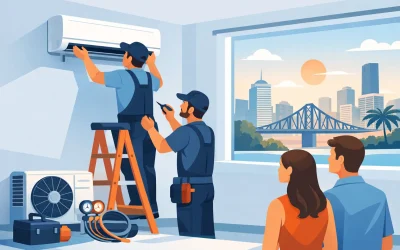
A failed air conditioner at 2 pm on a humid Brisbane afternoon is not a minor inconvenience. For a café, school, medical practice, office, warehouse or aged-care facility, it can affect staff wellbeing, customer experience, equipment performance and the ability to keep trading. Commercial HVAC maintenance Brisbane businesses can rely on is about preventing that pressure point before it becomes an urgent callout.
Planned maintenance gives facility managers and business owners a clear view of system condition, likely risks and upcoming work. Rather than waiting for comfort complaints, water leaks or a complete shutdown, you can make practical decisions around servicing, repairs and upgrades on your terms.
Why commercial HVAC maintenance matters in Brisbane
Brisbane systems work hard. Long cooling seasons, high humidity, storm activity and airborne dust all place extra load on air conditioning equipment. Condensate drains can block, filters become clogged sooner, outdoor coils collect debris and electrical components can deteriorate without obvious warning.
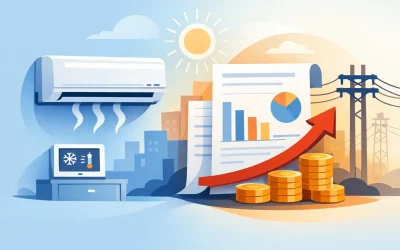
When this is left unchecked, a system often keeps operating – just not efficiently. It may take longer to cool a space, run more frequently, struggle with humidity or create uneven temperatures between rooms. Those issues increase electricity use and wear on key components, particularly compressors, fans and controls.
For commercial sites, the cost of neglect is rarely limited to one repair invoice. A breakdown can interrupt tenants, customers, students, patients or residents. It can also force staff into a rushed decision when replacement parts are needed or a system has reached the end of its useful life.
A maintenance programme is designed to reduce those surprises. It does not mean every fault can be eliminated, because equipment can fail without warning. It does mean developing an accurate picture of the plant, finding issues early and acting before a small fault becomes a major disruption.
What a proper commercial maintenance visit should cover
Commercial air conditioning is not a one-size-fits-all job. A small office with split systems needs a different approach from a retail tenancy with ducted units, a school with multiple zones or a building running VRV, VRF or central plant equipment.
The first step is understanding what is on site, where it serves and how critical each unit is to daily operations. An asset audit can identify model details, age, condition, location and maintenance history. This is especially valuable for multi-site businesses and properties where equipment records are incomplete.
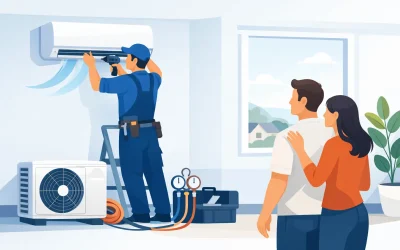
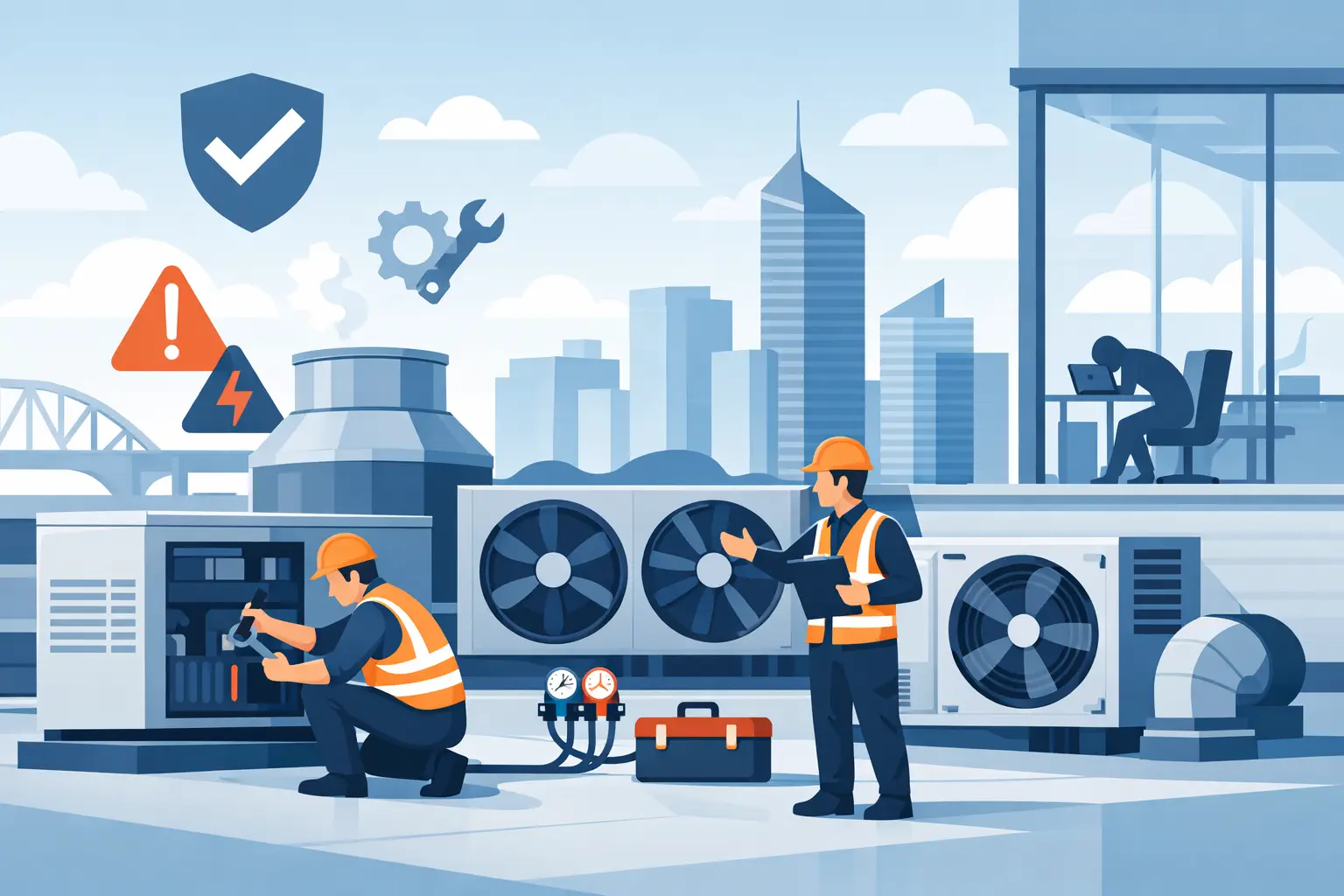
During scheduled servicing, a technician should assess the parts that influence performance, safety and reliability. That commonly includes filters, coils, drain trays and drains, fan operation, belts where fitted, electrical connections, refrigerant performance, controllers and outdoor units. The work should also consider air flow, temperature delivery and signs of excessive cycling or unusual noise.
Hygiene cleaning deserves particular attention in Brisbane’s climate. Moisture and organic build-up around indoor units, coil surfaces and drainage components can lead to odours, poor air quality and drainage problems. Cleaning is not simply a cosmetic extra. Done correctly, it supports airflow, helps control moisture and keeps units operating as intended.
The outcome should be clear, not buried in technical jargon. A useful service report records what was checked, what was completed, any faults found, the priority of recommended work and the next maintenance due date. That gives managers a practical record for budgeting and decision-making.
Maintenance is different from a reactive repair
A repair gets a failed system working again. Maintenance is the planned work that helps reduce the chance of that failure occurring in the first place. Both are necessary, but relying only on reactive repairs usually means greater downtime, less control over costs and more pressure on staff when something goes wrong.
There is also a middle ground. A technician may identify a worn component that is still functioning but likely to fail soon. Replacing it during a planned visit may be sensible where downtime would be costly. In other cases, monitoring it and budgeting for a future repair is the better commercial decision. The right option depends on the equipment’s age, criticality and the availability of backup cooling.
How often should a commercial system be serviced?
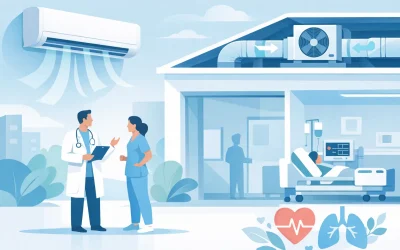
There is no single interval that suits every property. Usage, occupancy, environment and system type all matter. A lightly used office system may only need periodic scheduled servicing, while hospitality venues, medical settings, education facilities and high-occupancy sites may need more frequent attention.
Systems exposed to grease, dust, salt air, construction activity or heavy humidity often require a tighter schedule. So do units that operate for extended hours, serve server rooms or support areas where stable temperature is essential.
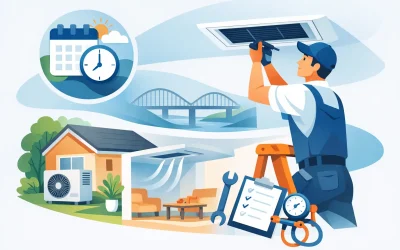
A sensible plan sets service intervals around actual operating conditions rather than an arbitrary calendar date. It should also allow for seasonal checks before peak cooling demand. Finding a failing capacitor, blocked drain or dirty coil before summer is far easier than dealing with a shutdown during a heatwave.
The warning signs worth acting on early
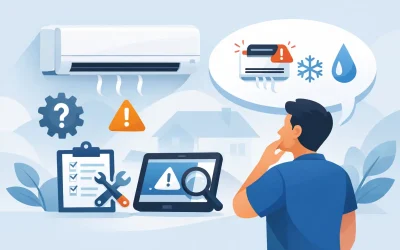
Your system does not need to stop completely before it needs attention. Rising power bills, hot and cold spots, reduced airflow, persistent odours, water around indoor units and repeated controller alarms are all reasons to arrange an inspection.
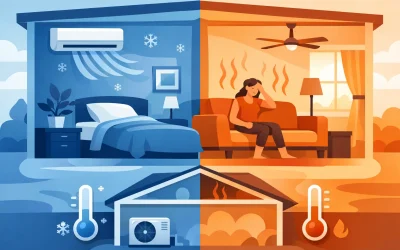
Listen to staff and tenants as well. Complaints that a meeting room is always stuffy, one part of the building never cools properly or the unit is unusually noisy can reveal a developing issue. These reports are useful operational information, not just comfort complaints.
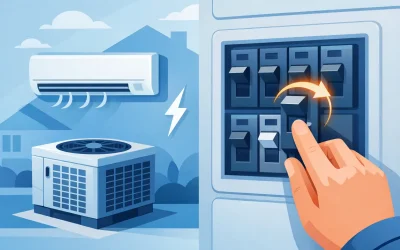
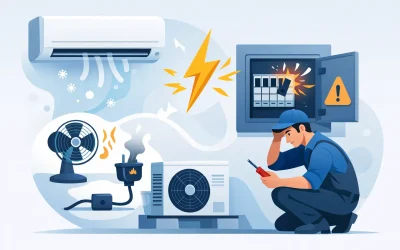
If a unit trips electrical protection, leaks heavily, produces a burning smell or stops cooling during business hours, it needs prompt professional assessment. Continuing to reset or run a faulty system can create more damage and potentially affect safety.
Maintenance supports operating costs and asset life
Energy efficiency is often discussed as a replacement issue, but maintenance has a direct role. Restricted airflow, dirty heat-transfer surfaces, failing fans and poorly operating controls all make a system work harder to deliver the same result.
Regular servicing will not turn outdated equipment into a high-efficiency modern system. It can, however, help existing plant run closer to its intended performance and identify when ongoing repairs no longer make financial sense.
That distinction matters when planning capital expenditure. A well-maintained unit with a minor, repairable issue may have years of useful service left. An older system with recurring faults, poor comfort control and high energy use may be a better candidate for staged replacement or an upgrade. A clear maintenance history makes that call easier to justify.
Compliance, records and site responsibility
For commercial property managers and business operators, maintenance records are more than paperwork. They help demonstrate that plant has been inspected, identified issues have been communicated and required work has been managed responsibly.
The exact compliance obligations vary by building, equipment type and industry. Aged care, education, health-related environments and food businesses may have particular operational requirements, while landlords and tenants may also have different responsibilities under their lease. A capable HVAC contractor can provide service documentation that helps support your internal processes, but site managers should remain clear on the requirements that apply to their operation.
Good records also prevent information being lost when staff change. Instead of starting from scratch at every callout, technicians can see previous faults, parts replaced, recurring issues and the equipment’s wider history.
Choosing the right commercial HVAC partner
Commercial maintenance works best as an ongoing relationship, not a series of disconnected visits. You need a contractor that can service the equipment already installed, explain issues plainly and respond quickly when an urgent fault does occur.
Look for technical breadth across split systems, ducted equipment, VRV and VRF systems, and central plant where relevant to your site. Just as importantly, look for a practical approach to reporting and recommendations. The aim is not to replace equipment unnecessarily. It is to give you an honest assessment of risk, cost and the options available.
Big Dog Mechanical provides tailored maintenance, asset audits, hygiene cleaning, repairs and upgrade support for Brisbane commercial sites. The focus is straightforward: keep your air conditioning reliable, efficient and ready for the conditions your business actually faces.
The best time to organise maintenance is while the system is still doing its job. A planned inspection now can protect comfort, reduce avoidable callouts and give your business time to act before the next hot, humid day puts every weak point under pressure.