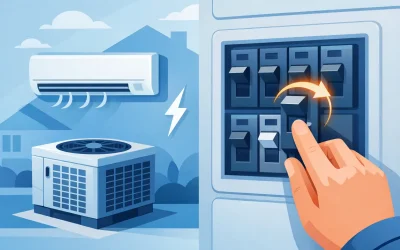
A new air conditioner can look like a straightforward purchase until Brisbane’s first proper heatwave puts it to work. If the system is undersized, poorly located or installed without attention to drainage and electrical load, the result is higher power bills, uneven temperatures and avoidable callouts. The right Brisbane aircon installers do more than mount a unit on the wall. They assess how the space is used, recommend a suitable system and install it for reliable performance over the long term.
For homeowners, that means dependable comfort through humid summer nights and warm bedrooms at the far end of the house. For facility managers and business operators, it means protecting staff, customers, stock and operations from the disruption of an HVAC failure.
What Brisbane aircon installers should assess first
The brand of air conditioner matters, but the site assessment matters just as much. A quality installer starts by looking beyond the room dimensions. Ceiling height, insulation, window orientation, glazing, heat-producing equipment, occupancy and how often doors open can all change the capacity a system needs.
A west-facing living area with large glass doors has a very different cooling load from a shaded bedroom of the same size. Likewise, a busy hospitality venue, classroom or aged care facility cannot be assessed like a standard office. If an installer recommends a unit size without asking practical questions about the space, it is worth slowing the process down.
Correct sizing is not simply about buying the largest unit available. An undersized system may run continuously without reaching the set temperature. An oversized system can cool a smaller room too quickly, cycle on and off more often, and struggle to manage humidity effectively. The aim is stable, efficient comfort rather than a blast of cold air followed by constant cycling.
The assessment should also cover outdoor-unit location, access for future servicing, condensate drainage, pipe runs, electrical requirements and noise. These details affect the finished result. A neat installation with sensible access is easier to maintain, less intrusive and less likely to cause problems later.
Choose the system around the property, not the brochure
There is no single best air conditioning setup for every Brisbane property. The right choice depends on the layout, budget, usage patterns and whether the building needs individual room control or whole-property coverage.
Split systems for targeted comfort
A split system is often the practical answer for a bedroom, apartment, home office, shopfront or single living area. It provides efficient cooling and heating for a defined zone, with a relatively simple installation where access and electrical capacity are suitable.
For households wanting to cool only the rooms they use most, multiple split systems can be a sensible alternative to ducting. The trade-off is that each indoor unit is visible, and several units may be needed to cover a larger home. Placement is critical too. A unit positioned directly above a bed, dining table or workstation may technically cool the room but create an uncomfortable draught.
Ducted air conditioning for whole-home control
Ducted systems suit homes where consistent comfort across several rooms is the priority. Zoning can allow different areas to be controlled separately, helping reduce energy use when parts of the house are empty. It is particularly useful for larger homes, renovations and properties where wall-mounted units are not desirable.
Ducted installation requires more planning. Roof space, ceiling construction, duct routes, return-air positioning and outdoor-unit location all need consideration. It can cost more upfront than a single split system, but the convenience and coverage may justify it for the right property.
Commercial HVAC for operational reliability
Commercial properties often require a more detailed approach. VRV/VRF systems, packaged units, ducted systems and central plant equipment must be selected around occupancy, operating hours, ventilation needs and the critical nature of the environment.
A restaurant with a hot kitchen, an education site with full classrooms, or an aged care setting with vulnerable residents cannot afford a design based on guesswork. Capacity, zoning, outside-air requirements, controls and service access should support the way the site actually operates. The cheapest installation price can become expensive quickly if it creates comfort complaints, excessive energy consumption or repeated downtime.
Installation quality shows up after the job is finished
Most air conditioners work when they are first switched on. The difference between a basic fit-off and a professional installation becomes clearer over the following summers.
Refrigerant pipework needs to be correctly sized, routed and insulated. Electrical connections must be safe and compliant. Condensate needs a reliable path away from the building, especially in Brisbane’s humid conditions where systems produce substantial moisture. Poor drainage can lead to ceiling stains, water damage, mould concerns and costly rectification.
Outdoor units need adequate airflow and a stable base. Boxing a condenser into a tight, hot corner may keep it out of sight, but it can reduce efficiency and make servicing difficult. In apartments and compact properties, noise, strata requirements and limited access can add another layer of planning.
Clean workmanship matters as well. Pipe covers, neat cable runs, sealed wall penetrations and a tidy work area are not cosmetic extras. They protect the installation, reduce exposure to weather and pests, and make the system easier to inspect in future.
Questions worth asking before you approve a quote
A clear quote should explain what is being supplied and what work is included. You should know the proposed system capacity, the indoor and outdoor unit locations, whether electrical work is included, and how condensate drainage will be handled.
It is also reasonable to ask about warranty support, maintenance requirements and likely access needs for future servicing. A reputable contractor will be direct about constraints. For example, a longer pipe run, difficult roof access or a switchboard upgrade may add cost, but ignoring those requirements is not a saving.
For commercial work, ask how installation will be staged around business hours, customer access, safety requirements and continuity of operations. A capable mechanical contractor should be able to coordinate the work with minimal disruption, rather than treating an occupied site like an empty shell.
Licensing and insurance are equally important. Air conditioning work can involve electrical systems, refrigerant handling and structural penetrations, so it should be carried out by appropriately qualified professionals. Do not rely on a vague verbal scope when the work involves a significant investment in your home or facility.
Plan for servicing before the system needs a repair
Installation is the start of the system’s working life, not the end of the job. Filters need cleaning, coils need checking, drains need clearing and electrical components need inspection. Without regular servicing, an otherwise good system can lose efficiency, develop odours, leak water or fail when demand is highest.
For a residential split system, the right interval depends on use, household conditions and the environment. A system used daily, exposed to dust, pets or nearby construction activity will usually need more attention than one used occasionally. Commercial sites benefit from preventative maintenance schedules built around equipment criticality and operating demands.
Maintenance also creates a clearer picture of asset condition. For businesses managing multiple systems, asset audits and planned upgrades can prevent the scramble that follows an unexpected failure. Replacing an ageing unit at a planned time is usually easier than making a rushed decision during a breakdown in peak summer.
A local installer should be ready for the real conditions
Brisbane’s climate puts air conditioning equipment under sustained pressure. Long cooling seasons, humidity, storms and high summer temperatures all make proper design, installation and maintenance worthwhile. Local experience helps when selecting locations that avoid excessive sun exposure, planning drainage for heavy rain and recognising the demands of older homes, newer estates and commercial buildings.
Big Dog Mechanical provides residential and commercial air conditioning support across Brisbane and surrounding areas, from tailored installations to servicing, upgrades and urgent repairs. The focus should always be on a system that suits the property and keeps working when it is needed most.
Before committing to an installation, take the time to have the space properly assessed and the scope clearly explained. A well-chosen, well-installed air conditioner is quieter, more efficient and far less likely to let you down on the hottest day of the year.