A packed lunch service, a full waiting room, a school in summer, or a tenant calling about hot offices – this is when HVAC problems stop being a maintenance issue and start becoming an operational one. That is exactly why people ask, how do preventative maintenance programs help operators? The short answer is simple: they help you stay ahead of breakdowns, manage costs, and keep your building working the way it should.
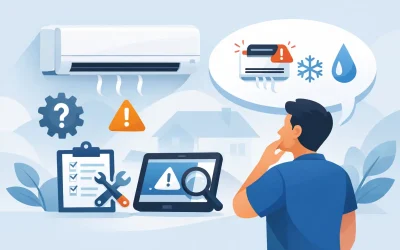
For operators, whether you run a commercial site or manage a residential portfolio, reactive repairs are usually the most expensive way to look after air conditioning. You are dealing with faults after comfort drops, complaints rise, or equipment has already been pushed too far. Preventative maintenance changes that pattern. It gives you a scheduled, practical way to pick up wear, contamination, inefficiencies, and compliance issues before they turn into bigger jobs.
How do preventative maintenance programs help operators day to day?
The biggest benefit is control. Instead of waiting for a unit to fail on the hottest week of the year, you have a maintenance plan built around inspection, servicing, cleaning, testing, and early fault detection. That means fewer surprises and better planning.
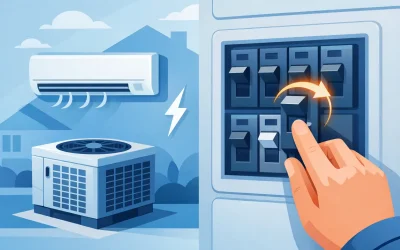
On a day-to-day level, operators benefit because systems run more consistently. Filters stay cleaner, coils are checked, drains are cleared, moving parts are inspected, and refrigerant issues can be identified early. None of that is flashy, but it is what keeps air conditioning stable through heavy use.
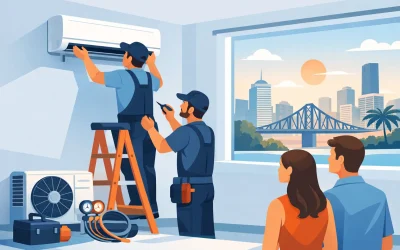
For commercial operators, this can mean fewer tenant complaints, less disruption to staff, and lower risk of emergency callouts during business hours. For homeowners, it often means avoiding the all-too-common situation where the system seems fine until the first real heatwave hits Brisbane and the unit suddenly struggles.
Reduced downtime matters more than most people realise
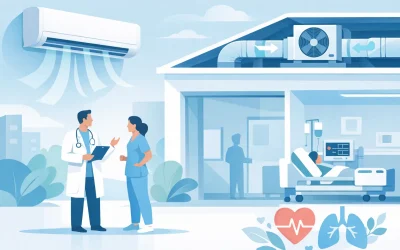
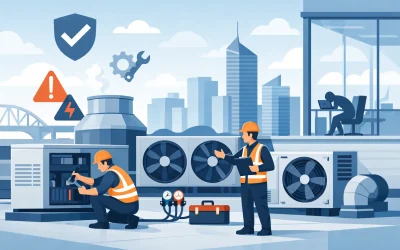
Breakdowns cost more than the repair invoice. In commercial settings, one HVAC failure can affect staff comfort, customer experience, stock conditions, equipment rooms, or compliance-sensitive spaces. In hospitality, education, healthcare support environments, and offices, poor temperature control can interrupt normal operations quickly.
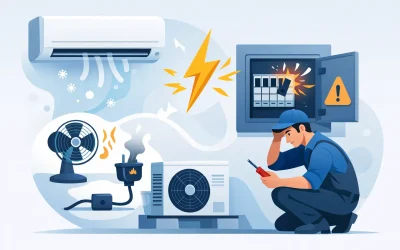
Preventative maintenance helps reduce downtime by catching small issues before they become major failures. A worn belt, blocked drain, failing capacitor, dirty condenser, or loose electrical connection may not shut a system down today, but left alone, any one of them can create a larger fault. Scheduled servicing gives technicians the chance to fix the manageable problem instead of responding to the full breakdown later.
That does not mean maintenance eliminates every emergency. Equipment can still fail unexpectedly, especially if it is ageing or has been poorly maintained in the past. But the frequency and severity of those failures usually drop when a proper program is in place.
Better efficiency means lower running costs
Air conditioning that is dirty, out of adjustment, or working harder than necessary will generally use more power. Over time, that shows up in energy bills, and across larger sites, it can become a serious operating cost.
A preventative maintenance program helps protect efficiency by keeping major components clean and operating as intended. Dirty filters restrict airflow. Fouled coils reduce heat transfer. Fan issues can affect system balance. Thermostat or control faults can lead to units running longer than needed. Each of these problems adds strain and waste, even if the system still appears to be working.
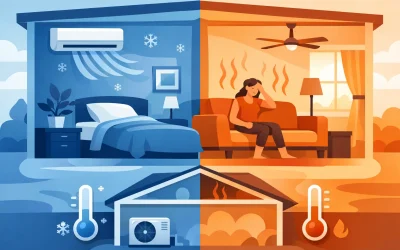
Operators often notice the benefit in two ways. The first is steadier performance, with fewer hot and cold spots or systems struggling to reach set temperature. The second is cost control. While maintenance is an ongoing expense, it is often cheaper than paying for avoidable inefficiency month after month.
This is where the trade-off matters. If a system is very old, heavily undersized, or nearing end of life, maintenance alone will not turn it into a high-efficiency asset. In those cases, a maintenance program still helps by keeping the unit safe and serviceable while giving you better visibility on when repair stops making financial sense.
Preventative maintenance supports compliance and asset visibility
For many operators, especially in commercial environments, maintenance is not just about comfort. It is also about documentation, hygiene, system condition, and meeting site obligations.
A structured program creates a record of what was inspected, serviced, and identified. That can be valuable for facility managers, body corporates, schools, aged care providers, and businesses with internal reporting requirements. If a unit has recurring issues, maintenance history helps show whether the problem is isolated, operational, or tied to broader asset decline.
Hygiene matters too. Air conditioning systems collect dust, moisture, and contaminants over time. If cleaning is ignored, indoor air quality can suffer and components can deteriorate faster. Preventative servicing helps address that through routine cleaning and condition checks, rather than leaving hygiene issues to build unnoticed.
Asset visibility is another major advantage. Operators need to know what equipment they have, what condition it is in, and where money should be spent first. Maintenance programs often highlight which systems are performing well, which need closer attention, and which may be candidates for upgrade or replacement.
Why operators get better budgeting certainty
One of the more practical answers to how do preventative maintenance programs help operators is that they make budgeting less reactive. Emergency repairs are hard to predict, often poorly timed, and usually more disruptive than planned service work.
With scheduled maintenance, you can spread service activity across the year and reduce the risk of large, sudden repair costs. That does not remove all repair spending, but it makes your maintenance profile more manageable. You are far more likely to deal with minor component replacement during a service visit than a complete system failure that requires urgent attendance and possibly temporary shutdowns.
For commercial operators, this also helps with capital planning. If maintenance inspections show repeated faults, declining performance, or advanced wear across certain systems, you can plan replacements in stages instead of waiting for multiple units to fail at once. That is a much better position to be in when you are managing budgets, tenants, or operational commitments.
The value is different for every site
Not every building needs the same maintenance schedule, and that is where some operators get caught out. A small residential split system has different demands to a ducted home setup, and both are very different from a VRV, VRF, or central plant application servicing a busy commercial property.
Usage patterns matter. So does the age of the equipment, the environment around it, the cleanliness of the space, and how critical the system is to operations. A unit near coastal air, kitchen exhaust, high dust, or long operating hours may need more attention than a lightly used system in a cleaner environment.
That is why a proper program should be tailored. A one-size-fits-all checklist may tick a box, but it does not always deliver the best result. Good maintenance is about matching service frequency and scope to the actual asset and the risk attached to failure.
Preventative maintenance also protects equipment life
Most operators want to get the best return from their HVAC investment. Regular maintenance helps by reducing unnecessary strain on key components and identifying wear before it damages related parts.
When systems are neglected, small problems can cascade. Restricted airflow can increase pressure on fans and compressors. Drainage issues can create water damage or internal contamination. Electrical faults can shorten component life. Left unchecked, these conditions can push an otherwise repairable system closer to replacement.
That said, maintenance does not make equipment last forever. Age still matters, and some systems become uneconomical to repair. What maintenance does is give operators a better chance of achieving full service life, rather than losing years of value through avoidable neglect.
Choosing the right maintenance partner matters
A preventative maintenance program is only as useful as the team delivering it. Operators need clear reporting, practical recommendations, reliable attendance, and technicians who understand the type of system on site. There is no value in vague notes or rushed visits that miss the actual issues.
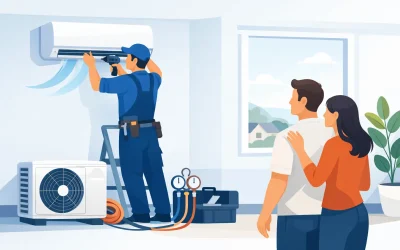
For Brisbane operators dealing with everything from residential split systems to large commercial assets, the right provider should be able to service the equipment properly, explain what matters now versus later, and respond when urgent work is needed. That is where an experienced local team like Big Dog Mechanical can make a real difference – not just by servicing units, but by helping clients make better operational decisions around them.
The best time to think about maintenance is before your system gives you a reason to. If your air conditioning matters to comfort, productivity, tenancy, or business continuity, a preventative program is not extra admin. It is part of keeping the place running properly.