A guest can forgive a slow lift or a dated hallway. They usually will not forgive a hot room at 10 pm after a long day of travel. That is why a solid hotel air conditioning guide matters – not as a box-ticking exercise, but as a practical way to protect guest comfort, online reviews, staff workload and operating costs.
Hotels place very different demands on air conditioning than most other buildings. Occupancy changes by the hour, rooms sit empty and then fill fast, common areas need stable comfort, and back-of-house spaces still need reliable cooling even when guests never see them. If the system is undersized, poorly zoned or neglected, the result is complaints, callouts and wasted energy.
What makes hotel air conditioning different
A hotel is not just one building with one cooling need. It is a collection of environments that all operate differently. Guest rooms need individual control and quiet performance. Lobbies, restaurants and function rooms need systems that can handle fluctuating occupancy. Corridors, laundries, offices and plant rooms have their own load profiles and ventilation requirements.
That mix is why hotel HVAC planning needs to go beyond simple capacity calculations. Good design balances comfort, noise, ventilation, humidity control, maintainability and energy use. In Queensland conditions, humidity control matters almost as much as temperature. A room can technically be cool and still feel uncomfortable if moisture levels are not managed properly.
There is also the reputation factor. In hospitality, one breakdown can affect multiple rooms, force room changes, tie up front desk staff and create compensation issues. Reliable performance is not just a maintenance goal. It is part of the guest experience.
Hotel air conditioning guide: choosing the right system
There is no single best system for every hotel. The right setup depends on building size, room count, age of the property, available plant space, budget and the standard of guest experience you are trying to deliver.
Split systems can work well in smaller motels, boutique properties or buildings where each room needs independent control and staged upgrades. They are relatively straightforward to replace and can be cost-effective upfront. The trade-off is appearance, maintenance access and the challenge of managing many separate units across the site.
Ducted systems suit some premium rooms and suites where quieter operation and cleaner presentation matter. They can deliver a better in-room finish, but they also require enough ceiling space and thoughtful zoning. If zoning is poor, you can end up conditioning areas that do not need it.
VRV or VRF systems are often a strong fit for larger hotels because they allow multiple indoor units to operate from connected outdoor systems with flexible control. They can offer good efficiency and better centralised management, especially where room-by-room control is important. The catch is that design, commissioning and servicing need to be done properly. A sophisticated system does not forgive poor setup.
For larger properties, chilled water or central plant systems may be the right approach. These are common where there are extensive common areas, high room counts or integrated mechanical services. They can be highly effective, but they need experienced support, planned maintenance and clear asset visibility.
Comfort is more than cold air
When hotel operators talk about air conditioning problems, they are usually talking about comfort. But comfort is not just room temperature on a wall controller. It also comes down to air movement, humidity, noise and how quickly the room responds when a guest checks in.
Quiet operation matters more than many sites expect. A system that cools well but rattles, hisses or cycles aggressively can still generate complaints. Guests notice noise at night, and they remember it. That makes equipment selection, installation quality and regular servicing just as important as cooling capacity.
Humidity control is another common weak point. In Brisbane and surrounding areas, outside air carries plenty of moisture for much of the year. If a hotel system is oversized, short-cycles or has poor airflow, it may lower temperature quickly without removing enough humidity. Rooms can end up feeling clammy, and that can lead to odours, condensation and mould risk.
The practical fix is not always replacing the whole system. Sometimes it is a matter of correcting airflow, recalibrating controls, cleaning coils, improving fresh air management or adjusting zoning strategy.
Energy efficiency without compromising the guest experience
Hotels cannot afford to waste power, but they also cannot cut comfort to save on bills. The smart approach is to improve control, efficiency and maintenance standards so the building works harder only when it needs to.
Occupancy-based control can make a real difference in guest rooms. If rooms are cooled sensibly between bookings and brought back to comfort quickly when occupied, the site avoids unnecessary run time without making guests wait for relief. This has to be set up properly, though. If energy-saving settings are too aggressive, guests will feel it straight away.
Common areas benefit from tighter scheduling and better zoning. A restaurant that is half full on a weekday afternoon does not need the same cooling response as a packed breakfast service or a function room during an event. Controls should reflect actual use, not just fixed assumptions.
Maintenance has a direct impact on efficiency too. Dirty filters, fouled coils, low refrigerant charge, failing fans and drifting sensors all increase energy use. These issues often build gradually, which is why they get missed until the power bill jumps or comfort drops off.
Why preventative maintenance matters in hotels
Reactive maintenance is expensive in any commercial building. In a hotel, it is worse because failures affect paying guests in real time. A breakdown in an occupied room is more disruptive than the same fault in a standard office tenancy.
Preventative maintenance reduces that risk by catching wear, contamination and performance drift early. It also helps sites plan works around occupancy, rather than calling for urgent repairs during peak periods. For hotels, that scheduling advantage is a big deal.
A proper maintenance program should cover more than basic filter cleans. It should include coil condition, drainage, controls, fan operation, refrigerant performance, electrical components, hygiene risks and overall system condition. For larger sites, asset audits are also valuable because they show what equipment is ageing, what is underperforming and where capital planning needs to happen.
If a hotel is dealing with repeat complaints in certain rooms, that is usually a sign to investigate deeper. It may point to balancing issues, failing components, poor pipe insulation, control faults or a design mismatch. Repeated patch repairs rarely solve those underlying problems.
Common hotel air conditioning issues and what they usually mean
When guests say a room is not cooling, the cause is not always the air conditioner itself. Sometimes it is a card switch setup, a controller issue, poor door sealing or blinds left open on a western-facing room. Still, there are recurring HVAC faults hotel operators see often.
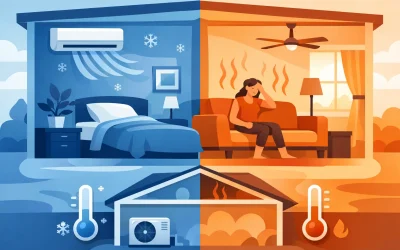
Uneven temperatures between rooms usually point to inconsistent maintenance, ageing equipment or zoning problems. Water leaks often suggest blocked drains, poor installation fall, cracked trays or hygiene build-up. Musty smells can indicate mould growth, stagnant condensate or dirty coils. High energy use may come from systems running out of hours, poor controls, neglected maintenance or equipment nearing the end of its service life.
The key is not to treat every symptom as an isolated fault. Hotels work best when someone looks at the building as a whole system rather than a string of room-by-room callouts.
Upgrades that are worth considering
Not every hotel needs a full replacement program. In many cases, targeted upgrades deliver strong returns. Replacing failed or outdated controllers, improving room sensors, upgrading ageing split systems, reviewing fresh air strategies or restoring neglected equipment can all improve performance without major disruption.
For older properties, staged upgrades often make more sense than a single large project. That lets operators prioritise high-complaint rooms, poor-performing plant or areas with the biggest running cost issues. It also gives management better control over budget and operational impact.
This is where working with an HVAC contractor that understands both day-to-day service and larger mechanical systems helps. A practical operator will tell you when a repair is still worth doing and when you are better off planning replacement.
Getting the support model right
Hotels need responsive support, but they also need consistency. Fast emergency attendance is important, especially after hours, yet the bigger win is having a contractor who already knows the site, understands the equipment mix and can spot patterns before they become failures.
For hotel managers and owners, the best support model usually combines scheduled maintenance, clear reporting, sensible lifecycle advice and rapid breakdown response when things go wrong. If your property is in Brisbane or surrounding suburbs, having a local specialist matters because response times and site familiarity can make a real difference when occupancy is high and rooms need to stay online.
Big Dog Mechanical works with commercial sites that need exactly that mix – reliability, practical advice and support that keeps systems running without fuss.
A good hotel air conditioning setup should quietly do its job in the background. When it is designed well, maintained properly and supported by the right team, guests barely think about it at all, which is exactly the point.