When a Brisbane air conditioner fails during a run of 30-degree days, the problem rarely starts that morning. Restricted airflow, a blocked drain, a dirty coil or an electrical fault often builds quietly over months. This air conditioner servicing guide explains what regular servicing involves, when to arrange it and where a simple clean ends and professional HVAC work begins.
For homeowners, good servicing keeps bedrooms, living areas and ducted zones comfortable without unnecessary power use. For facility managers and business operators, it protects uptime, indoor air quality, compliance requirements and the life of valuable plant. The right schedule depends on the system, how hard it works and the environment around it.
What an air conditioner service should cover
A proper service is more than rinsing a filter and confirming the unit still turns on. Filters matter, but they are only one part of a system that moves air, drains condensation, manages electrical load and transfers heat through coils.
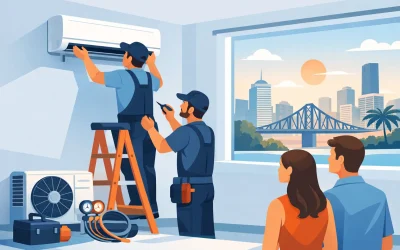
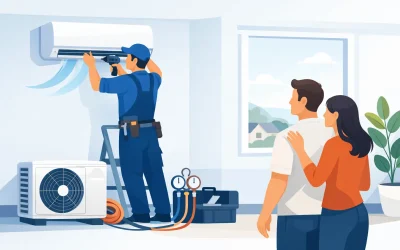
For a residential split system, a technician will generally inspect the indoor and outdoor units, clean accessible components, test operation and identify developing faults. That includes checking air filters, fan operation, coil condition, drain function, refrigerant performance indicators, electrical connections and the remote or wall controller.
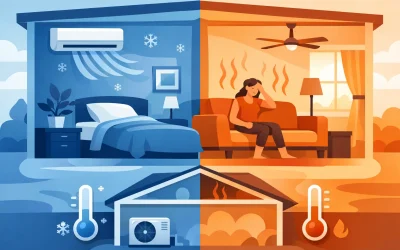
Ducted systems require a broader check because faults can sit in the return-air path, zones, ductwork, controller, condensate drainage or outdoor unit. If some rooms are much warmer than others, the issue may not be the air conditioner itself. It could be a zoning fault, duct leakage, an incorrectly positioned sensor or insufficient airflow.
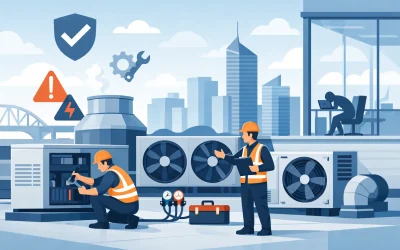
Commercial HVAC maintenance can be more detailed again. VRV/VRF systems, package units, central plant and multi-level systems need planned inspections matched to their asset condition and operating demands. A useful maintenance visit should create visibility, not just tick a box. Facility teams need to know what was checked, what needs attention now and what can be planned into the budget before it becomes an urgent shutdown.
Hygiene cleaning is not the same as a basic service
Moisture and dust inside an indoor unit can encourage mould, odours and poor air quality. If the unit smells musty when it starts, has visible contamination or is dripping, it may need a dedicated hygiene clean rather than a standard maintenance visit.
This work focuses on the evaporator coil, blower wheel, drain tray and condensate line. These areas are difficult to clean properly without the right equipment and containment. Spraying fragrance into the unit may mask an odour briefly, but it will not remove the contamination causing it.
How often should you book air conditioner servicing?
For most Brisbane homes, annual servicing is a sensible baseline. Booking before the hottest part of the year gives the system the best chance of handling sustained summer use. If the air conditioner is used heavily for heating as well, twice-yearly checks can be worthwhile, particularly for larger ducted systems.
A more frequent schedule suits systems in dusty locations, homes with pets, properties near construction work, or households where the unit runs for long periods every day. Restaurants, schools, aged care facilities, offices and retail spaces usually need planned servicing several times a year because occupant comfort, hygiene and operational continuity are higher stakes.
There is no single interval that fits every commercial site. A lightly used office split system has different needs from a hospitality venue with high heat loads, kitchen activity and long operating hours. An asset audit can help set a practical maintenance plan based on equipment age, usage, critical areas and known failure history.
What you can do between professional visits
Regular owner maintenance makes professional servicing more effective. It also helps catch obvious problems early.
Clean reusable filters every one to three months during periods of regular use, following the manufacturer’s instructions. Let them dry fully before reinstalling them. A blocked filter limits airflow, makes the unit work harder and can contribute to icing, poor cooling and higher energy use.
Keep the outdoor unit clear of leaves, grass clippings, stored items and overgrown plants. It needs room to reject heat. Do not hose the unit internally, bend its fins or remove electrical covers. A gentle clear-out around the unit is enough.
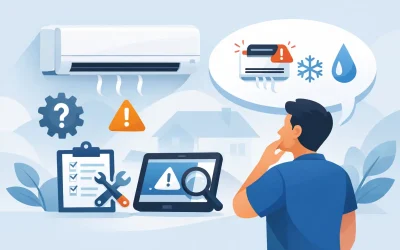
Pay attention to changes in performance. Weak airflow, new rattles, water marks near the indoor unit, unusual smells, repeated error codes and a noticeable jump in running costs all justify a call before the system stops altogether. Taking note of when the issue occurs – on hot afternoons, in one zone or after rain – also gives the technician useful clues.
Signs your system needs attention now
Some faults can wait for a scheduled booking. Others should be addressed promptly to avoid water damage, lost cooling or a more expensive repair.
Water dripping from an indoor head unit is a common example. It may be caused by a blocked drain, but continued use can damage walls, ceilings or flooring. Turn the system off if water is escaping indoors and arrange an inspection.
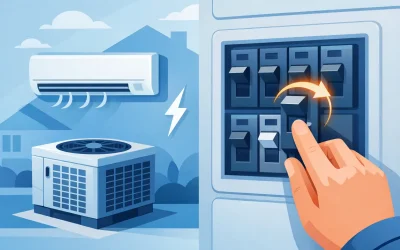
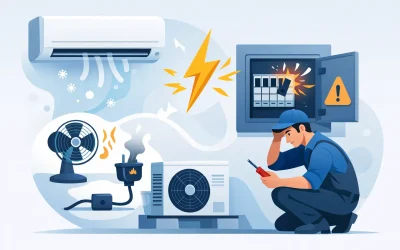
If the unit trips a circuit breaker, smells burnt, makes loud mechanical noises or will not start, do not keep resetting it. Electrical faults and failing components need qualified assessment. The same applies to suspected refrigerant leaks. Refrigerant work must be handled by appropriately licenced technicians, and simply topping up a leaking system is not a lasting repair.
Poor cooling is not always a refrigerant issue. Dirty coils, low airflow, a faulty capacitor, sensor problems, damaged ductwork and outdoor-unit faults can produce similar symptoms. Proper diagnosis matters because the quickest-looking fix is not always the correct one.
Air conditioner servicing guide: questions to ask your technician
Clear communication helps you get value from a service visit. Ask what condition the system is in, whether any faults are urgent and whether the repair is likely to improve reliability or only extend the system’s life temporarily.
For older systems, it is also reasonable to ask about energy use, available parts and whether replacement should be planned. Repairing a dependable unit can make good financial sense. But if a system has recurring failures, poor comfort control or expensive component issues, an upgrade may offer lower running costs and fewer callouts over time.
Commercial customers should ask for service records, recommended actions and a priority rating for identified issues. This makes it easier to schedule work around trading hours, tenant access and operational peaks rather than reacting to breakdowns.
Why preventative maintenance saves more than energy
Energy efficiency is a major benefit of servicing, especially when a system runs all summer. Clean filters and coils help air move freely, while properly operating fans and controls prevent the unit from working harder than necessary. However, maintenance is also about reducing disruption.
For a homeowner, that may mean avoiding a hot night without cooling. For a business, it can mean keeping staff comfortable, protecting temperature-sensitive areas and avoiding an emergency repair during a busy service period. Planned maintenance gives you more control over timing, costs and equipment decisions.
It also supports better indoor air quality. Air conditioners do not create fresh air in the way a dedicated ventilation system does, but clean components and effective drainage reduce the chance of circulating dust, odours and moisture-related contamination through occupied spaces.
Choosing the right service approach
A basic annual service is often enough for a well-maintained residential split system. A heavily used ducted system, an older unit with previous faults or a property with indoor air quality concerns may need more detailed cleaning and testing.
For commercial sites, the right approach is usually a tailored maintenance program rather than occasional reactive callouts. It should account for system type, business hours, critical rooms, asset age and safety or compliance obligations. The goal is simple: keep equipment reliable, identify risks early and minimise disruption when work is required.
If your unit is overdue, noisy, leaking or struggling to keep up, booking a qualified local technician before the next heatwave is the practical move. Big Dog Mechanical can assess the system, explain what it needs in plain terms and help keep your home or workplace comfortable when it matters most.