When the air conditioner is running longer but the house, office or shop still feels sticky, the problem is not always the thermostat. Can dirty coils increase power bills? Absolutely. In Brisbane’s long, humid cooling season, dirty indoor or outdoor coils can force an air conditioning system to work harder for less comfort, adding avoidable cost to every electricity bill.
A dirty coil is not just a cosmetic issue. It affects how effectively the system moves heat, how long the compressor runs and how much strain is placed on key components. For homeowners, that can mean higher bills and an earlier repair. For facility managers and business operators, it can also mean unreliable comfort, tenant complaints, downtime and unnecessary operating costs.
How dirty coils increase power bills
Your air conditioner does not create cold air. It removes heat from inside the building and releases it outdoors. The indoor evaporator coil absorbs heat from the air passing over it, while the outdoor condenser coil sheds that heat outside.
Both coils need clear airflow and clean surfaces to do their job efficiently. When dust, lint, grease, pollen, mould growth or grime builds up, it acts as insulation around the coil. Heat cannot transfer as easily, so the system has to run for longer to reach the temperature set on the controller.
That extra run time is where the cost comes from. The compressor and fans are the biggest power users in most split, ducted and commercial air conditioning systems. If they operate for an extra hour or cycle more often through the day, electricity consumption rises. In severe cases, a heavily fouled coil can also cause the system to overheat, trip out or lose cooling capacity altogether.
The effect depends on the system, how dirty the coils are, the condition of the filters and the building’s heat load. A lightly dusty coil may have a modest impact. A coil blocked by years of debris, kitchen grease or construction dust can make a noticeable difference to performance and running costs.
The two coils that need attention
Indoor evaporator coils
The evaporator coil sits inside the indoor unit, behind the filters. It is constantly exposed to air drawn from your rooms or through the return-air grille. Filters catch a lot of dust, but they do not catch everything, particularly when filters are dirty, poorly fitted or not changed often enough.
Over time, fine dust can settle between the coil fins. In humid conditions, that moisture can support mould and microbial growth. This restricts airflow, reduces heat absorption and may contribute to musty odours when the system starts.
For a home split system, a dirty evaporator coil often shows up as weak airflow, reduced cooling or water dripping from the indoor unit. In ducted and commercial systems, the warning signs can be less obvious because the coil is out of sight. A room that takes longer to cool, uneven temperatures or complaints from staff and customers can be the first clue.
Outdoor condenser coils
The condenser coil is in the outdoor unit and deals with Queensland weather year-round. Leaves, grass clippings, dust, cobwebs, mulch, airborne pollution and salt air in some areas can build up around it. Units near car parks, loading areas, kitchens or dusty worksites often need more frequent attention.
When the outdoor coil cannot release heat properly, the refrigerant pressure increases. The compressor must work under greater load, often on hot days when you need cooling most. The system may still operate, but it will be less efficient and more likely to suffer a breakdown if the issue continues.
Keep vegetation, stored items and rubbish clear of the outdoor unit. Good clearance is not optional. The unit needs space to draw and discharge air freely. However, avoid blasting the fins with a high-pressure cleaner. The aluminium fins bend easily, and forcing water into electrical areas can create a bigger problem.
Signs your air conditioner may be wasting energy
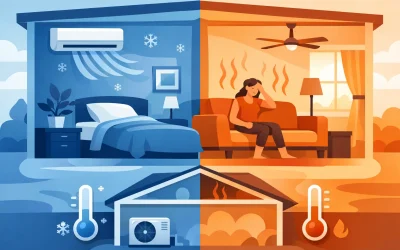
A higher power bill is worth investigating, but it is only one part of the picture. Dirty coils are more likely when the system also runs for long periods without reaching the set temperature, delivers weak airflow, cools unevenly or sounds louder than usual outside.
Other warning signs include a musty smell from indoor vents, ice forming on refrigerant pipework or the indoor coil, frequent cycling, water leaks, and an outdoor unit that feels excessively hot. In a commercial setting, rising energy use alongside repeated comfort complaints is a strong reason to arrange an inspection.
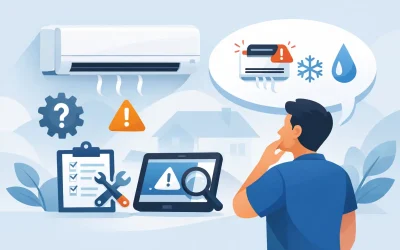
These symptoms are not exclusive to dirty coils. A blocked filter, failing fan motor, refrigerant issue, duct leak, thermostat fault or undersized system can produce similar results. That is why proper assessment matters. Cleaning a coil can restore performance when it is the cause, but it will not fix a system with an underlying mechanical or design issue.
Cleaning coils properly is more than a quick spray
Cleaning accessible filters is a sensible owner task. Turn the system off, remove the filters according to the manufacturer instructions, wash them gently if they are washable, let them dry fully and reinstall them correctly. In busy homes with pets, open windows or frequent use, this may be needed more often than people expect.
Coil cleaning is different. Indoor coils can be difficult to access without removing covers and working around wiring, drain trays and delicate fins. Commercial fan coil units, package units, VRV/VRF systems and central plant equipment require an even more considered approach. The correct cleaning method depends on the coil condition, location, drainage, surrounding equipment and the type of contamination present.
A professional service should inspect the filters, coil condition, condensate drain, fan operation, electrical components and overall system performance. Where coil cleaning is required, the technician can use suitable products and techniques without damaging fins or washing contaminants into places they should not go. For businesses, maintenance records also help demonstrate that HVAC assets are being managed responsibly.
How often should coils be cleaned?
There is no single timetable that suits every property. A lightly used residential split system in a clean, closed home may need less attention than a unit operating daily in a pet-friendly household. A café, childcare centre, warehouse, medical facility or busy office may need a more regular preventative maintenance plan because usage and airborne contaminants are higher.
As a practical rule, filters should be checked regularly through the cooling season, while the full system should be professionally serviced at least annually. Systems with high run hours, hygiene requirements or harsh operating conditions may need servicing more frequently. The best schedule is based on what the unit is doing, where it is installed and how critical reliable cooling is to the property.
Preventative maintenance costs money, but it is generally far cheaper than paying for wasted electricity, emergency callouts and premature component replacement. It also gives technicians the chance to identify worn parts, drainage issues and airflow restrictions before they turn into a summer breakdown.
Lower bills start with a system that can breathe
Clean coils are one part of efficient air conditioning, not the whole answer. Sensible temperature settings, clean filters, sealed ductwork, correct system sizing and well-maintained fans all affect power use. Still, coil condition is one of the most overlooked causes of poor performance because the problem is usually hidden behind a cover or inside an outdoor cabinet.
If your air conditioner is working harder than it should, do not wait for it to fail on the hottest day of the year. Big Dog Mechanical can assess the system, clean and service it where needed, and give you clear advice on the most practical next step. A well-maintained unit should deliver the comfort you are paying for, without making your power bill do the heavy lifting.