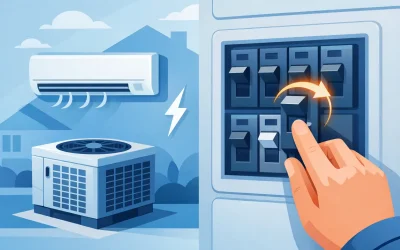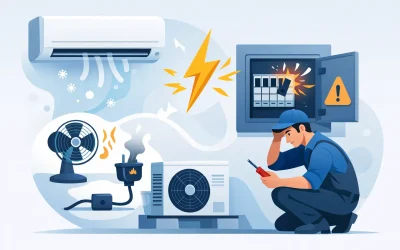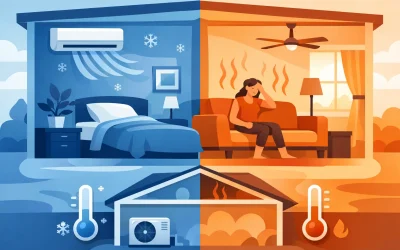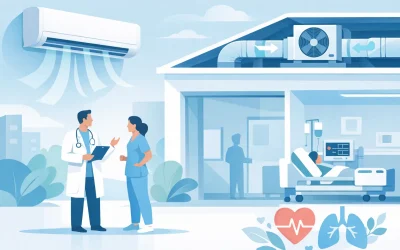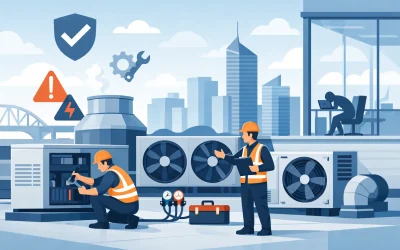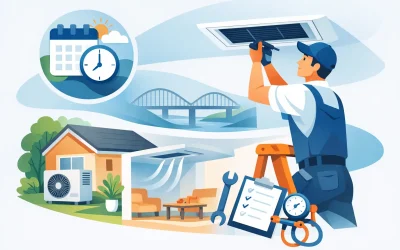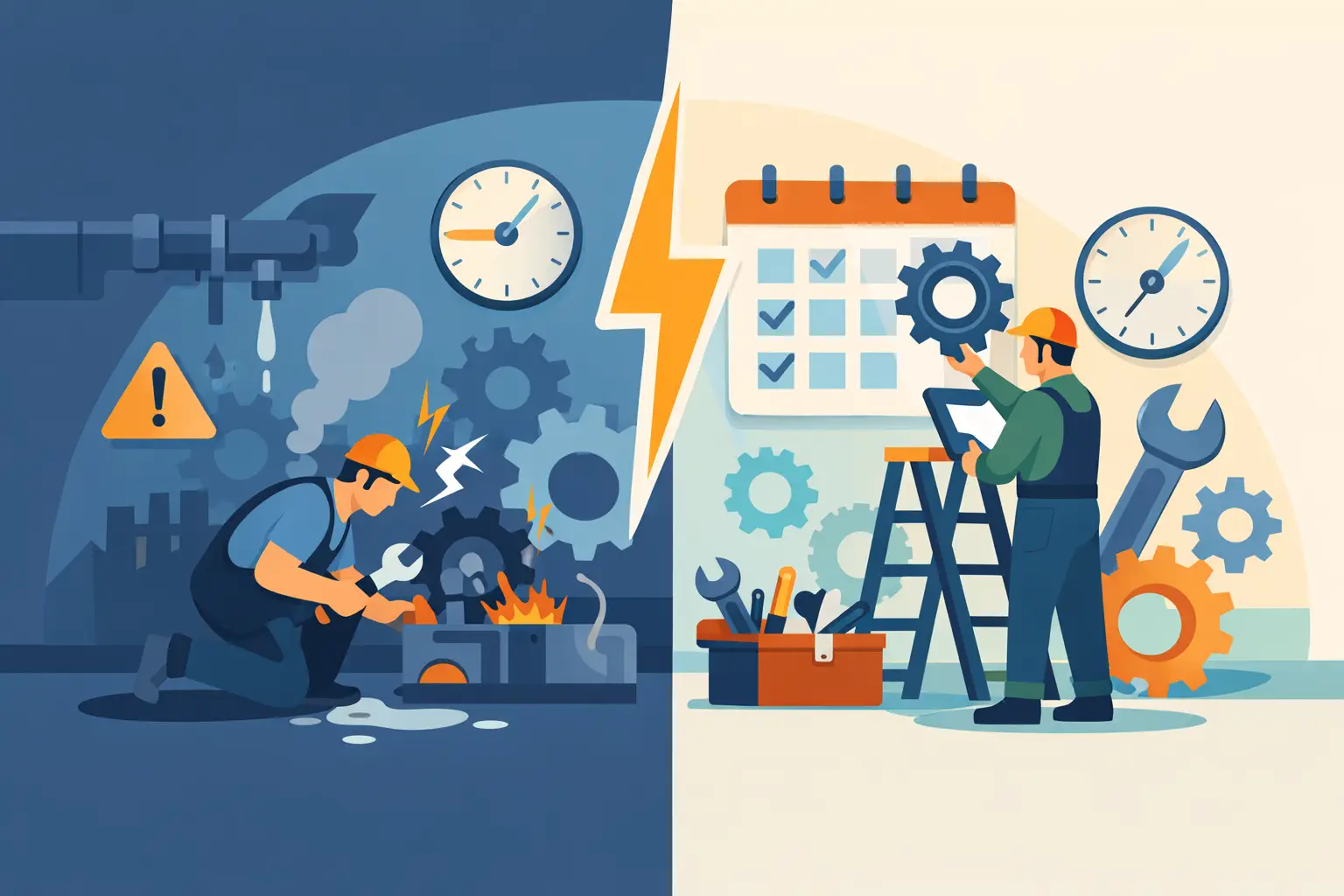
A rooftop unit dies on a 34-degree Brisbane afternoon, the office gets stuffy fast, and suddenly everyone wants an answer. That is the real difference in reactive vs planned maintenance. One approach waits for the fault and pays the price when it hits. The other works ahead of the breakdown to reduce risk, control cost and keep the system doing its job.
For air conditioning and HVAC, that choice matters more than most people realise. Whether you manage a commercial property, run a hospitality venue or just want your ducted system to make it through summer, the maintenance strategy behind the equipment will affect comfort, energy use, repair bills and how often you are dealing with urgent callouts.
What reactive vs planned maintenance actually means
Reactive maintenance is exactly what it sounds like. You wait until something stops working, then arrange a repair. It is the run-to-failure model. For some assets, that can be acceptable. For HVAC, it often becomes expensive because the system usually fails when demand is highest.
Planned maintenance is scheduled servicing based on time, usage, manufacturer requirements and site conditions. The goal is not just to clean filters and tick a box. It is to inspect components, pick up wear early, maintain performance and reduce the chance of sudden breakdowns.
In plain terms, reactive maintenance deals with problems after they hurt you. Planned maintenance is about reducing the chance those problems get that far.
Why HVAC is a poor candidate for a purely reactive approach
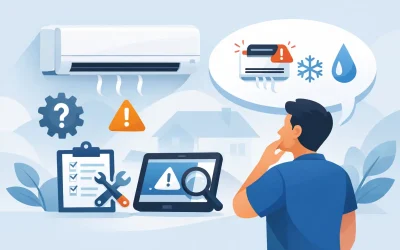
Air conditioning systems rarely fail out of nowhere. More often, they give warning signs first. Coils get dirty, fan motors start drawing poorly, drains begin to block, refrigerant issues affect performance, belts wear, controls drift and electrical connections loosen over time.
If none of that is checked, the system keeps running under strain until it cannot. By then, what could have been a relatively simple service issue may have turned into a compressor problem, water damage event or full loss of cooling during peak occupancy.
For homeowners, that means discomfort, especially in humid Queensland conditions. For commercial sites, it can mean complaints, lost productivity, unhappy tenants, spoiled stock, non-compliance concerns or a poor customer experience. In aged care, education and hospitality settings, the impact can be immediate and serious.
That is why a strictly reactive model tends to look cheaper only on paper. It avoids routine service costs up front, but it often creates larger, less predictable expenses later.
The real cost of reactive maintenance
A breakdown invoice is only one part of the cost. The bigger issue is everything around it.
When a unit fails without warning, you are usually dealing with urgent scheduling, disrupted operations and limited room to make a calm decision. Parts may need to be sourced fast. Staff or family are left without cooling. In commercial settings, tenants, patrons or residents may be affected before the repair even starts.
There is also the energy penalty. An HVAC system does not need to be fully broken to be inefficient. Dirty filters, fouled coils and poorly performing components can push power use up for months before anyone notices. A reactive strategy often means you pay extra on your electricity bill long before you pay for the actual repair.
Then there is asset life. Systems that are neglected and forced to run under stress generally wear out sooner. So the cost is not just more callouts. It can also be earlier replacement.
Where planned maintenance delivers value
Planned maintenance gives you more control. It helps identify issues while they are still manageable, when repair options are broader and the cost is usually lower.
For residential systems, that often means steadier performance through summer, cleaner airflow and fewer nasty surprises when the house needs cooling most. It can also help protect manufacturer warranty requirements, depending on the system and service history.
For commercial HVAC, planned maintenance has a wider role. It supports uptime, energy efficiency, asset visibility and compliance. A proper maintenance program also makes budgeting easier because you are managing known service intervals instead of waiting for unknown failures.
This is especially useful where systems are critical to operations. Think restaurants, schools, medical settings, offices, apartment buildings or aged care facilities. In those environments, the question is not whether a breakdown can happen. It is how much disruption you can tolerate when it does.
Reactive vs planned maintenance for different property types
Not every site needs the same level of maintenance, and that is where some balance is needed.
A homeowner with a newer split system in light use may not need the same schedule as a large commercial property with multiple packaged units, ducted systems or VRF equipment running across long hours. Likewise, a back-of-house storeroom unit is not as operationally critical as air conditioning in a dining room, classroom or server area.
That said, almost every occupied property benefits from some level of planned servicing. The higher the usage, occupancy or consequence of failure, the stronger the case for a structured maintenance plan.
A hybrid approach can also make sense. Critical systems get planned maintenance, while low-risk or low-cost assets may be managed more reactively. That is often the most practical model for facilities trying to balance reliability and budget.
Signs your current approach is too reactive
If you are only calling for help when the unit stops, your maintenance strategy is already reactive. But there are other signs as well.
Maybe the system still runs, but some rooms never cool properly. Maybe the power bills have crept up. Maybe you are seeing repeated drain blockages, water leaks, odd smells, noisy operation or frequent resets. In commercial settings, maybe maintenance records are patchy and no one has a clear picture of system condition.
These are not minor annoyances. They are usually indicators that the equipment is not being managed early enough.
What planned HVAC maintenance should include
A useful maintenance visit goes beyond a quick once-over. It should be tailored to the system type, age, usage and environment.
For most air conditioning systems, that means checking filters, coils, fan operation, condensate drains, refrigerant performance, electrical components, controls and general condition. On commercial systems, it may also involve reviewing plant performance, identifying worn components, flagging compliance concerns and documenting asset condition for future planning.
Cleaning matters too. Hygiene and airflow are not separate from performance. Dirty components can affect efficiency, indoor air quality and system reliability at the same time.
Good maintenance should also produce clear recommendations. If a technician spots a failing part or signs of deterioration, you want to know what is urgent, what can be scheduled and what to budget for later. That clarity is where planned maintenance becomes a business decision, not just a service booking.
Which option saves more money?
Over time, planned maintenance usually wins, but not because it removes all repair costs. It does not. Parts still wear out, older systems still fail, and even well-maintained equipment can break unexpectedly.
The difference is that planned maintenance tends to reduce the number of avoidable failures and limit the damage when problems start. It also helps systems run more efficiently and often extends usable asset life. That combination is where the savings show up.
Reactive maintenance can still have a place where the equipment is non-critical, cheap to replace or close to end of life. If an older unit is already earmarked for replacement, heavy maintenance spending may not be sensible. In that case, keeping it going with targeted repairs until upgrade time can be reasonable.
So the right answer is not always absolute. It depends on the system, its importance, its age and the cost of failure.
Making the right call for your property
If the air conditioning is essential to comfort, business continuity or compliance, planned maintenance is usually the safer and smarter path. It gives you fewer surprises, more predictable costs and better performance across the year.
If you are unsure where your systems sit, start with an honest look at downtime risk. Ask what happens if this unit fails tomorrow. If the answer is inconvenience, a lighter-touch strategy may be enough. If the answer is lost trade, upset tenants, overheated spaces or urgent after-hours repairs, then waiting for failure is false economy.
For many Brisbane properties, the best move is not choosing between extremes. It is building a maintenance approach that matches the site, the equipment and the real cost of downtime. That is where experienced HVAC support matters. A good contractor will not push a one-size-fits-all plan. They will tell you what needs attention, what can wait and how to keep the system reliable without wasting money.
The smartest maintenance strategy is the one that keeps your air conditioning working when you actually need it, not just when the weather is mild and the stakes are low.