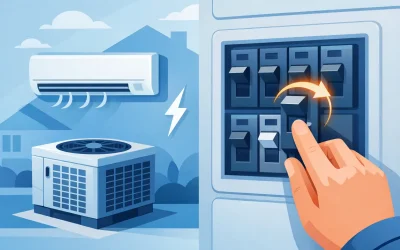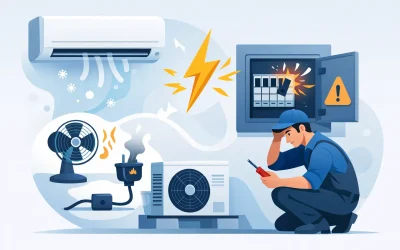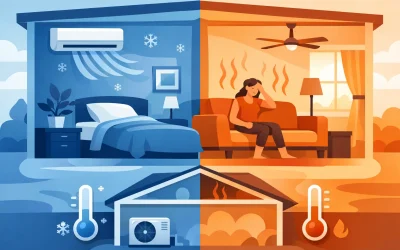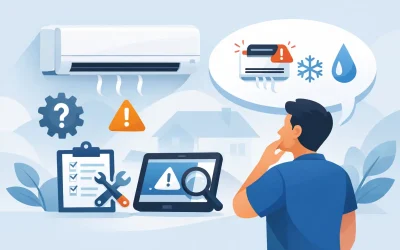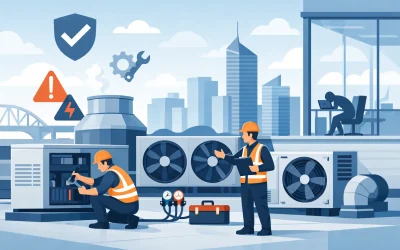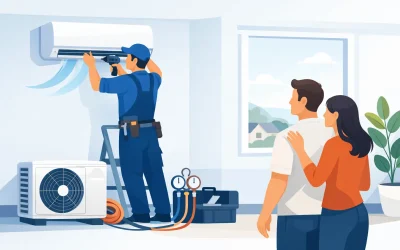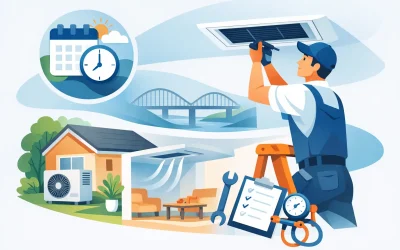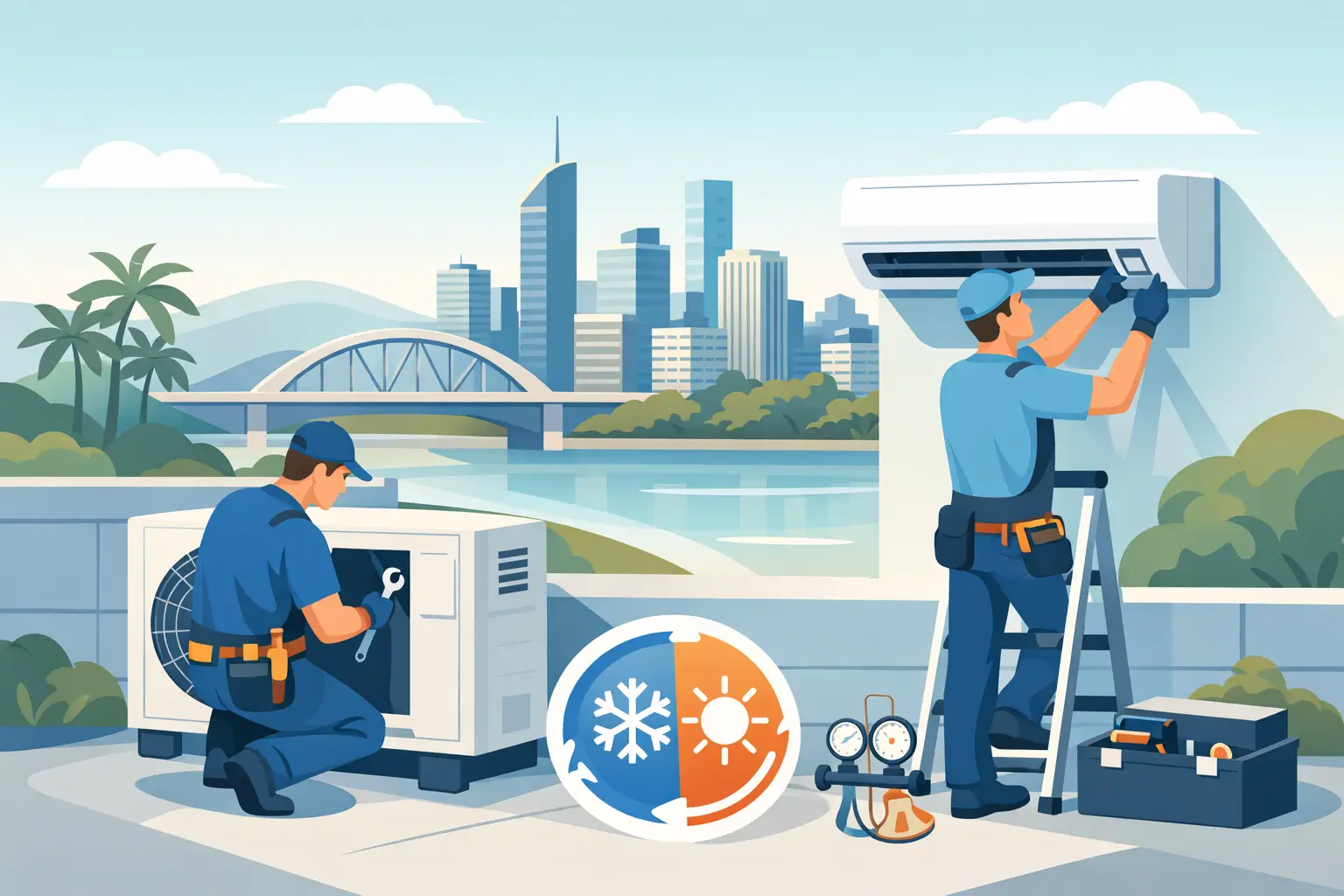
A system does not need to stop working completely before it becomes a costly problem. Rising power bills, uneven temperatures, recurring faults, water leaks and poor airflow can all signal that the equipment is no longer performing as it should. Air conditioning restoration services address these issues at their source, helping Brisbane homes and businesses recover dependable comfort without automatically replacing every component.
Restoration sits between routine servicing and full system replacement. It is a targeted process for equipment that has been neglected, damaged, contaminated, inefficient or simply worn down by years of Queensland heat and heavy use. Done properly, it can extend the useful life of a suitable system, improve air quality and reduce disruption for the people relying on it.
When air conditioning restoration services make sense
Restoration is often the right call when the core system still has value but its condition has slipped. A commercial ducted system may have sound major equipment but blocked drains, dirty coils, deteriorated insulation and controls that no longer operate accurately. A residential split system may be struggling because of mould build-up, corroded parts, damaged pipe insulation or an outdoor unit that has not been properly cleaned in years.
It is particularly useful after a period of vacancy, building works, storm exposure, water ingress or a long gap in maintenance. Dust from renovations can quickly clog filters and coils. Moisture can create hygiene concerns inside fan coil units and ductwork. In commercial settings, these problems can lead to hot zones, tenant complaints, higher running costs and avoidable breakdowns during peak demand.
The key question is not simply whether the unit turns on. It is whether it can deliver safe, efficient and reliable cooling or heating for the way the property is used now.
What a proper restoration involves
A restoration should begin with an assessment, not a guess. A qualified technician checks the condition of the indoor and outdoor equipment, electrical connections, refrigerant circuit, drains, airflow, controls and visible ductwork. For larger sites, this may also include an asset review to identify the age, condition and priority of each unit.
The scope then depends on the findings. Some systems need a detailed hygiene clean and recommissioning. Others need parts replaced, drainage corrected, coils repaired or controls recalibrated. Where access allows, technicians may identify insulation damage, duct leaks or poorly performing zones that are putting extra load on the plant.
Deep cleaning is more than a quick filter wash
Filters are only one part of the picture. Dirt on evaporator and condenser coils restricts heat transfer, forcing a system to run longer to achieve the same result. Contaminated fan barrels and drain pans can affect airflow, create odours and contribute to water leaks.
A restoration clean focuses on the parts that influence performance and hygiene. This can include indoor coil cleaning, fan and casing treatment, drain flushing, outdoor coil cleaning and removal of built-up debris around the condenser. The correct method matters. Aggressive cleaning or unsuitable chemicals can damage delicate fins and components, so the work needs to suit the equipment and condition.
Repairs and replacement of worn components
Small failures can have a big operational impact. A damaged capacitor, worn fan motor, blocked condensate line, faulty sensor or deteriorated contactor may leave an otherwise serviceable system unreliable. Restoring the unit may involve repairing or replacing these components, checking the electrical system and testing the unit under operating load.
Refrigerant work requires particular care. Low refrigerant is not a normal maintenance item. If a system is short of charge, the cause needs to be investigated and repaired before it is recharged. Simply topping it up can mask a leak, waste money and leave the unit vulnerable to another failure.
Airflow, drainage and controls
Airflow problems are commonly mistaken for a lack of cooling capacity. In reality, blocked filters, dirty coils, failing fans, collapsed flexible duct, closed dampers or poor return-air paths can all reduce comfort. In a busy office, classroom or hospitality venue, this may mean one area is freezing while another remains uncomfortably warm.
Drainage is equally important in Brisbane’s humid conditions. A blocked or poorly graded drain can cause water damage, ceiling stains and unplanned shutdowns. Restoring drainage may require clearing lines, repairing pipework, correcting falls or fitting appropriate condensate management components.
Controls deserve attention too. A system cannot run efficiently if sensors are inaccurate, timers are wrong or zones are operating outside business hours. Restoring control settings can reduce unnecessary run time while keeping occupied areas comfortable.
Restoration versus replacement: make the call on evidence
Not every system is a good candidate for restoration. If a unit has major compressor failure, repeated refrigerant leaks, obsolete parts, severe corrosion or an energy-hungry design nearing the end of its practical life, replacement may provide better value. The same applies where a building’s needs have changed and the existing system is plainly undersized or oversized.
However, replacing equipment too early can also be expensive and disruptive. If the central components are in good condition, a carefully planned restoration may deliver years of additional service at a lower upfront cost. For commercial property owners and facility managers, this can create breathing room to plan capital works instead of reacting to a summer breakdown.
A useful assessment considers repair history, current performance, equipment age, availability of parts, energy use and the cost of disruption. It should also account for the system type. A straightforward split system may be economical to replace, while a VRV, VRF or central plant system may warrant a more detailed restoration strategy because replacement is more complex.
The business case for commercial sites
For commercial sites, restoration is about more than room temperature. Poorly performing HVAC can affect staff productivity, customer experience, stock conditions and building operations. In aged care, education and hospitality settings, equipment reliability and indoor hygiene carry even greater weight.
A planned restoration can reduce the risk of emergency call-outs by correcting developing faults before they become critical. It also gives facility teams a clearer view of their assets. Knowing which units have been restored, which require close monitoring and which should be budgeted for replacement makes maintenance spending more controlled.
There is a trade-off. Restoration work may require staged shutdowns or after-hours access, particularly where air conditioning supports occupied commercial areas. Planning the work around operating hours can limit disruption and keep critical spaces available.
What homeowners should look for
At home, the signs are usually easier to feel than to diagnose. The lounge takes too long to cool, bedrooms are stuffy, the unit smells when it starts, or water appears near the indoor head. A restoration assessment can establish whether the issue is a cleanable and repairable condition problem or whether the system has reached the point where replacement is more sensible.
Homeowners should be wary of a one-size-fits-all answer. An older split system with a minor electrical fault and dirty coil may be well worth restoring. A heavily corroded unit with recurring faults may not be. The goal is to spend money where it improves reliability, not keep an uneconomical system alive indefinitely.
Keep restored equipment performing
Restoration delivers the best result when it is followed by regular maintenance. Filters need attention, drains need checking and outdoor units need clear airflow. Commercial systems benefit from a documented preventative maintenance program matched to their operating hours, occupancy and equipment type.
Big Dog Mechanical approaches restoration with the same practical focus used across repairs, maintenance and upgrades: identify the cause, explain the options clearly and complete the work to suit the property. For homes, that means dependable comfort. For businesses, it means fewer surprises, better asset decisions and less downtime when the weather turns hot.
If your air conditioning is still running but no longer delivering the performance you expect, a professional assessment can turn an uncertain repair decision into a clear, cost-conscious plan.