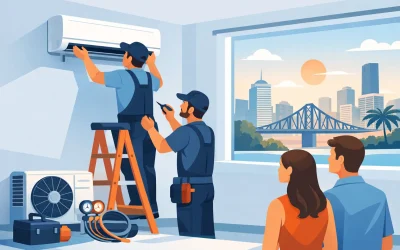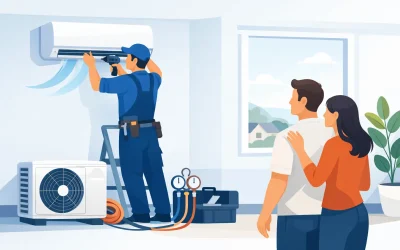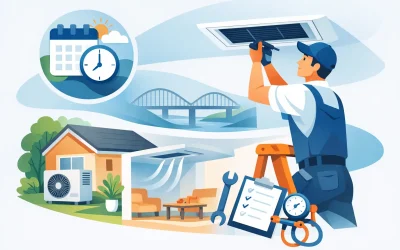
A hot Queensland afternoon will quickly tell you whether your air con was chosen well, sized properly and installed by the right team. Home air conditioning installation is not just about getting a unit on the wall. It is about matching the system to the house, the layout, the way you live and the conditions it has to handle year after year.
Get that part right and you get steady comfort, lower running costs and fewer breakdown headaches. Get it wrong and you end up with rooms that never quite cool down, power bills that sting and a system that works harder than it should.
What good home air conditioning installation actually looks like
A proper installation starts well before tools come out of the van. The first step is understanding the space. Room size matters, but it is only one part of the picture. Ceiling height, window placement, insulation, sun exposure and how often the room is used all affect what system will perform properly.
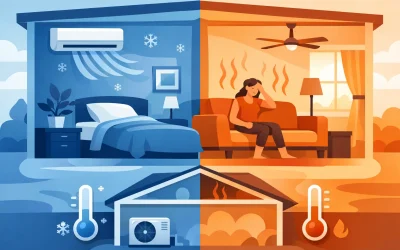
That is why quick guesses can cost you. An undersized system will struggle through Brisbane summers and run constantly trying to keep up. An oversized unit can cool too quickly without properly managing humidity, leaving the space feeling clammy and uncomfortable. Neither option is efficient.
Good installers look at the whole property, explain the options clearly and recommend a system based on performance rather than a one-size-fits-all sale. That is the difference between buying an air conditioner and investing in a result.
Choosing the right system for your home
For most households, the decision comes down to split system air conditioning or ducted air conditioning. Both can work well, but the best choice depends on the size of the home, how many rooms you want to condition and how much control you want over different areas.
Split systems for targeted comfort
Split systems are a practical option when you want to cool or heat a single room or a few key areas. They suit bedrooms, living rooms, home offices and smaller homes where full-house ducting is unnecessary. They are generally more affordable upfront and can be a smart staged approach if you plan to install units in different rooms over time.
The trade-off is coverage. If you are trying to manage comfort across a larger home with multiple split systems, the install can become more complex and the look may not suit every property.
Ducted systems for whole-home control
Ducted air conditioning is often the better fit for larger homes, new builds or households that want cleaner aesthetics and more consistent comfort throughout the property. With the right zoning setup, you can control which parts of the home are running and avoid conditioning rooms you are not using.
That said, ducted systems involve a bigger upfront investment and the roof space needs to be suitable. A good installer will tell you plainly whether ducted is worth it for your home or whether a simpler option will do the job better.
Why sizing matters more than most people realise
One of the biggest mistakes in home air conditioning installation is focusing only on brand or price while overlooking system capacity. The unit has to be sized for the actual load of the space, not just the floor area written on a real estate listing.
A room with western sun, large glass windows and poor insulation will place very different demands on a system than a shaded, insulated room of the same size. Open-plan living areas also behave differently from enclosed rooms, particularly in homes where doors are left open and airflow moves throughout the house.
Correct sizing protects more than comfort. It helps with efficiency, system life and noise levels too. A system that is always flat out will wear faster. A system that is too large may short cycle, turning on and off too often, which is not ideal for performance or longevity.
Installation quality affects performance every day
Even a high-quality unit can perform poorly if the installation is rushed or sloppy. This is where experience matters.
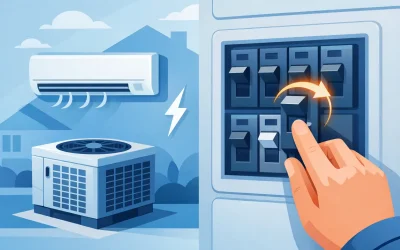
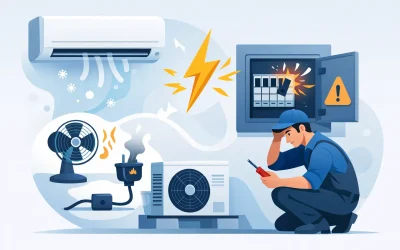
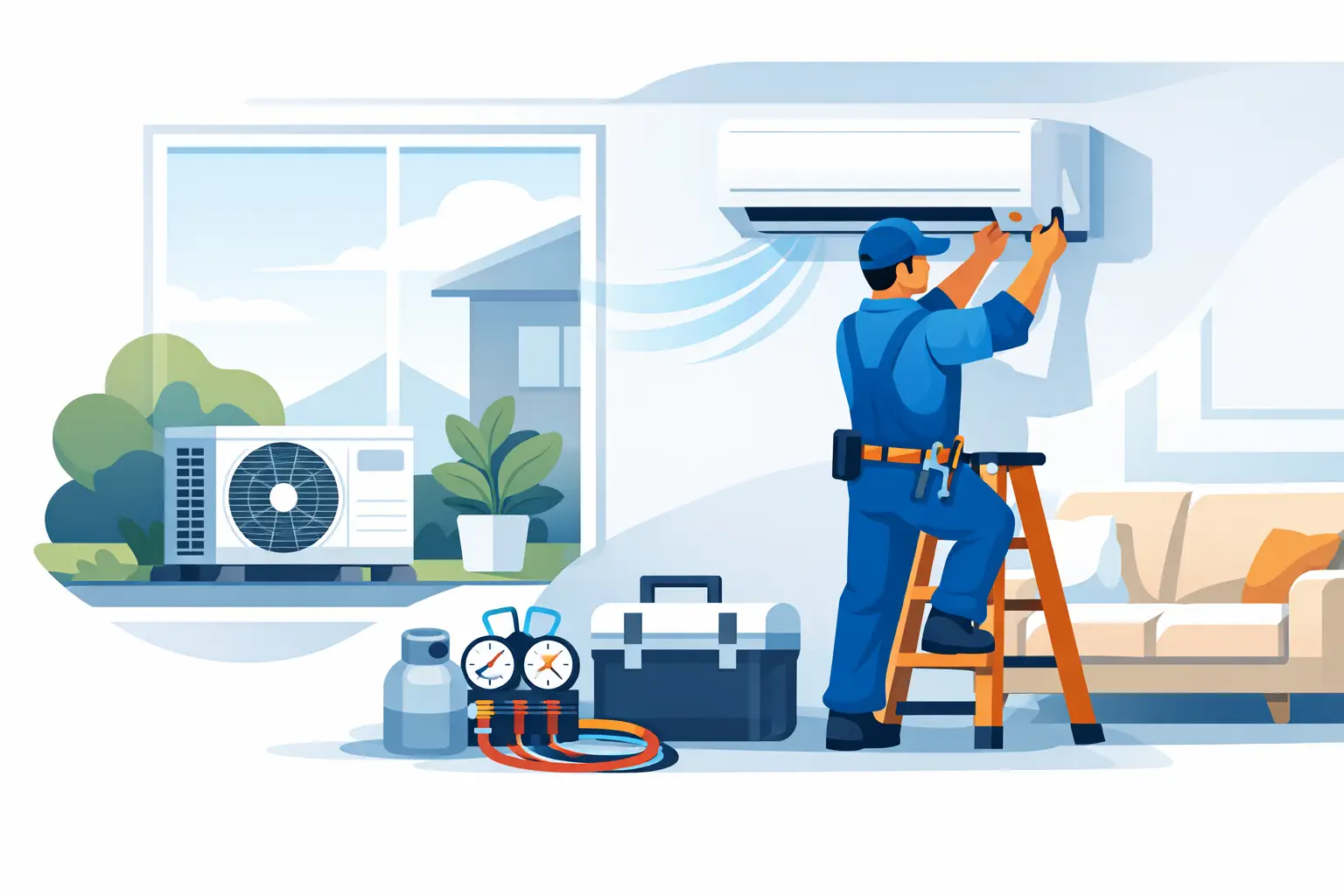
Refrigerant pipework needs to be run correctly. Indoor and outdoor units need to be positioned for airflow, drainage and service access. Electrical connections must be compliant. Condensate drainage needs to be set up properly to avoid leaks and water damage. The final commissioning also matters because that is where the installer checks operation, tests performance and confirms the system is doing what it should.
The placement of the unit inside the room also deserves more attention than people often give it. Put it in the wrong spot and you can end up with poor air distribution, hot spots, draughts on seating areas or noise where you least want it. A clean install should look tidy, work efficiently and make sense for the way the home is used.
Home air conditioning installation in Brisbane has its own considerations
Queensland homes deal with long cooling seasons, humidity and strong summer heat, so local conditions should shape the recommendation. A system that looks fine on paper may not be the right fit once real weather and real usage come into it.
Homes in Brisbane and surrounding areas also vary widely. Some have open-plan layouts and modern insulation. Others are older properties with different construction types, limited roof space or rooms that heat up fast in the afternoon. There is no single answer that suits every home.
That is why local experience counts. Installers who work across the region understand how these homes behave and what systems hold up well under the conditions. They can also flag practical issues early, whether that is switchboard capacity, condensate drainage, unit positioning or access challenges that affect the scope of the job.
The cheapest quote is rarely the cheapest outcome
Price matters. Nobody wants to overpay. But when comparing quotes, it helps to look at what is actually included.
A lower quote may leave out electrical upgrades, drainage requirements, roof work, wall brackets or commissioning. It may also be built around a system that is not ideal for the home in the first place. That can turn a cheap job into an expensive fix later.
A solid quote should be clear about the system being supplied, where it will be installed, what works are included and whether there are any likely variations. You want straight answers, not vague allowances that become a problem once the job starts.
What to expect from a professional installation process
The process should feel organised from the start. First comes the site assessment and system recommendation. From there, you should receive a clear scope and pricing, along with advice on what system best suits your needs and budget.
On installation day, the team should arrive prepared, work cleanly and treat the property with respect. Once the unit is installed, they should test it, explain how to use it and make sure you understand the basics of operation and maintenance. If something needs follow-up, that should be communicated clearly rather than left hanging.
For homeowners, responsiveness matters just as much as technical skill. If you are installing air conditioning before summer, replacing a failed unit or upgrading an older system, you want a team that turns up, does the job properly and stands behind the work.
Don’t forget servicing after installation
A new system still needs ongoing care. Filters need cleaning, components need checking and performance should be monitored over time, especially in high-use households. Regular servicing helps protect efficiency and can catch small issues before they turn into costly repairs.
That matters even more in Queensland conditions where systems work hard for long stretches. Preventative maintenance is not just for large commercial sites. It is one of the simplest ways to protect residential comfort and keep your system running as it should.
A dependable installer will usually think beyond the day of install. They will consider service access, future maintenance and what support looks like if something goes wrong down the track. That is part of doing the job properly.
When you are weighing up home air conditioning installation, the real question is not just which unit to buy. It is who you trust to size it correctly, install it cleanly and set your home up for reliable comfort in the months and years ahead. Big Dog Mechanical takes that approach seriously because a good install should keep working long after the paperwork is done.