When an air conditioner fails on a 34-degree Brisbane afternoon, the problem usually started well before the breakdown. Dirty coils, worn belts, blocked drains, loose electrical connections – these issues build quietly until comfort drops, energy use climbs, or the whole system stops. That is exactly why people ask what is preventive maintenance programs, and whether they are worth it. In practical terms, they are planned servicing schedules designed to keep HVAC systems running safely, efficiently and reliably before faults turn into expensive callouts.
For homeowners, that means fewer surprise breakdowns and better day-to-day comfort. For facility managers and business owners, it means less downtime, lower operating costs, stronger asset performance and fewer compliance headaches. The principle is simple: fix small issues early, keep the system clean and tuned, and avoid running expensive equipment into the ground.
What is preventive maintenance programs in HVAC?
A preventive maintenance program is a scheduled plan for inspecting, cleaning, testing and servicing an air conditioning or mechanical system at set intervals. Rather than waiting for something to fail, the system is checked and maintained based on time, usage, condition and operating demands.
In HVAC, that can include split systems, ducted air conditioning, VRV and VRF systems, package units, ventilation systems and central plant equipment. The exact scope depends on the size of the system, how hard it works, the age of the equipment and the environment it operates in.
For example, a residential split system in a clean home may need a very different maintenance schedule to a commercial unit serving a kitchen, school, aged care site or busy office. Both need servicing, but the risk profile is not the same. A one-size-fits-all plan usually misses the mark.
What a preventive maintenance program actually includes
A proper program is more than a quick filter clean. It is a structured service approach built around system reliability and performance.
In most cases, maintenance includes checking filters, coils, fans, drains, refrigerant levels, controls, thermostats, electrical components, motors and belts where fitted. Technicians also assess operating pressures, temperatures and airflow to spot issues that are not obvious yet but are heading in the wrong direction.
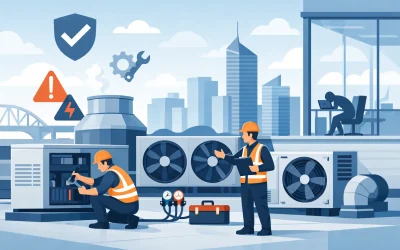
For commercial sites, the program may also include asset registers, service reporting, hygiene cleaning, compliance checks and recommendations for repairs or upgrades. That matters because larger sites often need visibility across multiple units, not just a basic service note saying the system was looked at.
A good maintenance visit should answer three questions clearly. Is the system safe to run? Is it performing as it should? And is anything likely to fail before the next service interval?
Why preventive maintenance matters more than people think
Most HVAC systems do not fail out of nowhere. They decline in stages. Efficiency drops first. Then comfort becomes inconsistent. Then components start working harder than they should. Finally, a part fails and what could have been a routine service job becomes an urgent repair.
Preventive maintenance interrupts that cycle. Clean filters and coils improve airflow and heat transfer. Tight electrical connections reduce the risk of faults. Drain checks help prevent water leaks and internal damage. Early identification of worn parts can stop a compressor, fan motor or control issue from becoming a much larger expense.
There is also the energy side of it. A neglected system often has to work harder to deliver the same result. That means longer run times, higher power bills and more wear on key components. In a commercial setting, where systems may run for long hours or across multiple zones, poor maintenance can quietly chew through the budget.
The business case for commercial properties
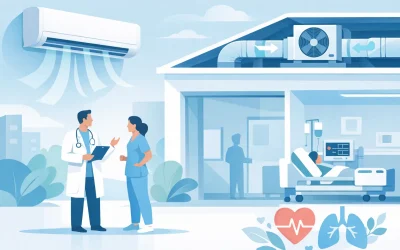
For commercial clients, preventive maintenance is not just about comfort. It is about operations. If a café loses cooling, customer experience suffers. If an office loses air conditioning, staff productivity can drop fast. In education, healthcare or aged care environments, poor HVAC performance can create bigger operational and duty-of-care issues.
A maintenance program gives site managers a more controlled way to manage risk. It helps reduce reactive callouts, supports cleaner reporting, and extends the usable life of plant and equipment. It also gives decision-makers a better view of which assets are worth repairing and which ones are becoming too costly to keep.
That said, not every site needs the same level of servicing. A small retail tenancy has different requirements to a large multi-system commercial building. The right program is based on equipment type, occupancy, criticality and budget. Good maintenance planning is practical, not excessive.
Why homeowners benefit too
Residential customers sometimes think maintenance is only for commercial systems, but that is not the case. Home air conditioning systems in Queensland often work hard for long stretches of the year. Dust, humidity and regular use can all affect performance.
A routine maintenance program helps keep the system efficient, improves air quality through proper cleaning, and reduces the chance of losing cooling when you need it most. It can also highlight installation issues, drainage problems or early wear that may not be obvious from the lounge room.
There is a cost trade-off, of course. Some homeowners only want service when there is a fault. That can work for a while, especially on newer systems. But older systems, heavily used systems and ducted setups usually benefit from more consistent attention. Waiting until something breaks is often the more expensive path over time.
Preventive vs reactive maintenance
The easiest way to understand the value is to compare it with reactive maintenance. Reactive maintenance means doing nothing until the unit stops, leaks, trips, smells, loses capacity or starts making a racket.
That approach can seem cheaper on paper because you are not paying for scheduled servicing. In reality, it often leads to higher repair costs, greater inconvenience and more downtime. Emergency callouts are rarely well timed, and major failures usually come with more disruption than a planned service visit.
Preventive maintenance is about staying ahead of the problem. It does not guarantee that every breakdown will be avoided, because parts can still fail unexpectedly. But it dramatically improves the odds of catching issues before they become urgent.
Signs a property needs a maintenance program
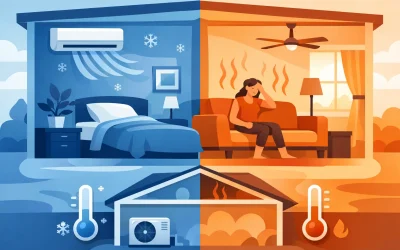
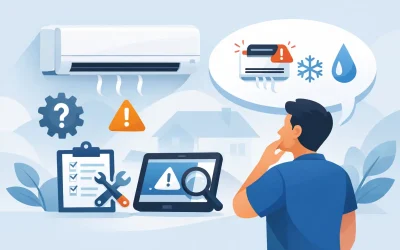
If an HVAC system is showing uneven temperatures, poor airflow, rising energy bills, unusual noise, bad odours or repeated faults, maintenance is overdue. The same applies if service history is patchy, filters are visibly dirty, or no one can remember the last proper inspection.
For commercial properties, another red flag is lack of documentation. If there is no clear record of what equipment is on site, what has been serviced and what condition it is in, maintenance becomes reactive by default. That makes budgeting and planning harder than it needs to be.
For homeowners, a simple test is this: if the system runs often and has not had professional attention in a long time, it is probably not operating at its best.
How often should HVAC maintenance be done?
It depends on the system and the site. Residential systems are commonly serviced annually, though some households benefit from more frequent attention if the unit is heavily used or the environment is dusty. Commercial systems often require more regular visits, particularly where equipment runs daily or supports critical operations.
High-demand sites such as hospitality venues, healthcare settings and larger facilities may need quarterly servicing or a tailored schedule based on asset condition and usage. The right frequency is the one that matches the actual demands on the system, not a generic calendar reminder.
This is where an experienced HVAC team adds real value. A proper program should reflect the equipment, the building and the consequences of downtime.
What a good provider should deliver
A preventive maintenance program should be clear, tailored and accountable. You should know what is being serviced, how often it will be checked, what reporting you will receive and how urgent issues will be handled.
For commercial customers, that usually means a planned schedule, asset visibility, practical recommendations and responsive repair support when something needs attention. For residential customers, it means dependable servicing, honest advice and clean, efficient work that keeps the system performing properly.
At its best, preventive maintenance is not about selling extra visits. It is about protecting your equipment, reducing avoidable costs and making sure your air conditioning does its job when you need it to.
If you are still weighing up whether a maintenance program makes sense, start with the real question: what does a breakdown cost you in comfort, downtime or disruption? Once you look at it that way, planned maintenance stops being an optional extra and starts looking like common sense.