One failed air conditioner on a 34 degree Brisbane afternoon can throw out an entire day. For a homeowner, that means a hot house and a rushed repair call. For a business, it can mean uncomfortable staff, unhappy customers, lost trade or compliance headaches. That is where preventative maintenance versus reactive repairs becomes a real business and household decision, not just a servicing preference.
For HVAC systems, waiting until something breaks usually feels cheaper right up until it is not. Preventative maintenance is planned work carried out before faults turn into breakdowns. Reactive repairs happen after the system has already failed or performance has dropped enough to force action. Both have a place, but they do not carry the same cost, risk or outcome.
Preventative maintenance versus reactive repairs in real terms
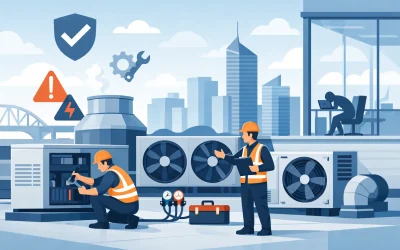
Preventative maintenance is the steady, planned approach. It includes scheduled inspections, coil cleaning, filter changes, electrical checks, drain clearing, refrigerant checks, hygiene cleaning and performance testing. The aim is simple – keep the system operating safely, efficiently and reliably.
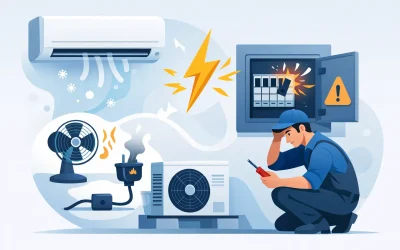
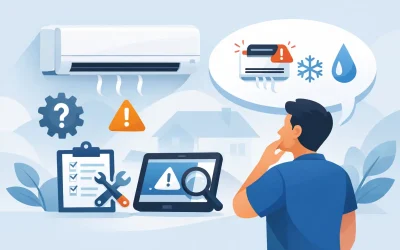
Reactive repairs are exactly what they sound like. A unit stops cooling, starts leaking, trips power, makes unusual noise or throws a fault code, and then a technician is called out to diagnose and fix the problem. In some cases, a reactive repair is unavoidable. Components wear out, storms hit, power issues happen and older systems fail without much warning.
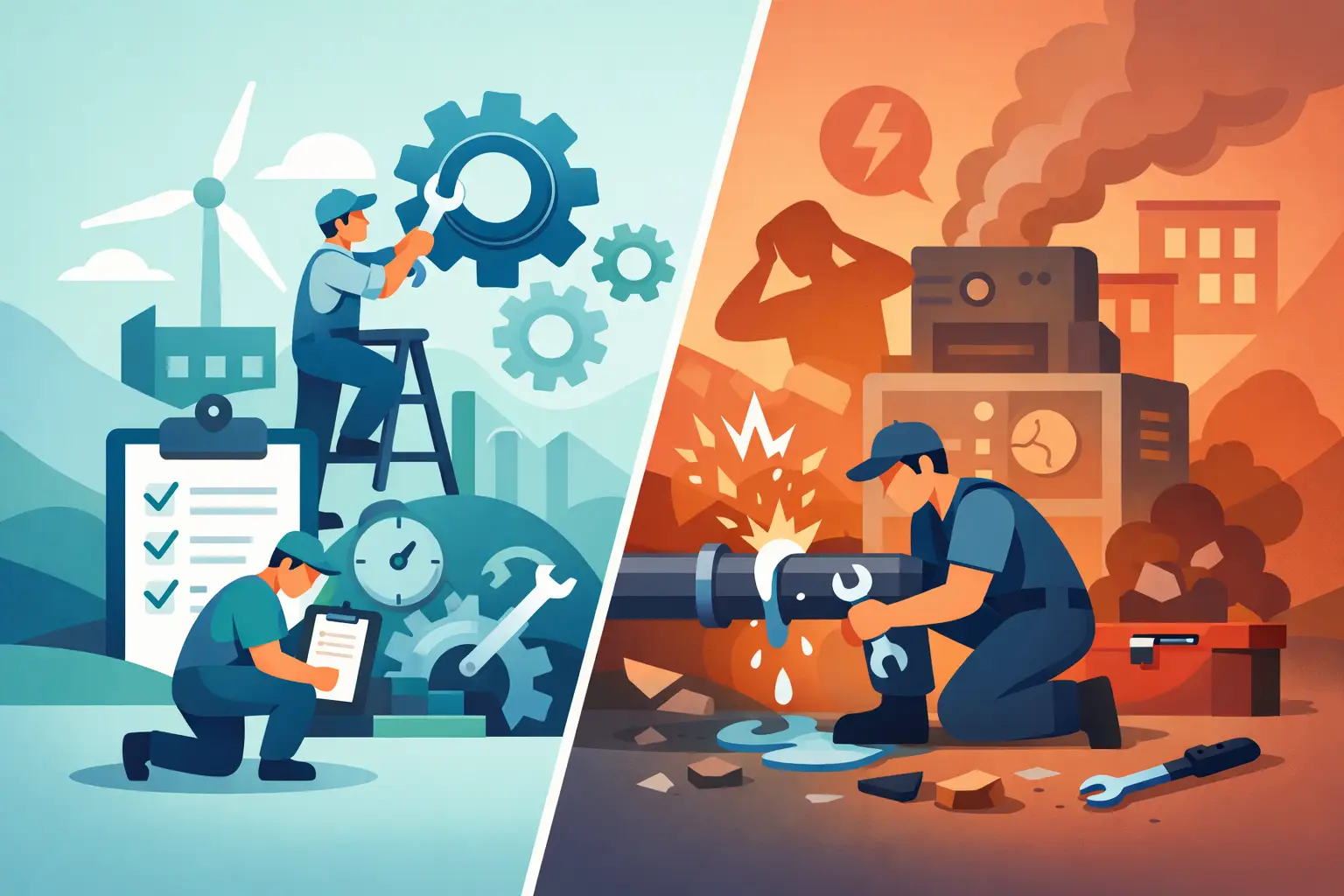
The difference is that preventative maintenance gives you more control. Reactive repairs hand the timing over to the equipment.
Why reactive repairs often cost more than expected
A lot of property owners look at routine servicing and see an expense they might be able to defer. That is understandable. The issue is that breakdown costs are rarely limited to the repair itself.
When an HVAC system fails, there is usually a chain reaction. Emergency callout fees can apply. Parts may not be immediately available. Temporary loss of cooling can affect comfort, productivity or tenant satisfaction. In commercial sites, downtime can interfere with operations, stock conditions or site obligations. In homes, a simple fault left too long can force other parts of the system to work harder, creating a larger repair than the original issue.
There is also the energy side of it. Systems that are dirty, restricted or drifting out of spec often keep running, just badly. They draw more power to deliver less cooling. That means you may be paying the penalty for poor performance well before the unit actually breaks down.
Reactive repairs are not always avoidable, but relying on them as the main strategy tends to be expensive over time.
Where preventative maintenance delivers real value
The strongest argument for preventative maintenance is not that it eliminates every fault. It does not. The value is that it lowers the chance of sudden failure, improves efficiency and gives you visibility before problems become urgent.
For commercial clients, that visibility matters. A facility manager or business owner needs to know whether equipment is tracking properly, whether assets are ageing out, and where future spend is likely to land. Planned maintenance helps turn HVAC from a surprise cost into something that can be managed.
For homeowners, the benefit is often simpler but just as important. A serviced split system or ducted unit is more likely to cool properly in summer, circulate cleaner air and avoid that classic scenario where the system fails when you need it most. It is also easier to plan a service than it is to scramble for an urgent repair during a heatwave.
There is a safety and compliance angle as well. Electrical issues, blocked drains, mould growth and neglected plant can create risks that go beyond comfort. In some commercial environments, routine maintenance supports broader site obligations around air quality, safe operation and equipment condition.
Efficiency, lifespan and reliability are connected
HVAC systems do not usually go from perfect to failed overnight. Most problems build gradually. Filters clog. Fans collect dust. Drains start to back up. Connections loosen. Refrigerant issues reduce output. Each small problem chips away at efficiency and puts extra strain on components.
That strain shows up in higher running costs and shortened equipment life. A system that has to work harder for the same result will wear faster. Preventative maintenance interrupts that cycle. It keeps the basics under control so the expensive parts are not carrying avoidable load.
When reactive repairs still make sense
Not every site needs the same maintenance plan, and not every system justifies major ongoing spend. That is where some balance is needed.
If a residential unit is older, lightly used and already nearing replacement age, an owner may decide to keep it going with repairs only and put money aside for a new system. That can be a reasonable call if everyone understands the risk of sudden failure.
The same applies in some commercial cases. A non-critical unit in a low-impact area may not need the same level of servicing as equipment that supports server rooms, patient areas, classrooms, hospitality venues or occupied offices. The right strategy depends on how critical the system is, how old it is, how hard it works and what a breakdown would actually cost the site.
Reactive repairs make sense as a response. They are far less effective as a long-term plan.
How to choose the right approach for your property
The best decision usually comes down to four practical questions.
First, how critical is the system? If failure would stop operations, create safety concerns or make the building hard to occupy, preventative maintenance should be the default.
Second, what condition is the equipment in now? A newer system under warranty may need routine servicing mostly to protect performance and manufacturer requirements. An older system may need more frequent checks or a staged replacement plan.
Third, what does downtime cost you? For some homeowners, a breakdown is a serious inconvenience. For a business, it can affect revenue, staff comfort, stock, customers and reputation. Once downtime has a real dollar value, maintenance usually looks far more sensible.
Fourth, do you need better asset visibility? Commercial operators often benefit from audits, service records and condition reporting because they help with budgeting and reduce nasty surprises.
A sensible middle ground
This is not always an either-or decision. Many sites benefit from a mixed approach – planned maintenance for key systems, with reactive repairs used when isolated faults still occur. That approach gives you a stronger baseline without over-servicing equipment that does not need it.
For example, a business might maintain central plant and high-use packaged units on a schedule, while taking a lighter approach with low-use ancillary spaces. A homeowner might book annual servicing for a ducted system but accept that an ageing bedroom split may only be repaired if the numbers stack up.
That is usually the most practical answer. Spend where reliability matters most.
Preventative maintenance versus reactive repairs for Brisbane conditions
In South East Queensland, air conditioning systems often work hard for long stretches of the year. Heat, humidity, dust and storm season all add pressure. That makes small issues harder to ignore. Blocked drains, dirty coils and declining performance can show up quickly when systems are running frequently.
For that reason, preventative maintenance versus reactive repairs is not just a theory question in Brisbane homes and commercial buildings. Local conditions tend to favour regular servicing, especially for high-use systems. The heavier the demand, the less margin there is for neglected equipment.
A planned maintenance program also helps avoid the seasonal rush. When temperatures climb, repair demand spikes. If your system fails during peak periods, you are joining the queue with everyone else.
What good maintenance should actually include
Not all servicing is equal. A quick once-over that ignores performance, hygiene and wear points does not give much protection. Good HVAC maintenance should be tailored to the system type, usage and environment.
For residential systems, that often means cleaning, checking airflow, inspecting electrical components, testing operation, clearing drains and identifying early signs of wear. For commercial systems, the scope may extend further into asset condition, controls, belts, motors, compliance considerations and detailed reporting.
The point is not to create unnecessary work. It is to identify what matters, deal with preventable issues early and keep the system operating the way it should.
If you are weighing up where to spend your money, start with the cost of failure rather than the cost of service. That usually gives you the clearest answer. A smart maintenance plan will not stop every repair, but it will reduce the odds of sudden breakdowns, lower wasted energy and give you a better handle on what your system needs next. For most homes and businesses, that is a far better position to be in than waiting for the unit to make the decision for you.