A failed air conditioning system in a commercial building rarely gives you much warning. One day the site feels fine, the next you have staff complaints, uncomfortable customers, rising power use or a tenancy issue that needs attention straight away. That is why commercial aircon servicing Brisbane businesses book regularly is less about ticking a box and more about protecting uptime, comfort and operating costs.
For facility managers, business owners and property stakeholders, servicing is where performance is either maintained or quietly lost. Systems that are left too long between checks tend to work harder, run less efficiently and break down at the worst possible time. In Brisbane’s climate, that can become an expensive problem very quickly.
Why commercial air conditioning servicing matters
Commercial systems carry a heavier load than most people realise. They often run for longer hours, serve multiple zones and need to cope with changing occupancy, equipment heat loads and outdoor conditions. A unit in a small office has different demands to a system in hospitality, aged care, education or a mixed-use commercial property, but the risk is the same – when servicing slips, performance usually follows.
Regular servicing helps catch worn parts, dirty coils, blocked drains, airflow issues and control faults before they turn into shutdowns. It also helps keep indoor conditions stable, which matters for staff comfort, customer experience and, in some settings, compliance expectations. If you manage a site where temperature control affects operations, stock, equipment or resident wellbeing, reactive maintenance alone is not enough.
There is also the energy side. Air conditioning that is struggling through dust build-up, poor refrigerant charge, failing fans or neglected filters will generally draw more power to deliver less comfort. That does not always show up as a sudden spike. More often, it creeps in over months through higher bills and weaker performance.
What good commercial aircon servicing in Brisbane should include
Not all servicing is equal. A quick visual check and a rinse of accessible parts may be better than nothing, but it is not the same as a proper commercial maintenance visit. The right scope depends on the system type, age, usage and site conditions.
System checks that go beyond a basic clean
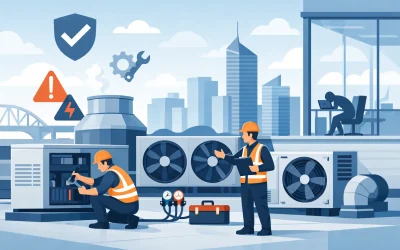
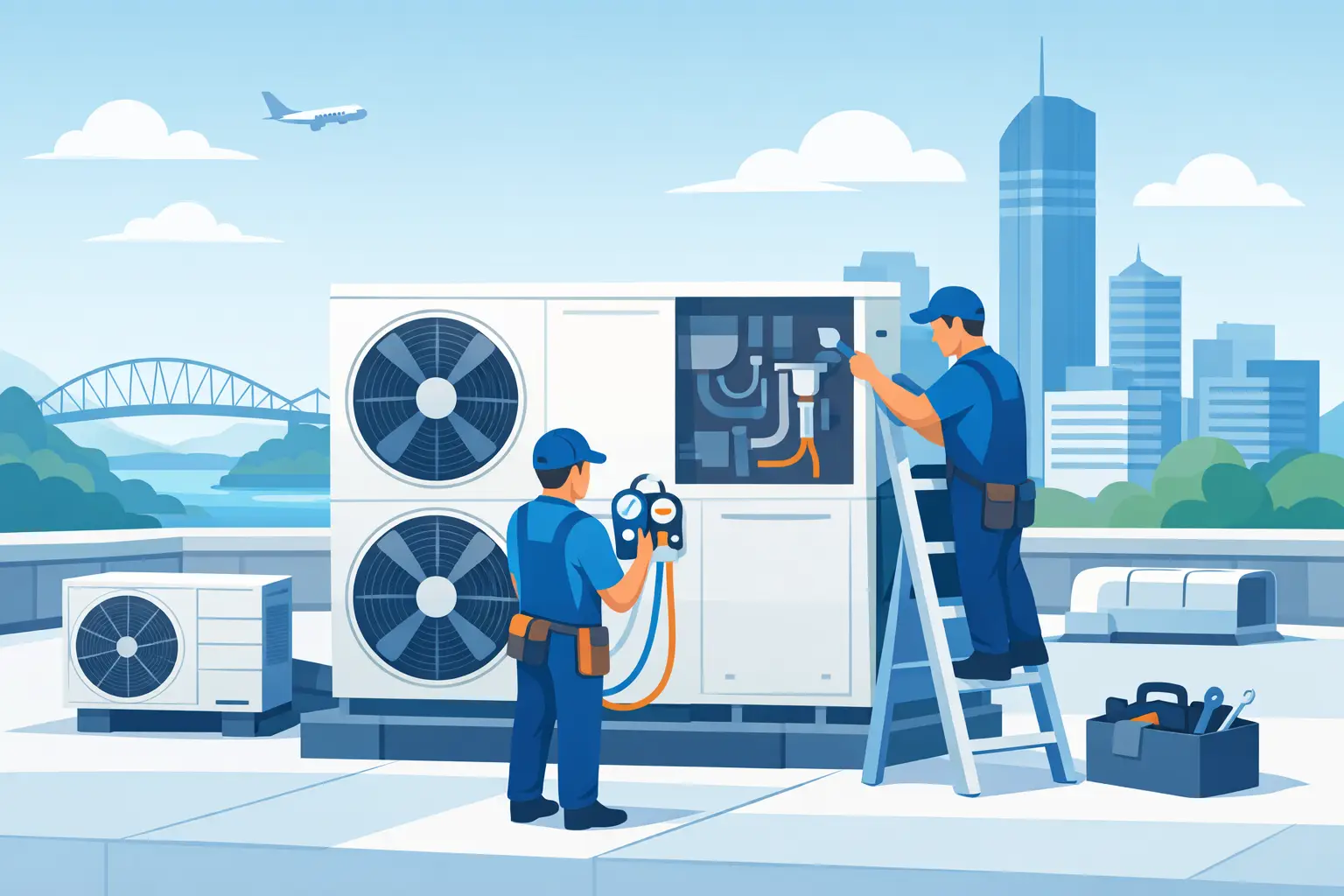
A solid service should look at how the system is actually operating, not just whether it turns on. That typically includes checking filters, coils, fans, motors, drains, electrical connections, controls, temperatures and general condition. On larger or more complex systems such as VRV, VRF or central plant, servicing should also consider staging, control logic, plant performance and any early signs of component stress.
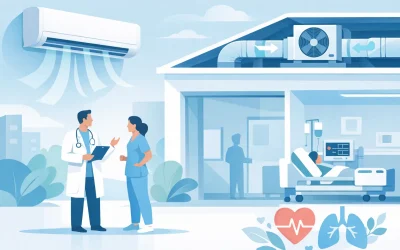
Cleaning remains important, especially in Brisbane where dust, humidity and general environmental load can build up fast. Hygiene cleaning can be particularly relevant in healthcare, aged care, education and hospitality settings where indoor air quality and presentation matter. But cleaning without proper testing only tells part of the story.
Preventative maintenance, not just fault response
The best servicing programs are built around prevention. That means planned visits at intervals that match the building and equipment, rather than waiting until summer exposes a problem. A retail tenancy with steady customer traffic may need a different approach to a warehouse office or a school administration building.
This is where tailored maintenance matters. Over-servicing can waste money. Under-servicing can cost far more in breakdowns, tenant disruption and shortened equipment life. A good contractor will assess the site, explain what is actually needed and build a realistic schedule around risk, usage and budget.
Commercial sites in Brisbane have different servicing pressures
Brisbane conditions are hard on HVAC equipment. Long cooling seasons, humidity, storm activity and airborne dust all add wear. If your system is near kitchens, loading areas, high-traffic entries or plant exposed to the elements, the maintenance burden can be higher again.
Hospitality venues often deal with grease, odours and fluctuating occupancy. Education facilities may have seasonal peaks, multiple zones and strict expectations around classroom comfort. Aged care environments usually need dependable temperature control with minimal disruption. Office and mixed-use properties often sit somewhere in the middle, balancing tenant satisfaction with budget and energy use.
That is why commercial aircon servicing Brisbane property managers choose should never be one-size-fits-all. Two buildings with similar floor area can still need very different maintenance plans depending on equipment condition, tenancy use and how critical the air conditioning is to daily operations.
Signs your site needs servicing sooner, not later
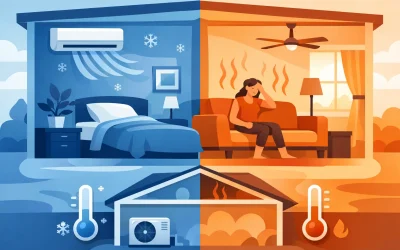
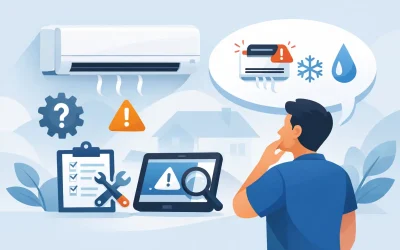
Some issues are obvious, such as poor cooling, bad smells or water leaks. Others are easier to miss until they become larger faults. If parts of the building are hot while others are freezing, if the system is cycling strangely, if staff are reporting airflow issues, or if your energy use has drifted up without another clear cause, it is worth investigating.
Noise is another common clue. Rattling, humming, vibration and fan noise can point to wear, loose components or airflow restrictions. So can repeated nuisance alarms or controls that do not respond as they should. Even if the unit is still running, these are often signs that the system is under strain.
It also pays to look at maintenance history. If no one can tell you when filters were last changed, coils were last cleaned or plant was last properly tested, there is a fair chance servicing has fallen behind.
The value of asset visibility and planned support
For larger sites or multi-property portfolios, servicing is not only about the equipment itself. It is also about knowing what you own, what condition it is in and where money should be spent first. Asset audits can help identify ageing systems, recurring faults, deferred maintenance and upgrade priorities.
That is useful for budgeting because not every issue needs immediate replacement. In some cases, a system with the right repairs and maintenance can continue to perform well. In others, ongoing callouts are a sign that replacement or staged upgrades will be more cost-effective. The right answer depends on the age of the plant, parts availability, efficiency and how important that system is to site operations.
A dependable HVAC partner should be able to handle both ends of that conversation – keeping current equipment running well and advising clearly when repair no longer makes commercial sense.
Choosing a provider for commercial aircon servicing Brisbane businesses can rely on
Price matters, but commercial servicing is one area where the cheapest option can create expensive problems later. What you want is a provider with the technical range to work across the systems you actually have, whether that is split systems, ducted units, VRV or VRF equipment, or larger central plant.
Responsiveness matters too. A maintenance company that is hard to reach when a fault becomes urgent is not much use. Look for a team that can provide scheduled servicing, clear reporting, practical recommendations and fast breakdown support when things go wrong.
Local experience is another advantage. A contractor working across Brisbane understands the climate, the common failure points and the pace commercial clients need. If they also support a broad mix of sectors, they are more likely to understand the pressures around compliance, occupant comfort and downtime.
This is where a business like Big Dog Mechanical fits well. The strength is not just servicing in isolation, but the ability to back it with repairs, hygiene cleaning, audits, upgrades and ongoing support when your site needs more than a routine visit.
When repair, cleaning or upgrades make more sense
Servicing is essential, but it is not always the whole answer. If a system has been neglected for years, a standard maintenance visit may reveal deeper issues that need repair work before performance improves. If indoor air quality or odour problems are present, hygiene cleaning may be the bigger priority. If a plant is repeatedly failing and consuming too much energy, an upgrade path may offer better long-term value.
That does not mean every older system should be replaced. Plenty of commercial equipment can continue operating reliably with the right care. The point is to get honest advice based on condition, not guesswork. Good service providers do not push replacement by default. They explain the trade-offs and let you make a decision with clear information.
A practical approach to better HVAC performance
If you are responsible for a commercial property, the smartest move is usually simple: do not wait for peak summer or the next breakdown to find out what condition the system is in. Start with a proper inspection, understand the current risks, and put a servicing plan in place that matches the building.
That approach gives you more control over costs, fewer surprises and a better chance of keeping tenants, staff and customers comfortable year-round. In Brisbane, air conditioning is not a luxury item for commercial sites. It is part of keeping the place running as it should. Treat it that way, and it will usually return the favour.