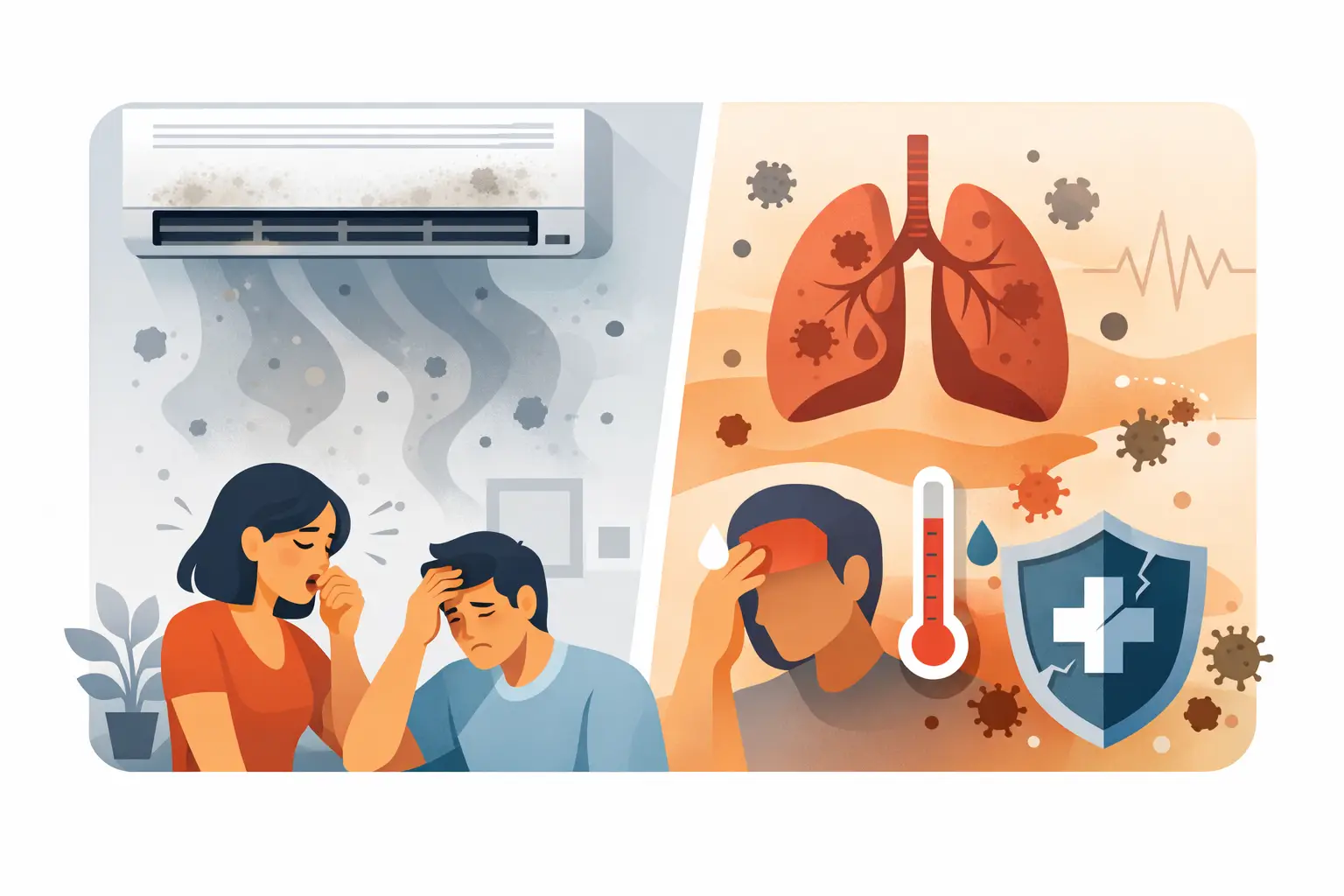
If your air conditioner smells musty when it starts, blows weak airflow, or leaves rooms feeling damp, the question isn’t just about comfort. Can dirty aircon affect health? Yes, it can – particularly when dust, mould, bacteria and built-up grime are left sitting inside a system that runs every day.
That does not mean every unclean unit is suddenly dangerous, and it does not mean every cough or headache in a home or workplace is caused by the air con. But a poorly maintained system can absolutely make indoor air quality worse, and that matters in Brisbane homes, offices and commercial spaces where air conditioning does a lot of heavy lifting for much of the year.
How dirty aircon starts affecting the air you breathe
An air conditioner does more than cool a room. It pulls air through filters and internal components, removes some moisture, and recirculates conditioned air back into the space. When those filters, coils, drain trays and fan components are dirty, the system can start moving contaminants around instead of managing the air properly.
Dust is the obvious one. Filters clogged with dust stop doing their job well, and some of that material can end up back in the air. Then there is moisture. When condensation combines with dirt inside the unit, it creates the kind of environment where mould and microbial growth can take hold.
That is where health concerns become more serious. You are not just dealing with a machine that is less efficient. You are dealing with a system that may be circulating irritants through the rooms where people sleep, work, study or wait.
Can dirty aircon affect health in real terms?
For most people, the first signs are mild but annoying. Dry throat, sneezing, irritated eyes, headaches, stale odours and a general feeling that the room is stuffy or unpleasant. These symptoms are easy to dismiss because they can also come from seasonal allergies, poor ventilation or general dust in the building.
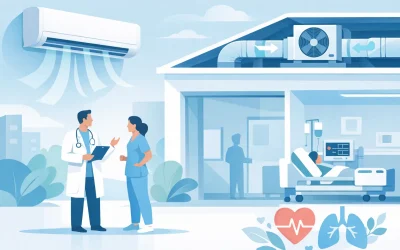
The bigger issue is that dirty air conditioning can aggravate existing conditions. People with asthma, allergies or other respiratory sensitivities often feel the impact first. In commercial settings such as aged care, education, hospitality or offices, that matters even more because you may have a lot of people sharing the same air.
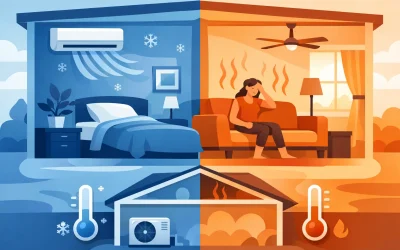
Poorly maintained systems can also contribute to excess humidity or uneven cooling. That may not sound like a health issue at first, but damp indoor environments can encourage mould growth elsewhere in the property as well. Once that starts, the problem moves beyond the unit itself.
So yes, dirty aircon can affect health, but the severity depends on what is inside the system, how long it has been left, how often it runs, and who is exposed to it.
The main health risks linked to dirty systems
Dust and allergen build-up
A filter packed with dust, pet hair and general airborne particles is less effective at trapping irritants. Instead of supporting cleaner indoor air, it restricts airflow and can allow contaminants to remain in circulation. For households with pets or high foot traffic, this tends to build up faster than people expect.
Mould inside the unit
Mould is one of the most common concerns in neglected systems, particularly in humid conditions. If an air conditioner is not draining properly or is left with moisture on internal surfaces, mould spores can spread through the air each time the system runs. That can trigger allergy-like symptoms and worsen respiratory discomfort.
Bacteria and microbial growth
Not every dirty unit develops harmful bacteria, but stagnant water and organic build-up inside drain pans and internal components are not something you want ignored. In commercial environments, especially where compliance and occupant wellbeing matter, hygiene cleaning is not just about presentation. It is part of responsible system care.
Reduced ventilation and stale indoor air
When airflow drops off, rooms can feel heavy, humid and poorly ventilated. That can lead to discomfort, tiredness and a noticeable drop in air quality. In workplaces, that often shows up as complaints about stuffiness or uneven temperatures before anyone realises the system needs attention.
What a dirty air conditioner usually looks like
Most systems give warning signs before the problem gets severe. The mistake is waiting until the unit stops cooling altogether.
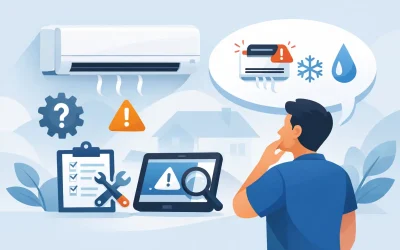
A musty smell is one of the clearest indicators that the system needs inspection. Other common signs include weak airflow, visible dust around vents, water leaks, unusual noises, inconsistent temperatures, and a spike in power bills. If a unit cycles longer than usual to achieve the same result, there is often a build-up issue reducing efficiency.
For homeowners, the indoor head unit of a split system is usually where signs become obvious first. In larger commercial systems, the problem may be less visible because the equipment is hidden above ceilings or in plant areas. That is why preventative maintenance matters more in those settings. If no one is checking the system properly, hygiene issues can go unnoticed for a long time.
Why Brisbane conditions make servicing more important
Queensland conditions are hard on air conditioning. Heat, humidity, storm season, dust and long run times all add pressure to the system. Moisture does not need much encouragement to become a mould issue, particularly in units that are short-cycling, draining poorly, or overdue for cleaning.
That does not mean every home or business needs the same maintenance schedule. A lightly used residential split system and a heavily used commercial setup in hospitality or aged care are very different. Usage patterns, occupant numbers, site conditions and system type all affect how quickly dirt and biological growth build up.
Still, the general rule is simple. The more your system runs, the more important regular servicing becomes – not just for efficiency and breakdown prevention, but for the quality of the air moving through the building.
What cleaning helps and what does not
There is a difference between basic upkeep and proper servicing. Cleaning the visible filter on a wall split system is a good habit and absolutely worth doing, but it is not the same as a full inspection and hygiene clean.
A proper service checks the components that homeowners and site staff usually do not reach or should not dismantle themselves. That can include coils, fans, drain lines, electrical checks, airflow performance and signs of mould or water issues. In commercial systems, the scope can be broader again depending on the plant and compliance requirements.
Spraying deodoriser into a musty unit is not a fix. Neither is wiping the outside cover and calling it done. If the smell keeps returning, there is usually something inside the system that needs proper attention.
When health concerns should be taken seriously
If people in the space are repeatedly experiencing coughing, sneezing, headaches, throat irritation or worsened asthma symptoms when the air con is on, it is worth investigating the system instead of guessing. The same applies if there is visible mould, recurring water leakage, or a strong odour from the unit.
For businesses, there is also a duty of care angle. If staff, residents, students or customers are spending hours in a conditioned environment, HVAC hygiene and performance are operational issues, not optional extras. A system that is dirty, underperforming or poorly maintained can create complaints, downtime and avoidable risk.
For homeowners, the decision is usually more straightforward. If the unit is not smelling right, not cooling right, or has not been professionally serviced in far too long, get it checked before the problem becomes bigger and more expensive.
The practical way to reduce the risk
The best approach is not complicated. Clean user-accessible filters as recommended for your system and usage level. Book regular professional servicing. Do not ignore drainage issues, bad smells or declining performance. And if the system has been left untouched for years, consider a proper hygiene clean rather than a basic once-over.
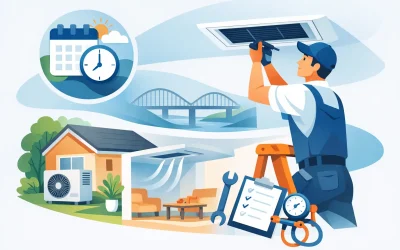
This is where working with an experienced local HVAC team makes a difference. A good technician is not just there to top up cooling and leave. They should be looking at airflow, cleanliness, condition, drainage, wear, and whether the system is operating as it should for the space.
Big Dog Mechanical sees this regularly across residential and commercial sites – units that are technically still running, but not delivering clean, healthy or efficient performance. Catching those issues early usually means a simpler fix and a better result for the people using the space.
A clean air conditioner will not solve every indoor air quality problem, but a dirty one can definitely make things worse. If your system has started showing the signs, it is worth acting before comfort turns into a health complaint.