If your air conditioning fails an inspection, starts affecting indoor air quality, or creates a safety risk for staff and tenants, the problem usually started well before the breakdown. A proper commercial HVAC compliance guide helps you stay ahead of those issues by treating compliance as part of day-to-day asset management, not a last-minute scramble when something goes wrong.
For commercial sites across Brisbane and wider Queensland, compliance is tied to more than just keeping a building cool. It affects workplace safety, asset life, energy performance, occupant comfort and your ability to show that systems are being maintained properly. For facility managers, landlords and business operators, that means the HVAC system needs to be clean, serviceable, documented and fit for purpose.
What commercial HVAC compliance really covers
Compliance is often misunderstood as one checklist or one annual visit. In practice, it is a mix of legal obligations, manufacturer requirements, site risk controls and documented maintenance standards. What applies to your building depends on the type of site, the equipment installed and how the space is used.
A small office with split systems does not carry the same risk profile as an aged care facility, school, hospitality venue or large commercial tenancy with packaged units, VRF systems or central plant. The more people rely on the system, and the more sensitive the environment, the tighter your maintenance and reporting needs to be.
At a practical level, commercial HVAC compliance usually comes down to a few non-negotiables. The system must operate safely. It must be maintained to an acceptable standard. Any faults that affect safety, performance or hygiene need to be identified and acted on. And there must be records to show what was inspected, serviced, repaired and recommended.
A commercial HVAC compliance guide for QLD sites
Queensland businesses need to think about compliance through a local lens. High heat, humidity and long cooling seasons put extra pressure on commercial systems. That creates more wear on components, more condensate-related issues and a greater risk of hygiene problems if maintenance slips.
For many sites, that means compliance is not just about whether the unit turns on. It is about whether drains are clear, filters are changed on schedule, coils are clean, outdoor units have proper airflow, controls are working correctly and the plant is not operating under avoidable strain. In Queensland conditions, a neglected system can move from inefficient to unhealthy fairly quickly.
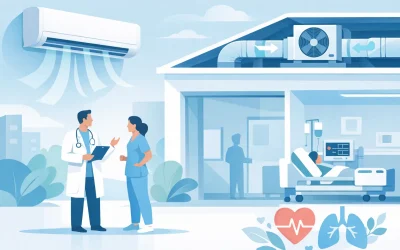
If your building includes kitchen extract, high-occupancy areas, medical consulting spaces, education settings or accommodation, the stakes are even higher. You may have additional expectations around ventilation, cleanliness, temperature control and system reliability. That is where routine inspections and asset visibility become critical.
The records that matter most
One of the biggest compliance gaps is not always the condition of the equipment. It is the lack of documentation. If there is no service history, no record of defects and no evidence of corrective action, you are exposed.
Good recordkeeping should show what equipment is on site, when it was last serviced, what condition it was in and what work was completed. It should also show outstanding defects, parts nearing end of life and any recommendations for repair or replacement.
This matters for several reasons. First, it helps you plan budgets and avoid reactive spending. Second, it gives facility teams a clearer picture of asset performance across the site. Third, if there is a complaint, incident or audit, you have evidence that the HVAC system has been managed responsibly.
An asset register, scheduled maintenance reports and clear service notes will do more for compliance than vague invoices that simply say service completed.
Maintenance is where compliance is won or lost
Most compliance failures start with deferred maintenance. Filters are left too long, drain issues are ignored, noisy motors are written off as minor, and control faults are tolerated because the unit is still running. That approach usually costs more in the long run.
Preventative maintenance gives you the best chance of staying compliant because it picks up issues before they become breakdowns, hygiene concerns or safety problems. A proper maintenance program should match the site, not just the calendar. High-use systems and sensitive environments need more attention than low-demand spaces.
That is why a fixed schedule does not suit every building. Some sites need frequent filter changes and coil cleaning. Others need closer attention on outdoor plant, electrical connections, refrigerant performance or controls integration. Compliance is stronger when the service scope reflects how the equipment is actually being used.
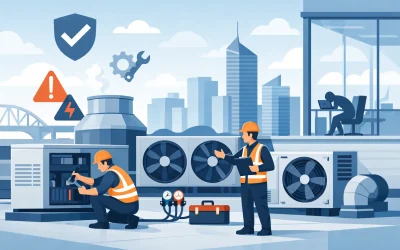
For commercial clients, this is where an experienced HVAC contractor adds value. You want a team that can look beyond basic servicing and flag the issues that affect uptime, efficiency and risk.
Hygiene and indoor air quality are part of the job
Cleanliness is often treated as a cosmetic issue. It is not. HVAC hygiene affects system efficiency, air quality and the health of the occupied space. Dirty filters, contaminated coils, blocked drains and neglected ductwork can all create compliance concerns depending on the building type.
This is particularly relevant in aged care, hospitality, education and any site where large numbers of people are sharing conditioned air. Poor hygiene can contribute to odours, moisture problems, mould risk and uneven performance across the system.
Regular hygiene cleaning is not always required at the same frequency for every site, and that is where a sensible, tailored approach matters. Over-servicing wastes money. Under-servicing creates risk. The right balance depends on occupancy, operating hours, the surrounding environment and the condition of the equipment.
Common trouble spots facility managers should watch
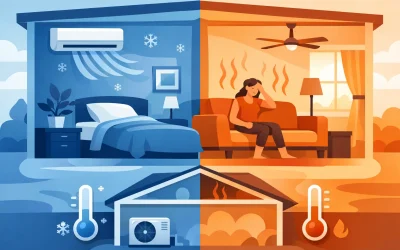
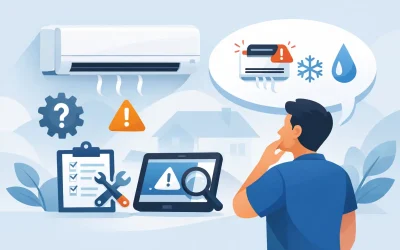
Most serious HVAC issues show warning signs before they become urgent. Rising energy use, uneven temperatures, repeated callouts, noisy operation, water leaks and complaints from occupants are all worth taking seriously. They usually point to a maintenance gap, a control problem or aging equipment.
Another common issue is carrying forward temporary fixes for too long. A unit that has needed several repairs in twelve months may still be running, but it may no longer be reliable enough for the site. Compliance is not just about keeping old plant alive. It is also about recognising when replacement or upgrade is the more responsible option.
This is especially true where obsolete systems, poor access, damaged insulation or degraded components are making maintenance harder and less effective. In those cases, an asset audit can help clarify what should be repaired, what should be monitored and what should be replaced.
Compliance, energy use and downtime are connected
A compliant HVAC system is usually a more efficient one, but not always by default. A unit can technically operate while still chewing through power, short cycling or struggling to maintain temperature. That is why compliance should be tied to performance, not treated as a box-ticking exercise.
When systems are serviced properly, airflow improves, controls work more accurately and components are less likely to fail under load. That means lower stress on the plant and fewer surprise outages. For a business, that translates to fewer disruptions for staff, customers and tenants.
There is a clear trade-off here. Spending on planned maintenance and timely upgrades can feel easier to defer, especially when budgets are tight. But reactive repairs, emergency callouts and unplanned downtime usually cost more, and they come with more operational pressure.
Choosing the right support for ongoing compliance
Not every contractor is set up for commercial compliance work. You need more than a crew that can turn up and clean filters. You need clear reporting, dependable attendance, practical recommendations and a service plan that matches your site.
That is where local experience matters. A contractor working across Brisbane commercial sites will understand the demands Queensland conditions place on equipment and the level of responsiveness many businesses need. Big Dog Mechanical works with commercial clients who need that mix of technical capability, fast support and straightforward advice.
The best compliance partner will not overcomplicate the job. They will tell you what needs attention now, what can be planned for later and what is putting the site at risk. That clarity helps you make better decisions without wasting money.
Getting ahead of compliance issues
If you are unsure whether your site is in good shape, start with the basics. Check whether your equipment list is current, whether service intervals make sense for the building, whether hygiene has been properly addressed and whether there is a clear record of defects and repairs. If any of that is missing, you likely have blind spots.
A commercial HVAC compliance guide is only useful if it leads to action. The goal is not more paperwork for the sake of it. The goal is a system that runs safely, performs properly and holds up under real operating conditions.
The smartest move is usually the simplest one – treat compliance as routine maintenance with accountability behind it, and small issues are far less likely to turn into expensive ones.