A lot of air conditioning problems start before the system is even switched on. The wrong unit size, poor indoor placement, messy pipe runs, or a rushed install can leave you with hot spots, higher power bills and a system that never quite feels right. This residential aircon installation guide is built for Brisbane and Queensland homeowners who want the job done properly the first time.
Getting a new air conditioner installed is not just about picking a brand and finding the cheapest quote. It is about matching the system to the home, the way you live in it, and the conditions it has to handle through summer. A good installation should give you reliable cooling, efficient performance and straightforward servicing down the track.
What matters before installation starts
The first decision is the type of system. For most homes, that comes down to split system or ducted air conditioning. Split systems suit single rooms, home offices, bedrooms and smaller open-plan areas. They are usually faster to install and more budget-friendly upfront. Ducted systems are better when you want whole-home coverage, cleaner aesthetics and zone control across multiple rooms.
There is no one-size-fits-all answer. A split system can be the smartest option for a smaller house or for targeting the rooms you use most. Ducted can make more sense in a larger family home where consistent comfort matters and you want better control over how different areas are cooled.
The second decision is capacity. This is where many homeowners get caught out. Too small, and the system runs hard without properly cooling the room. Too large, and it can cycle too quickly, waste energy and struggle to manage humidity well. The right size depends on room dimensions, ceiling height, insulation, window size, orientation, occupancy and heat load from appliances.
In Queensland homes, sun exposure matters more than people often expect. A west-facing room with large glass windows will need a different solution from a shaded bedroom at the back of the house. That is why proper assessment on site is worth it.
Residential aircon installation guide for system selection
A practical residential aircon installation guide starts with choosing the right equipment for the way your household actually uses the home.
If you only need to cool one main living area and a bedroom, installing two well-sized split systems may be more cost-effective than putting in full ducted air. If you are renovating, building, or replacing an older central system, ducted may offer better long-term value and a cleaner finish. If ceiling space is limited, that will affect what can be installed and how neat the final result will look.
Energy efficiency should also be part of the conversation, but it should be viewed properly. The most efficient unit on paper is not automatically the best outcome if it is poorly matched to the house. Real efficiency comes from correct sizing, smart placement and quality installation. The unit and the workmanship need to work together.
Noise is another factor people often think about too late. Indoor units should not blow directly onto beds or seating areas, and outdoor units should be positioned where operating noise will not become a daily irritation for your household or the neighbours. That is especially relevant on tighter suburban blocks across Brisbane.
Getting the placement right
Indoor unit location affects comfort more than most people realise. In a split system installation, the head unit needs enough clearance around it, solid wall support, and a position that allows balanced airflow across the room. Putting it in the easiest spot for the installer is not always the best move for performance.
You want the system to push air through the space, not into a corner or straight onto one section of the room. Bedrooms need careful positioning to avoid cold air blowing directly over the bed all night. Living spaces need coverage that works with the room layout, furniture and walkways.
Outdoor unit placement matters just as much. It needs ventilation, service access and a stable mounting surface. It should be protected from unnecessary debris, direct weather exposure where possible, and installed in a way that manages vibration and drainage properly. A cramped or awkward outdoor location can make future servicing harder and may shorten equipment life if airflow is restricted.
Pipe run length also affects performance and appearance. Shorter, well-planned runs generally make for a cleaner installation. If the job needs trunking, wall penetrations or long refrigerant lines, it should all be mapped out upfront so there are no surprises once work starts.
Electrical, drainage and compliance
Air conditioning installation is not just a mounting job. It also involves electrical work, condensate drainage, refrigerant handling and compliance with Australian standards and local requirements. This is where professional installation is non-negotiable.
A properly installed system needs the right power supply and circuit protection. It also needs drainage that works reliably in heavy humidity, not just on a mild day. Poor condensate drainage can lead to water leaks, staining, mould issues and callbacks that could have been avoided.
For ducted systems, zoning design, return air planning and duct layout all play a role in how the system performs. Even a quality unit can deliver disappointing results if the duct design is poor or the airflow is not balanced correctly.
This is also why a detailed quote matters. It should explain what is included, what the installation conditions are, and whether there are likely extra works based on access, switchboard upgrades, slab mounting, wall brackets or ceiling limitations. Cheap quotes can look good until variations start stacking up.
What to expect on installation day
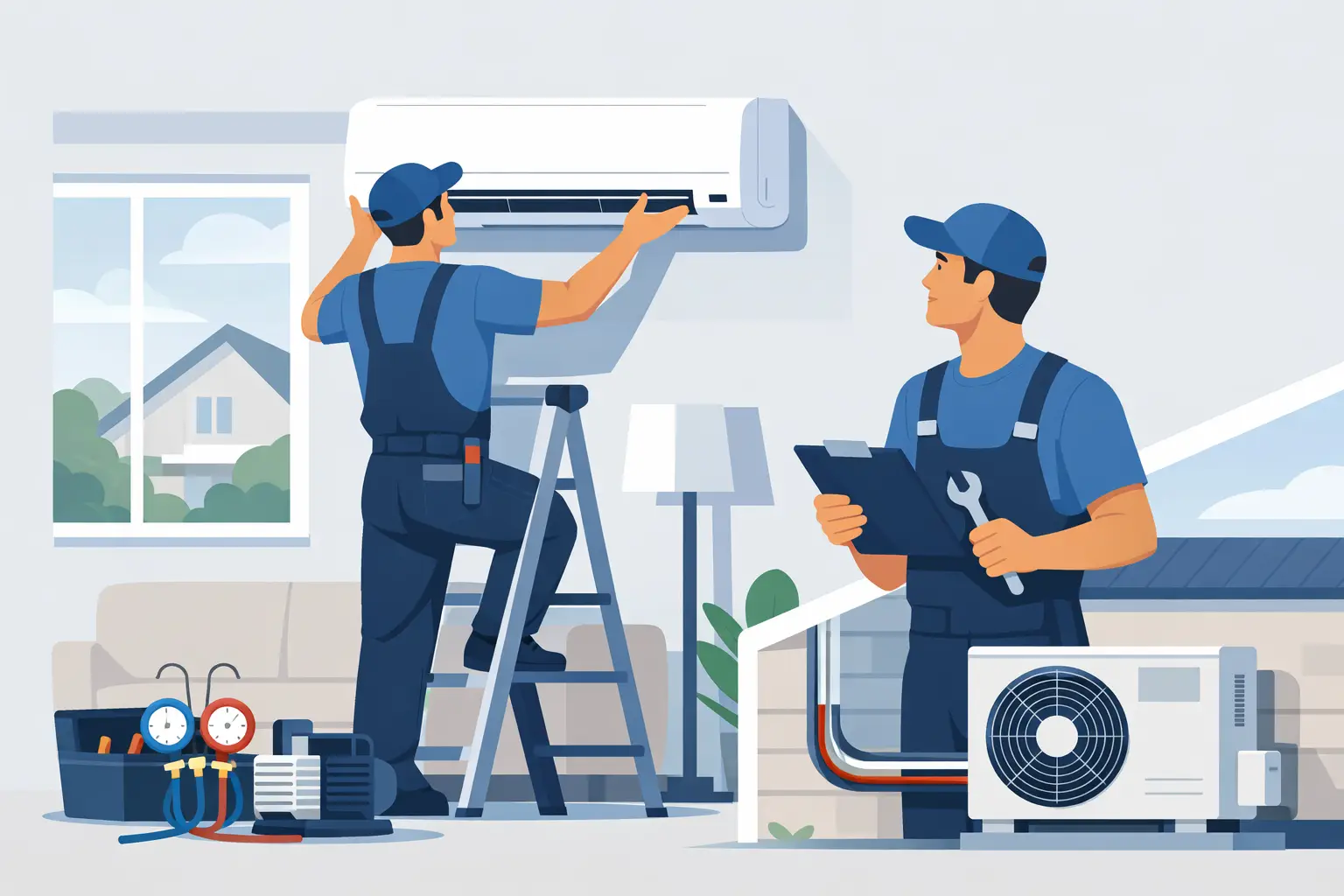
A professional residential install should be organised, clean and efficient. The team should confirm locations, protect work areas where needed, complete the installation to spec, test the system properly and run you through the controls before leaving.
For a standard split system, installation may be completed in a day depending on access and electrical setup. Ducted systems usually take longer because there is more involved with ceiling access, duct runs, grilles, zoning components and commissioning.
Good installers do not just fit the hardware and leave. They pressure test, check refrigerant lines, verify drainage, confirm electrical operation and make sure the unit is performing as it should. They should also leave the site tidy. For homeowners, that matters.
If you are living in the home during the work, ask upfront about timing, access requirements and whether there will be any temporary power interruptions. Clear communication keeps the day straightforward.
Common mistakes to avoid
The biggest mistake is choosing based on price alone. Installation quality has a direct impact on reliability, efficiency and system life. Saving a small amount upfront can cost more later in repairs, rework and higher running costs.
Another common issue is underestimating the home’s cooling load. Online calculators can be useful as a rough guide, but they do not replace a proper assessment. Ceiling insulation, sun load, window coverings and room usage all change the answer.
It is also a mistake to ignore future servicing. If the indoor or outdoor unit is installed in a spot that is hard to access, maintenance becomes slower, more expensive and more likely to be skipped. A good install considers the next ten years, not just the next ten days.
Homeowners should also think about how long they plan to stay in the property. If you are installing air conditioning in a long-term family home, it can be worth investing in a better system with stronger efficiency and zoning options. If it is for a shorter-term hold or a specific room upgrade, a simpler solution may be the right call.
Choosing the right installer
A good installer should be licensed, experienced and able to explain the reasoning behind their recommendations. You want clear advice, a realistic scope of works and confidence that the system being proposed suits the property.
That means asking practical questions. Why this size? Why this location? What maintenance access will there be? Are there any likely electrical upgrades needed? What does the warranty cover, and what servicing is recommended to protect performance?
For Brisbane and South East Queensland homes, local experience counts. Climate, housing styles and summer demand all affect installation decisions. A contractor who understands local conditions is more likely to get the details right.
Big Dog Mechanical works across residential and commercial air conditioning, which means homeowners benefit from a team used to delivering reliable outcomes, not just basic installs. That broader technical capability can make a real difference when a home has challenging access, higher cooling demands or a more complex system layout.
After installation: what keeps it running well
Once the system is in, simple habits make a difference. Clean filters regularly, keep outdoor units clear of debris, and book servicing before peak summer if you want the best chance of avoiding breakdowns when demand is highest.
It also helps to use the system properly. Running an air conditioner with doors and windows open, setting the temperature unrealistically low, or ignoring signs of poor drainage or weak airflow will all affect performance. If something sounds off or stops cooling as it should, get it checked early.
A well-installed system should feel easy to live with. It should cool the right spaces, run efficiently and give you confidence that when the heat hits, your home is ready for it. The smart move is not chasing the fastest quote. It is choosing a system and an installer that suit your home, your budget and the way you want to live in it.