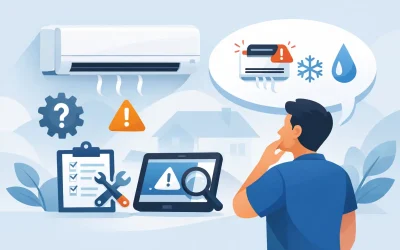
If your power bills have crept up, some rooms never seem to hit the right temperature, or your system runs longer than it should, the question is usually the same – how to improve HVAC efficiency without replacing everything. In Brisbane and across South East Queensland, that matters even more. Long cooling seasons, humidity, and heavy system use can expose every weak point in an air conditioning setup.
The good news is that better efficiency usually comes from a mix of maintenance, setup, and smart upgrades rather than one big fix. Whether you manage a commercial site or want your home air con working properly through summer, the goal is simple: get the system to deliver the comfort you need without wasting energy or putting extra strain on components.
How to improve HVAC efficiency starts with maintenance
The fastest way to lose efficiency is to ignore routine servicing. Dirty filters, blocked coils, worn belts, low refrigerant, and drainage issues all force a system to work harder for the same result. That means higher running costs, uneven performance, and more breakdown risk.
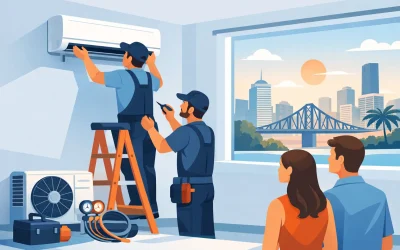
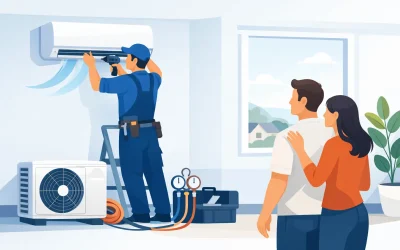
For homeowners, regular servicing keeps split systems and ducted units operating as they should. A clogged filter can restrict airflow enough to reduce cooling performance and increase power use at the same time. For commercial sites, the stakes are higher. Poor maintenance can affect tenant comfort, staff productivity, stock conditions, and plant reliability.
Preventative maintenance is not just about spotting faults. It keeps heat transfer efficient, airflow balanced, controls working accurately, and moving parts in good condition. Systems that are serviced on schedule tend to last longer and perform more consistently, especially during peak demand.
What a proper service should cover
A real HVAC service goes beyond a quick clean of the visible parts. It should include filter inspection or replacement, coil cleaning where needed, refrigerant checks, fan and motor inspection, condensate drain checks, electrical testing, and confirmation that controls are reading and responding correctly.
If you are trying to improve efficiency and the system has not been professionally serviced in a while, start there. It is the most practical first move because it deals with the common issues that quietly drive up energy use.
Airflow problems are one of the biggest efficiency killers
A system can be mechanically sound and still perform poorly if airflow is restricted or poorly balanced. This is common in both homes and commercial buildings. Closed or blocked vents, crushed ductwork, dirty return grilles, and poor zoning setup all reduce efficiency.
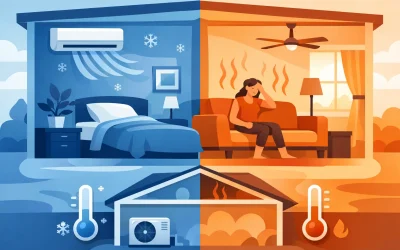
When airflow drops, the system has to run longer to push conditioned air where it needs to go. That increases energy use and can also create hot and cold spots. In larger buildings, poor balancing can mean one area is overcooled while another is struggling.
Check the basics before blaming the unit
Make sure supply and return vents are clear of furniture, storage, curtains, or dust build-up. In ducted systems, damaged or leaking ductwork can waste a surprising amount of cooled air before it reaches the room. In commercial environments, tenancy changes or fit-out changes often affect airflow patterns without anyone revisiting the original settings.
If rooms are inconsistent, the issue may not be the indoor or outdoor unit itself. It may be poor air distribution. Fixing that can improve comfort quickly without major plant replacement.
Controls and settings matter more than most people think
One of the simplest answers to how to improve HVAC efficiency is to make sure the system is not working harder than necessary because of poor settings. Thermostats, timers, zoning controls, and BMS settings all influence runtime and energy use.
A common mistake is setting the temperature far lower than needed in the hope the space cools faster. It does not. It just tells the system to keep running until it reaches that lower set point. In Queensland conditions, a sensible cooling set point can reduce energy use without sacrificing comfort.
For commercial properties, scheduling is critical. If systems are starting too early, running after hours, or conditioning unused areas, efficiency drops straight away. For homes, using timers and zoning properly can prevent the whole system from running when only one part of the house is occupied.
Smart controls can help, but only if they are set up properly
Programmable thermostats and smart controls can improve efficiency, but they are not magic. If they are installed without proper commissioning, they can create the same waste with more complicated menus. Good control strategy should match how the building or home is actually used.
That means occupied hours, room usage, heat load, and seasonal conditions all need to be considered. A simple, well-set system usually performs better than a fancy one nobody understands.
Dirty systems cost more to run
Hygiene cleaning is often treated as a separate issue from energy performance, but the two are closely connected. Dust, grime, microbial build-up, and blocked coils reduce the system’s ability to transfer heat and move air efficiently.
If evaporator or condenser coils are fouled, the unit has to work harder to achieve the same result. Fans may run longer, compressors may cycle poorly, and indoor air quality can also suffer. In commercial settings such as hospitality, education, and aged care, cleanliness is not just about efficiency. It also supports occupant wellbeing and compliance expectations.
For older systems or sites with inconsistent maintenance history, a proper clean can make a noticeable difference. It is not a cure-all, but it can restore lost performance that has been slipping away gradually.
Upgrades can make sense, but timing matters
Not every inefficient system needs full replacement. Sometimes the smarter option is targeted upgrades. That could mean replacing failing controls, improving zoning, repairing duct leakage, upgrading a motor, or addressing worn components that are dragging the whole system down.
That said, there is a point where repair costs and energy waste stop making sense. Older units often have lower efficiency ratings, less effective controls, and more wear across the board. If the system is frequently breaking down, struggling to maintain temperature, or costing too much to run, replacement may be the better long-term decision.
The right-sized system is usually the most efficient one
Oversized and undersized systems both create problems. An oversized unit may short cycle, which reduces efficiency and humidity control. An undersized unit may run constantly and still fail to keep up. Either way, comfort suffers and operating costs rise.
This is why system selection and design matter. Residential and commercial sites both need equipment matched to the actual load, not guessed from floor area alone. Orientation, insulation, occupancy, glazing, ceiling height, and usage patterns all affect what the system needs to do.
Building conditions have a direct impact on HVAC performance
If conditioned air is escaping or heat is pouring in, the HVAC system has to carry the extra load. That is why efficiency is not just about the unit itself. It is also about the space the unit is trying to condition.
Poor insulation, gaps around doors, ageing seals, unshaded windows, and heat-generating equipment all add pressure to the system. In commercial buildings, frequently opened doors, kitchen loads, server rooms, and layout changes can alter the demand significantly. In homes, west-facing rooms, roof heat, and draughts are common contributors.
You do not always need major building works to improve results. Simple measures such as sealing obvious leaks, managing solar gain, and reducing unnecessary internal heat can lower the load enough to improve system efficiency.
How to improve HVAC efficiency in commercial sites
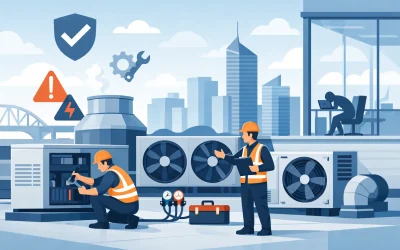
For facility managers and business operators, efficiency needs to be looked at across the full asset picture. A single fault may be obvious, but ongoing waste often comes from a combination of deferred maintenance, poor controls, dirty plant, and ageing equipment.
Asset audits are useful because they show what you actually have, what condition it is in, and where the money is being lost. That creates a clearer plan for maintenance, repairs, and staged upgrades. It also helps avoid the trap of spending reactively on breakdowns while the broader system continues to underperform.
Downtime matters here as much as energy use. An efficient HVAC strategy is really about reliability as well. Systems that are running cleanly, tuned properly, and maintained on schedule are less likely to fail when demand peaks.
When expert advice saves money
There is a point where guesswork becomes expensive. If you have ongoing comfort complaints, rising power costs, repeat faults, or an older system with patchy performance, it is worth getting the setup assessed properly. One thorough inspection can reveal whether the issue is maintenance-related, control-related, airflow-related, or a sign the equipment is nearing the end of its useful life.
For both homes and commercial properties, the best results usually come from tailored advice rather than generic rules. A split system in a family home and a VRV system in a multi-zone commercial site do not have the same pressure points, and they should not be treated the same way.
That is where an experienced local team such as Big Dog Mechanical can make a real difference – not by overselling upgrades, but by identifying what will improve performance, reduce waste, and keep the system dependable in Queensland conditions.
If you are serious about how to improve HVAC efficiency, start with the basics, fix what is forcing the system to work harder, and make decisions based on how the building actually operates. Better efficiency is rarely about one silver bullet. It comes from getting the whole setup to work the way it should.