When an air con system starts blowing warm air in a Brisbane summer, or a commercial unit drops off during trading hours, you do not need vague advice. You need heating & air conditioning service that fixes the problem properly, protects performance long term, and keeps disruption to a minimum.
That means more than turning up, swapping a part and moving on. Good service looks at how the system is running, why it failed, what condition the major components are in, and whether the setup still suits the space. For homeowners, that is about comfort, energy use and avoiding repeat breakdowns. For commercial sites, it is about uptime, compliance, asset life and keeping staff, customers or residents comfortable.
What heating & air conditioning service should actually cover
A proper service is not the same thing as a quick once-over. The right scope depends on the system, its age, how hard it works and the environment around it. A split system in a family home has different demands to a ducted system servicing a large property, and both are a different job again from VRV or central plant equipment in a commercial building.
At a minimum, heating & air conditioning service should check system performance, electrical components, filters, coils, drains, refrigerant-related issues where relevant, airflow and controls. It should also identify wear before it becomes a fault. If hygiene cleaning is needed, that should be called clearly, not buried in the fine print. If the unit is oversized, undersized or struggling because of duct or zoning issues, that should be raised as well.
The difference matters because some problems are not caused by a failed part. Poor airflow, dirty coils, blocked drains, ageing insulation or control faults can all drag down performance. If those issues are missed, the system may start again after a visit but continue costing more to run and break down sooner than it should.
Why regular servicing saves more than it costs
Most people only think about service when something stops working. That is understandable, but it is also where costs tend to climb. Emergency breakdowns usually happen at the worst time – during peak summer load, during a tenant complaint, or when a site cannot afford downtime.
Routine servicing reduces that risk. It helps keep systems running closer to design performance, which can improve efficiency and reduce strain on compressors, fan motors and electrical components. It also gives you a clearer picture of what is ageing and what needs attention soon, rather than finding out after a failure.
For homeowners, the benefit is usually simple: better comfort, cleaner airflow, fewer nasty surprises and a system that does not have to work as hard. For businesses and facility managers, the benefit is broader. Planned maintenance supports budgeting, extends asset life and helps avoid reactive callouts that interrupt operations.
There is a trade-off, though. Not every system needs the same service frequency. A lightly used residential unit may need a different schedule to a system in hospitality, aged care or education, where usage hours and indoor air quality expectations are much higher. The right approach is tailored, not one-size-fits-all.
Signs your system needs attention now
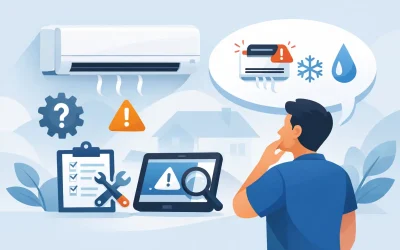
Some faults are obvious. Others creep in slowly and get expensive if they are ignored. If your unit is taking longer to cool, struggling to maintain set temperature, cycling on and off too often, making unusual noise or throwing out musty smells, it is time to get it looked at.
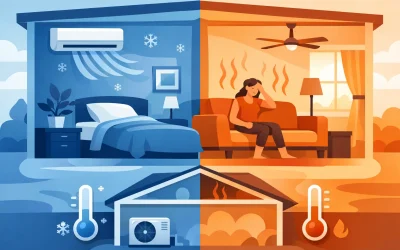
Higher power bills can also be a warning sign, particularly if your usage has not changed much. The same goes for water leaks, weak airflow and rooms that never seem to reach a comfortable temperature. In commercial settings, hot and cold complaints from different parts of a building often point to zoning, balancing or controls issues rather than a single simple fault.
Older equipment deserves extra attention. That does not always mean replacement is the next step. Sometimes a targeted repair and proper clean will get more life out of the system. Other times, repeated callouts are a sign that the money is better spent on an upgrade. The key is getting clear advice based on condition, performance and operating cost – not guesswork.
Residential service: comfort, reliability and clean operation
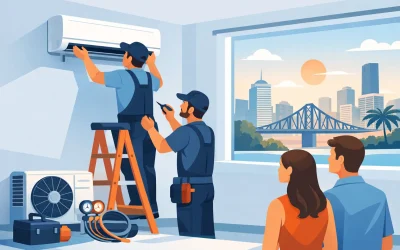
For homes across Brisbane and surrounding areas, air conditioning is not a luxury for long. It is part of day-to-day comfort. When a home system is serviced properly, the result is usually noticeable straight away – steadier temperatures, better airflow and less noise from a unit that has been under strain.
Residential heating & air conditioning service should start with the way the home is used. Bedrooms, open-plan living areas, multi-storey layouts and ducted zoning all affect how the system needs to perform. A good technician will not just inspect the indoor and outdoor units. They will also look at whether the setup still matches the household’s needs.
Cleanliness matters here too. Dirty filters and contaminated coils do not just hurt efficiency. They can affect indoor air quality and leave the system smelling stale. In homes with pets, allergies or heavy daily use, that can become noticeable quickly. Regular servicing keeps the system cleaner, safer and more dependable when the weather turns.
Commercial service: uptime, compliance and asset control
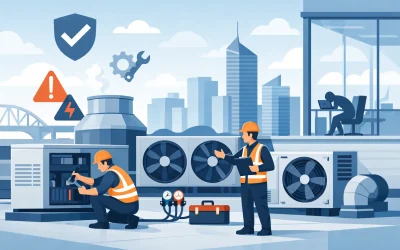
Commercial HVAC is a different game. The pressure is higher, the systems are often more complex and the cost of downtime is real. Whether it is a retail tenancy, school, office, hospitality venue or aged care site, the goal is not simply to restore cooling. It is to maintain reliable performance across the whole asset.
That is why commercial service should be structured, documented and proactive. Preventative maintenance programs, asset audits, hygiene cleaning and clear reporting all play a part. If a site has multiple units, ageing plant or varied occupancy patterns, servicing should help decision-makers prioritise spend instead of reacting to the loudest problem first.
There is also the compliance side. Depending on the system and site type, service records, equipment condition and hygiene standards are not just operational issues. They may affect risk, tenant expectations and broader facility responsibilities. A contractor with real commercial capability understands that service has to support building performance, not just individual units.
This is where a specialist with residential and commercial capability, such as Big Dog Mechanical, brings real value. The technical skill set is broader, the troubleshooting is sharper and the recommendations are more practical because they are grounded in how these systems behave in the field.
Repair, service or replace? It depends on the full picture
One of the most common questions is whether to repair an older system or replace it. There is no honest blanket answer. It depends on age, condition, parts availability, efficiency, fault history and how critical the system is.
If the unit has been reliable, the fault is isolated and the rest of the system is in sound condition, a repair often makes sense. If the system is showing repeated faults, poor efficiency and heavy wear, replacement may be the smarter option even if a repair is technically possible. Commercial clients also need to weigh downtime risk and the impact of another failure during peak demand.
The right advice should be straightforward. You should know what has failed, what the repair involves, what other issues are present and whether more spend is likely in the near term. That level of clarity helps homeowners and business operators make a decision based on value, not pressure.
Choosing the right service provider in Brisbane
Not all contractors deliver the same standard of service. Fast response matters, but so do diagnosis, workmanship and follow-through. A good provider turns up prepared, communicates clearly, works cleanly and gives practical recommendations that fit the property and budget.
For commercial customers, look for technical breadth. Split systems, ducted units, VRV or VRF systems and central plant all require different experience. For residential customers, reliability and transparency are just as important. You want a team that respects your home, explains the issue in plain terms and gets the system back on track without fuss.
Local knowledge helps as well. Brisbane and greater Queensland conditions put real demand on cooling systems, and service plans should reflect that. High-use seasons, humidity, storm impacts and salt exposure in some areas all influence how equipment performs over time.
The best heating & air conditioning service is not flashy. It is responsive, technically sound and tailored to the site. It keeps homes comfortable, businesses operating and assets in better shape for longer. If your system is overdue for attention, the smartest move is to deal with it before a small issue becomes the job that cannot wait.