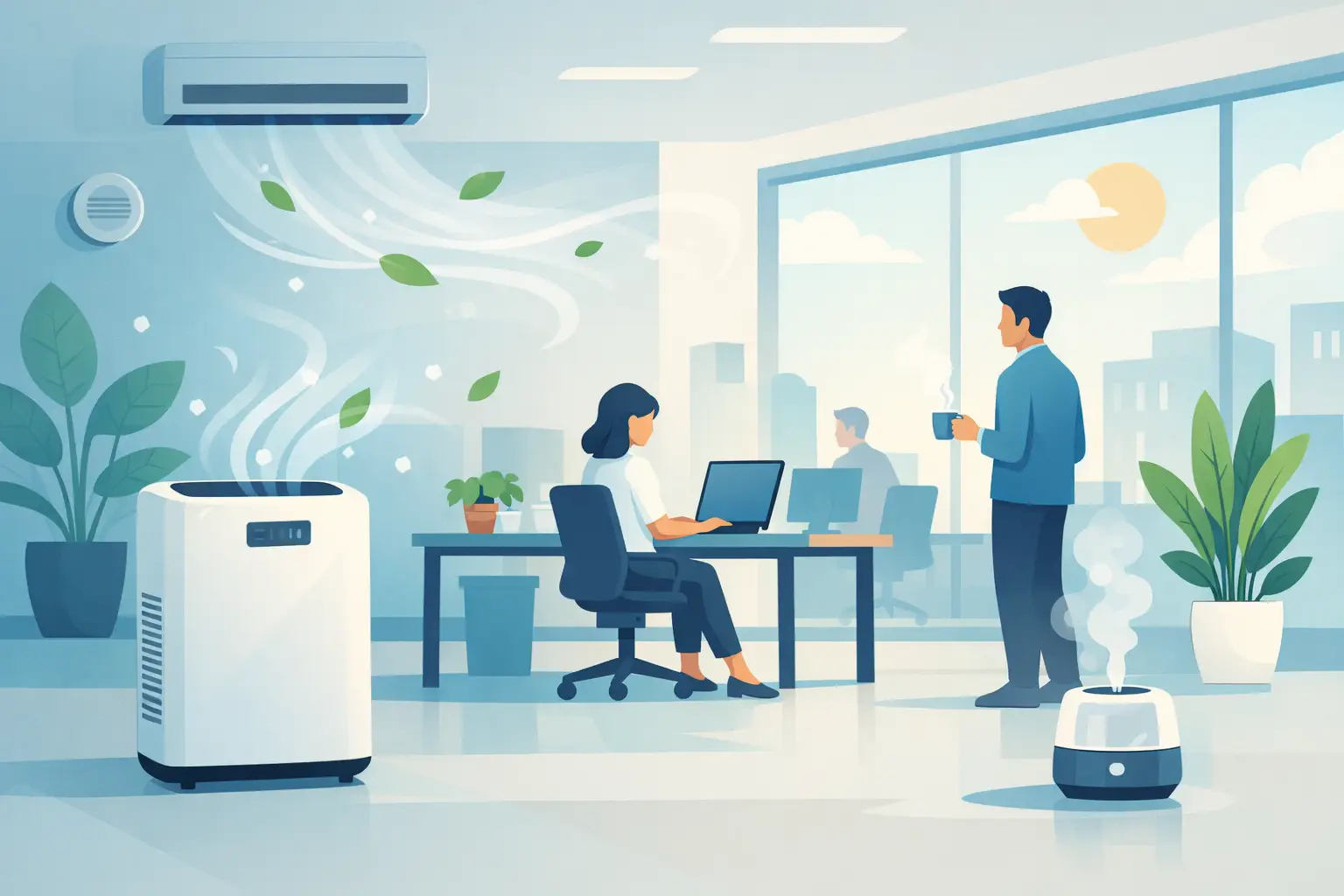
That 3 pm slump is not always about workload. In plenty of offices, it is stale air, uneven temperatures, rising CO2, dust build-up and poorly maintained HVAC systems doing the damage. Office air quality improvements can make a real difference to comfort, concentration and day-to-day reliability, but only when the fix matches the building, the occupancy and the system already in place.
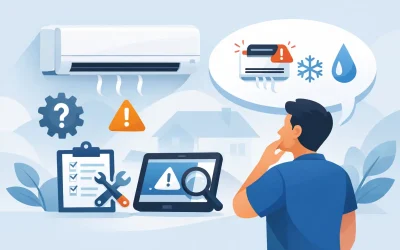
For facility managers, business owners and property teams, indoor air quality is rarely a standalone issue. It usually shows up alongside hot and cold spots, odours, higher energy bills, recurring complaints or systems that seem to work harder than they should. That is why the best approach is practical rather than cosmetic. Air fresheners and portable gadgets will not solve a ventilation or hygiene problem.
Why office air quality improvements matter
Poor indoor air quality affects more than comfort. In a working office, it can contribute to headaches, fatigue, irritation, musty smells and a space that simply feels flat. In customer-facing environments, it also reflects on the business. If staff and visitors walk into a meeting room that feels stuffy or smells off, confidence drops quickly.
There is also an operational side to it. When air filters are overloaded, coils are dirty or outside air is not being managed properly, HVAC equipment can lose efficiency. That means more strain on the system, more wear on components and a greater risk of breakdowns during peak demand.
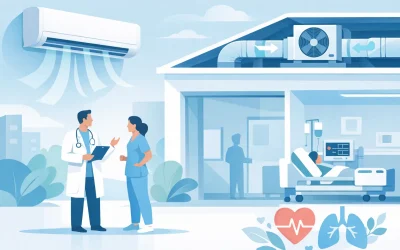
For sites such as aged care, education, hospitality and shared commercial tenancies, the stakes are even higher. These environments often have heavier occupancy, stricter comfort expectations and less tolerance for downtime. Clean, well-managed air is part of keeping the building usable.
What is usually causing poor office air quality?
In most cases, the issue is not one single fault. It is a combination of ventilation, maintenance and building use. A system may have been sized for a different layout, or occupancy may have increased without any adjustment to fresh air settings. Filters may be overdue for replacement. Drain trays or coils may be carrying contamination. In some offices, the building envelope itself plays a part, especially where humidity, water ingress or poor zoning creates persistent moisture and odour problems.
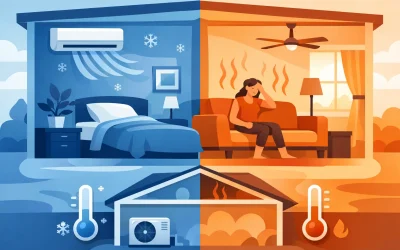
Meeting rooms are a common trouble spot. They fill quickly, doors stay shut and CO2 rises fast if ventilation is inadequate. Open-plan offices can have the opposite problem, where one area feels over-conditioned while another traps stale air. If staff are bringing in portable fans, opening doors to compensate or reporting the same issues every week, the system is telling you something.
Start with the HVAC system, not the symptoms
The most effective office air quality improvements usually begin with the mechanical system. That is where air is moved, filtered, conditioned and distributed. If the base system is underperforming, surface-level fixes will only mask the problem for a short time.
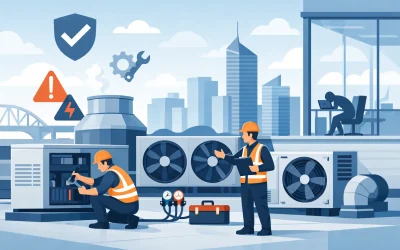
A proper inspection should look at filter condition, coil cleanliness, fan operation, outdoor air intake, dampers, drain condition and airflow balance. It should also consider whether the system is operating in line with how the office is actually used now, not how it was used five years ago.
This is where a lot of buildings get caught out. A tenancy changes, more workstations are added, meeting rooms are repurposed and occupancy patterns shift, but HVAC settings stay the same. The result is an office that feels off even when the system is technically running.
Ventilation: the first big lever
Fresh air matters, but more is not always better if it is unmanaged. In Brisbane and surrounding areas, outside air can bring heat and humidity that place extra demand on the system. The goal is controlled ventilation, not simply pulling in as much outside air as possible.
A well-tuned system should introduce the right amount of outdoor air, distribute it properly and condition it efficiently. If dampers are stuck, sensors are inaccurate or controls are poorly set up, indoor air can deteriorate without anyone realising why. Staff only notice the result – a space that feels heavy, humid or stale.
In some offices, demand-controlled ventilation can help. In others, the answer is simpler: restore proper airflow, fix failed components and verify the system is bringing in what it should. It depends on the building, the plant and the occupancy profile.
When fresh air creates new problems
There is a trade-off to manage. More outside air can improve indoor freshness, but if the system cannot handle the added moisture load, humidity can rise and comfort can worsen. That is particularly relevant in Queensland conditions. Good ventilation strategy has to work with the local climate, not against it.
Filtration and hygiene cleaning make a visible difference
Dirty filters do more than reduce efficiency. They allow dust and contaminants to circulate, restrict airflow and can contribute to odours and uneven performance. Replacing filters on schedule is one of the simplest improvements available, yet it is often delayed until complaints start.
Hygiene cleaning also matters. Dust, biofilm and grime on coils, drains and internal components reduce system performance and can affect the quality of air moving through the office. If there is a persistent smell when the unit starts, visible dust around diffusers or signs of moisture issues, cleaning should be part of the plan.
This is not just about making the equipment look better. Clean components transfer heat more effectively, drain properly and help the system maintain stable conditions. That supports both air quality and reliability.
Airflow balance is where comfort and air quality meet
An office can have adequate cooling capacity and still feel uncomfortable if the air is not distributed properly. Dead spots, drafts and pressure imbalances all affect how fresh a space feels. If one meeting room is always stuffy while the area outside it is freezing, the issue may be balance rather than total system output.
Airflow testing and adjustment can identify where conditioned air is going and where it is not. In many commercial spaces, small corrections to grilles, dampers or controls can improve conditions more than a major equipment change. In other cases, the layout has simply outgrown the original design and a zoning or upgrade review is needed.
Controls, sensors and scheduling are often overlooked
A surprising number of air quality complaints come back to poor controls. Systems run at the wrong times, sensors read inaccurately or settings are locked in place despite clear changes in usage. If the HVAC system starts too late, shuts down too early or ignores occupancy patterns, indoor conditions drift fast.
Smart controls can help, but they are only useful if they are commissioned properly and reviewed over time. A sensor placed in the wrong location can create as many problems as it solves. The practical test is simple: does the office feel stable and consistent during actual operating hours?
How to prioritise office air quality improvements
Not every office needs a major upgrade. Some need a reset of maintenance standards. Others need targeted repairs, better filtration or a review of ventilation settings. The right priority depends on what is driving the issue.
If complaints are sudden, start with maintenance and condition. If the problems are longstanding, look harder at system design, zoning and ventilation strategy. If energy use is climbing alongside comfort issues, there is a strong chance the system is compensating for blocked airflow, dirty components or failed controls.
For larger sites, an asset audit can help separate short-term fixes from capital decisions. That gives owners and managers a clearer picture of what can be improved now and what should be planned for later. It also prevents money being spent on partial solutions that do not address the root cause.
A practical standard for healthier indoor air
Good office air does not need to feel noticeable. That is usually the point. When indoor conditions are right, people stop talking about them. Meetings run without stuffiness, staff are not constantly adjusting thermostats and the HVAC system does its job without drawing attention to itself.
For businesses across Brisbane, that usually comes down to disciplined maintenance, sensible ventilation, clean equipment and a system that matches the way the space is actually used. Big Dog Mechanical works with commercial clients on exactly that basis – practical fixes, reliable performance and no guesswork where air quality is concerned.
If your office has recurring comfort complaints, persistent odours or a system that never seems quite right, it is worth treating air quality as an HVAC performance issue rather than a minor nuisance. The right fix is rarely glamorous, but it is the one your staff notice every day by not having to think about it at all.