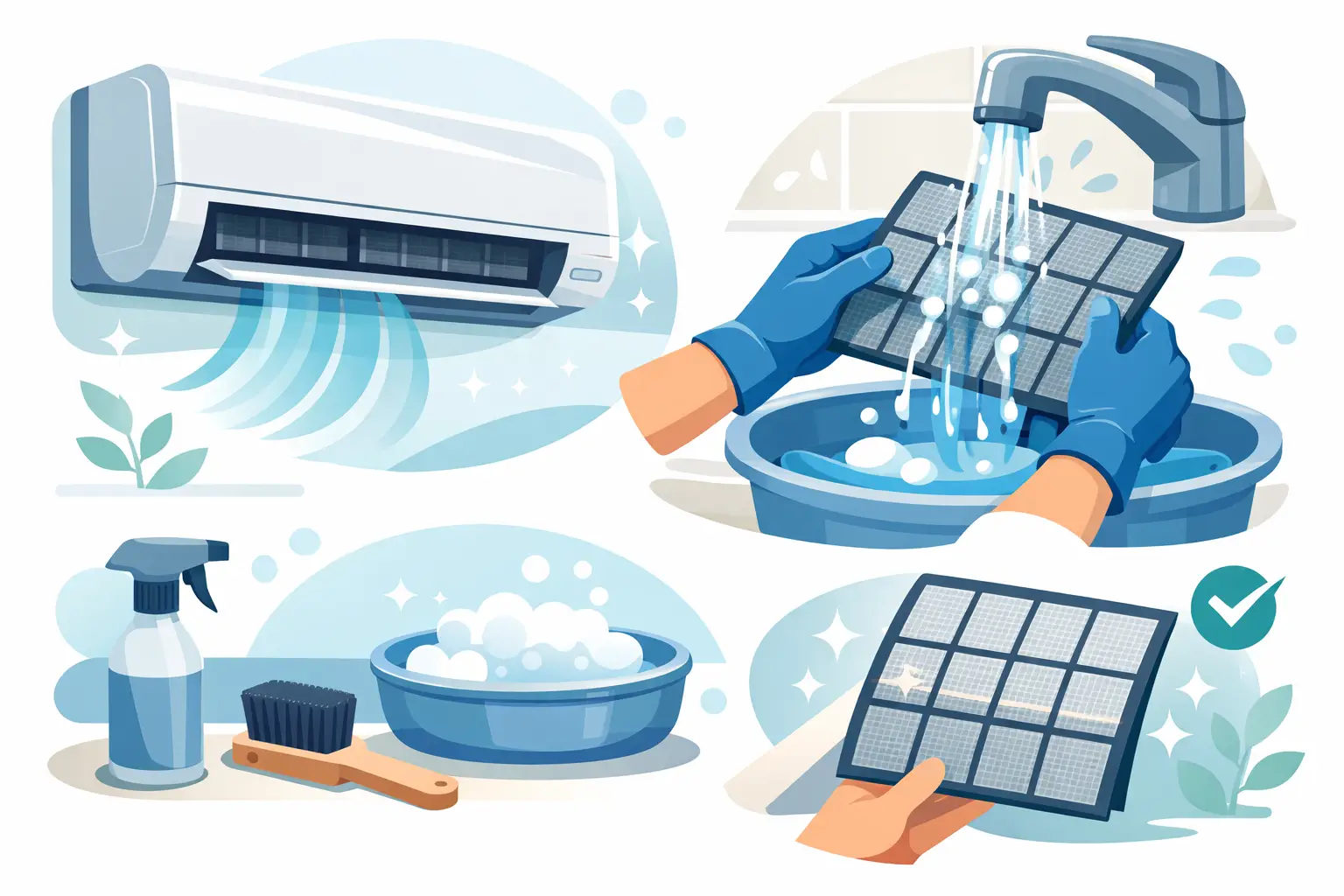
If your air conditioner is blowing weak air, smells a bit off, or seems to be working harder than it should, the filter is the first place to look. Knowing how to clean aircon filters is one of the simplest ways to keep your system running efficiently, reduce strain on the unit, and avoid paying for problems that basic maintenance could have prevented.
For most homes and small offices, cleaning the filters is a straightforward job. You do not need specialist tools, but you do need to do it properly. A rushed clean can leave dust behind, damage the filter mesh, or put a damp filter back into the unit, which creates a different problem altogether.
Why clean aircon filters matters
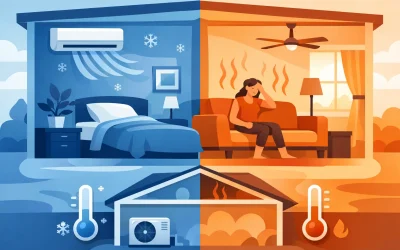
Aircon filters catch dust, lint, pollen and other airborne particles before they move deeper into the system. Over time, that build-up restricts airflow. When airflow drops, the unit has to work harder to cool the space, and that can show up as higher power bills, uneven temperatures, longer run times and extra wear on components.
In Queensland conditions, filters can clog faster than many people expect. If you are running the system regularly through a long summer, or if the property has pets, nearby construction, or high foot traffic, the filters can get dirty well before a seasonal service is due.
A clean filter helps with day-to-day performance, but it is not a substitute for proper servicing. It improves airflow and indoor comfort. It does not inspect electrical components, check refrigerant issues, clean coils, or pick up faults that could lead to a breakdown.
How to clean aircon filters safely
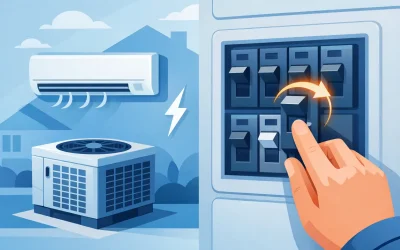
Before you touch the unit, switch it off at the remote and isolate power if you can do so safely. That matters more than people think. You do not want the fan kicking in while the front panel is open.
Open the indoor unit carefully. On most wall-mounted split systems, the front cover lifts up from the bottom edge. Inside, you will usually see one or two mesh filters sitting just behind the panel. Slide them out gently. If they resist, do not force them. Check the fitment points and remove them evenly so you do not crack the frame.
Take the filters outside if possible. Start by giving them a light shake over a bin to remove loose dust. After that, use a vacuum with a soft brush attachment to lift off the remaining surface dirt. In many cases, that is enough if the filters have only light build-up.
If they are properly dirty, rinse them with lukewarm water. Keep the water pressure low. A hard spray can tear the mesh or warp the frame, especially on older filters. If needed, use a mild detergent and your hand to gently loosen grime. Skip harsh chemicals, scrubbing brushes and anything abrasive. They do more harm than good.
Once clean, leave the filters to dry fully in a shaded, well-ventilated area. Do not put them back damp. Moisture trapped in the unit can encourage mould growth and cause odours the next time the system runs. Also avoid drying them in direct sun for long periods, as excessive heat can distort some filter materials.
When the filters are completely dry, reinstall them in the same position, close the panel securely, and switch the system back on. You should notice better airflow fairly quickly if the filters were the main issue.
How often to clean aircon filters
There is no single rule that suits every property. A lightly used bedroom split system may only need attention every couple of months. A main living area unit running most days through summer may need the filters checked every two to four weeks.
Commercial environments can need more frequent cleaning again. Offices, hospitality venues, waiting rooms and other high-use spaces tend to pull more dust and particles through the system. If you manage a site where comfort and uptime matter, filter cleaning should sit inside a broader maintenance routine rather than being left to chance.
A practical approach is to inspect the filters monthly and clean them when there is visible build-up. If airflow has dropped or the unit has become noisier, do not wait for a calendar reminder.
Signs the filter is not the only problem
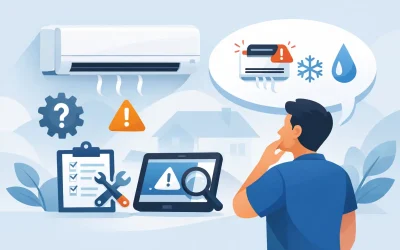
Cleaning the filter is worthwhile, but it will not fix every performance issue. If the unit still struggles after the filter has been cleaned, there may be a deeper fault that needs professional attention.
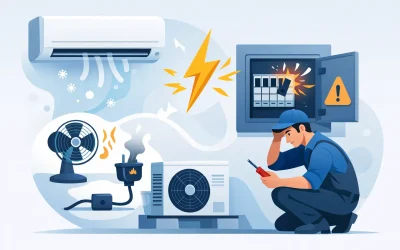
Weak airflow can also point to fan issues, coil contamination or duct problems on ducted systems. Bad smells may come from mould inside the unit, blocked drains or hygiene issues beyond the filter itself. If the system is leaking, tripping power, making unusual noises or failing to cool properly, that is no longer a DIY job.
This is where people can waste time. They clean the filter, expect a full recovery, and keep running a system that is already showing signs of a bigger issue. That can turn a manageable repair into a more expensive one.
Common mistakes when cleaning aircon filters
The most common mistake is being too rough. Filters look simple, but the mesh and plastic frame can be damaged easily. Once they are bent or torn, they do not sit properly and stop doing their job.
Another mistake is using spray cleaners or strong detergents inside the unit without knowing where those chemicals will end up. The filter itself is one thing. Internal coil cleaning, drain treatment and hygiene cleaning are different tasks and need the right method.
People also forget to let the filter dry fully. That one causes plenty of avoidable odour complaints. If the air coming out of the unit smells musty after a clean, trapped moisture is often part of the problem.
Then there is the issue of neglect. Filters are easy to ignore because the system still runs. It just runs less efficiently. By the time performance drops enough to become obvious, the unit may have been under unnecessary strain for weeks or months.
How to clean aircon filters in different systems
For a standard split system, the process is usually simple because the filters are designed for easy access. Ducted systems can vary. Some have return air grilles with accessible filters, while others are less straightforward depending on the layout and installation.
Cassette units, ceiling-concealed systems and larger commercial setups can be more involved again. Access may require ladders, ceiling panel removal or site-specific safety steps. In those cases, the right answer is not always to do it yourself. If access is awkward or the filter arrangement is unclear, it is better to have a technician handle it properly than risk damaging the unit or creating a safety issue.
That trade-off matters for businesses in particular. A quick attempt at DIY cleaning can lead to downtime if a panel is broken or a component is disturbed. For critical sites, scheduled maintenance is the safer option.
When to call in a professional
If you are comfortable with basic filter cleaning, there is real value in doing it regularly. It keeps airflow up and helps the system operate the way it should between services. But if the unit is overdue for maintenance, showing signs of mould, struggling to cool, or supporting a commercial space where reliability matters, a proper service is the smarter move.
Professional servicing goes well beyond filter cleaning. It looks at hygiene, system condition, electrical safety, drain function, operating pressures and overall performance. That is especially relevant in Brisbane conditions, where long cooling seasons can put plenty of load on residential and commercial systems alike.
For homeowners, regular servicing can help avoid mid-summer breakdowns. For facility managers and business operators, it supports energy efficiency, compliance and reduced disruption. The filter is only one part of the picture.
If you want the aircon to do its job properly, treat filter cleaning as basic upkeep, not the whole maintenance plan. A clean filter gives your system a fair chance to perform, and sometimes that small habit is the difference between smooth operation and a callout you did not need.