That first hot, sticky afternoon when your system starts blowing warm air is rarely a surprise. In most cases, the warning signs were there earlier – weaker airflow, odd noises, higher power bills, or rooms that never quite cool down. If you are wondering about the top signs aircon needs servicing, the key is catching those small changes before they turn into a breakdown, a costly repair, or an uncomfortable week waiting for parts.
For Brisbane homes and commercial sites alike, air conditioning does not get an easy run. Long cooling seasons, humidity, dust and constant use all put pressure on components. A well-maintained system will generally run more efficiently, hold temperature better, and last longer. A neglected one usually tells you something is wrong well before it stops altogether.
Top signs aircon needs servicing before it fails
One of the clearest signs is reduced cooling performance. If the unit is running but the space is still warm, taking longer than usual to reach temperature, or struggling on hotter days more than it used to, servicing is worth booking. Sometimes the issue is simple, such as a blocked filter or dirty coil. Other times it points to a refrigerant issue, a failing fan motor, sensor problems or a control fault. Either way, if performance has dropped, the system is already working harder than it should.
Weak airflow is another common red flag. You might notice that air is coming through the vents or indoor head at a much lower volume, even when settings have not changed. In a residential split system, that can come down to clogged filters, indoor coil build-up or a fan issue. In a ducted or commercial system, it may involve duct restrictions, worn components or faults in the air handling side of the system. Weak airflow often gets ignored because the unit is technically still running, but it usually means efficiency has already taken a hit.
Unusual noise should not be brushed off either. Air conditioners are never completely silent, but they should sound familiar. If you hear rattling, buzzing, grinding, squealing or banging, the system is telling you something has changed. A loose part may be a quick fix. A worn bearing, failing motor or compressor issue is not something you want to leave for another month. Noise tends to get worse, not better.
Bad odours are also high on the list. A musty smell can point to mould, moisture build-up or hygiene issues inside the unit or ductwork. A burnt smell may suggest electrical trouble. In commercial settings, poor system hygiene can also become an indoor air quality problem for staff, customers or tenants. If an aircon smells off when it starts up, it needs attention.
Rising power bills without a clear reason
A gradual increase in electricity costs is easy to miss, especially through peak summer periods when usage is naturally higher. But if your bills have climbed and your cooling results have not improved, the air conditioning system may be losing efficiency.
Dirty coils, blocked filters, low refrigerant, worn motors and control faults can all force the system to run longer and work harder. That means more energy used for less output. For businesses, this is not just a comfort issue. It affects operating costs and, in some sites, can put added strain on critical areas that need stable temperatures.
There is a trade-off here. One high bill does not always mean the system needs servicing straight away – extreme weather and changed occupancy can also push costs up. But if the pattern continues, it is worth having the unit checked before energy waste becomes the new normal.
Leaks, moisture and ice build-up
Water around the indoor unit is never something to ignore. In many cases, it points to a blocked condensate drain, which can lead to overflow, staining, moisture damage or mould growth if left too long. For homeowners, that may show up as drips on the wall or puddles near the system. For commercial sites, leaks can affect ceilings, fittings and occupied spaces.
Ice on the indoor or outdoor unit is another sign that servicing is overdue. People often assume ice means the system is cooling well, but the opposite is usually true. Frozen coils can be caused by restricted airflow, dirty filters, refrigerant issues or component faults. Running the unit in that condition can cause more damage.
If you see moisture, leaks or ice, timing matters. These are not signs to monitor for a few weeks. They are signs to get a technician involved before the fault spreads.
Short cycling and inconsistent operation
An air conditioner should run in a fairly steady pattern. If it is switching on and off too frequently, struggling to maintain set temperature, or behaving differently from one day to the next, there may be an issue with the thermostat, sensors, refrigerant charge, electrical components or overall system condition.
Short cycling is hard on the equipment because the system keeps drawing power to start up without completing an efficient cooling cycle. That tends to increase wear and drive up costs at the same time. In larger commercial systems, inconsistent operation can also affect occupant comfort across different zones, which quickly becomes a complaint issue.
You may also notice hot and cold spots through the property. One room feels fine, another never gets there, and another turns into a fridge. Sometimes this is a design or balancing issue, but if the problem is new, servicing is the first place to start.
The system smells dirty because it is dirty
A lot of servicing callouts come down to build-up. Dust, debris, moisture and microbial growth collect over time, particularly in systems that run hard through humid Queensland conditions. Even if the unit still cools, internal contamination can reduce airflow, affect hygiene and make the system work harder.
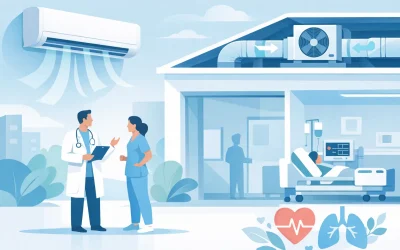
This matters at home, but it matters even more in workplaces, hospitality venues, schools and care environments where people are sharing conditioned air for long periods. A clean system is not only about performance. It is also about the quality of the air moving through the space.
If your system has not had professional attention in a long time, a visible clean of the front cover is not the same as a proper service. Internal components, drains, coils and operating condition all need to be checked properly.
When age starts to show
Older systems do not automatically need replacing, but they do need closer attention. If your unit is needing more frequent resets, making new noises, losing performance or requiring repeat repairs, those are practical signs that wear is catching up with it.
This is where context matters. A five-year-old split system in a lightly used bedroom is different from a heavily used ducted system servicing a busy household, and very different again from commercial plant running long hours. Servicing helps identify whether the issue is routine maintenance, a repairable fault, or a sign that replacement planning makes more financial sense.
For facility managers and business owners, that planning window is valuable. It is far better to make decisions around servicing, upgrades or replacement before a peak-season failure forces an urgent callout.
How often should you act on the signs?
If one of these issues appears suddenly, book a service sooner rather than later. If several are happening at once – poor cooling, noise, smell and higher bills, for example – the risk of breakdown is much higher. Waiting rarely saves money. It usually means a minor issue has more time to damage other components.
For many systems, routine preventative maintenance helps catch these problems before they become obvious. That is especially true for commercial sites where downtime, tenant comfort, compliance and asset life all matter. Residential systems also benefit from regular servicing, particularly before summer when demand on the system is about to ramp up.
A good service should do more than tick a box. It should give you a clear picture of how the system is performing, what needs attention now, and what may need planning later. That is the standard customers should expect from a specialist team such as Big Dog Mechanical.
If your aircon is running differently, sounding rough, smelling off or costing more to operate, trust what the system is telling you. Acting early usually means a simpler fix, lower running costs and a better chance of keeping the space comfortable when you need it most.