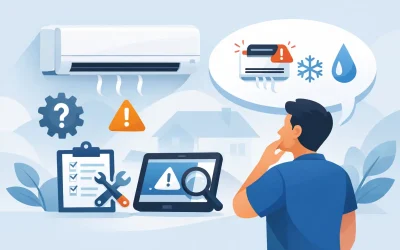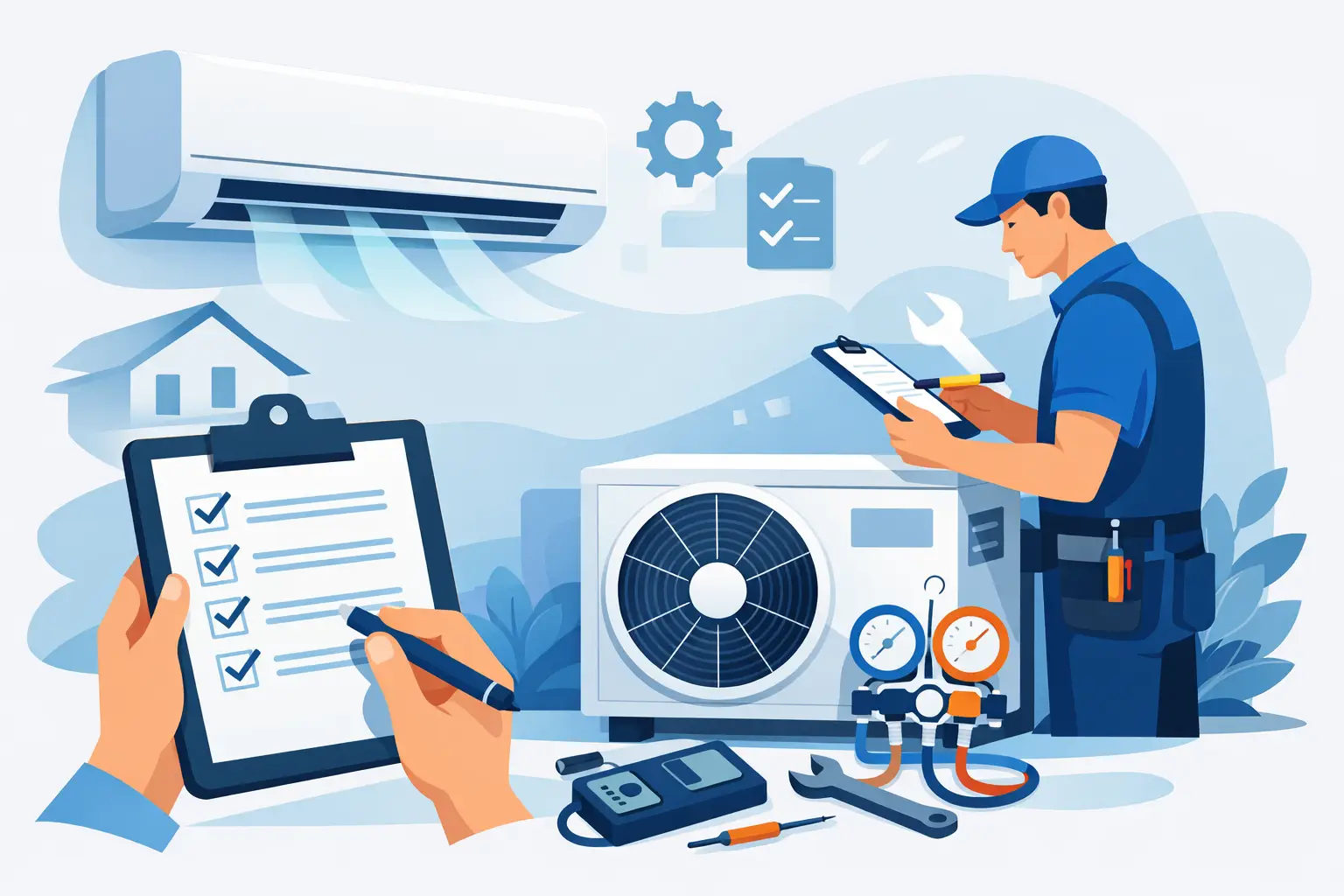
If your split system is blowing weak air, taking too long to cool, or starting to smell musty, the problem usually did not appear overnight. Most faults build slowly through clogged filters, dirty coils, blocked drains, loose electrical parts or refrigerant issues. A proper split system servicing checklist helps catch those problems early, before they turn into breakdowns, high power bills or a callout on the hottest day of the year.
For homeowners, that means better comfort and fewer surprises. For business operators and facility managers, it means less downtime, more predictable performance and a clearer idea of when a unit needs repair, cleaning or replacement. The checklist matters because split systems are simple to live with, but they still need regular attention to stay efficient and reliable.
What a split system servicing checklist should cover
A worthwhile service is not just a quick rinse of the filters and a once-over of the outdoor unit. A proper inspection looks at airflow, hygiene, electrical safety, drainage, system operation and wear. If one part is off, the whole unit can struggle.
That is why a split system servicing checklist should cover both the indoor and outdoor components, along with the way the system performs under load. You are not only looking for parts that have failed. You are checking for conditions that cause early failure, poor efficiency or indoor air quality issues.
In Queensland conditions, this matters even more. Long cooling seasons, humidity, dust and storm debris can all affect performance. Units in homes near busy roads, schools, hospitality venues or high-use offices often need more frequent attention than owners expect.
Indoor unit checks
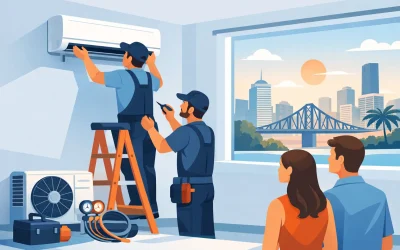
Most performance complaints start at the indoor head unit. Filters are the obvious first item, but they are not the only one. Dirty return filters restrict airflow, force the system to work harder and can lead to coil icing or weak cooling. Cleaning or replacing them is basic, but it makes a real difference.
The evaporator coil also needs inspection. If it is coated in dust, grease or biological growth, airflow drops and cooling capacity follows. In some cases, the unit can still run and appear functional while performing well below where it should. That means higher running costs without an obvious breakdown.
The fan barrel is another common trouble spot. When it gets dirty, airflow can become uneven, noisier and less effective. That is often when people notice stale smells or a room that never quite reaches set temperature. A proper service should assess whether the fan and internal housing need a deeper hygiene clean, not just a surface wipe.
Technicians should also check the drain tray and condensate drain. If the line is partly blocked, you can end up with water leaks, mould growth or shutdown faults. In humid Brisbane conditions, drainage problems are common and should never be treated as minor.
Temperature readings at the indoor unit help confirm whether the system is actually cooling as it should. Guesswork is not enough. A split system can sound normal and still underperform.
Outdoor unit checks
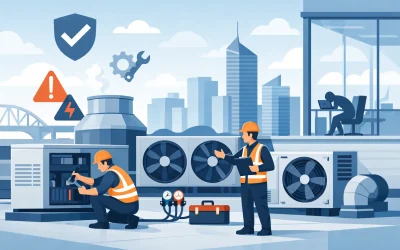
The outdoor condenser does the hard work of rejecting heat, so if it is dirty or obstructed, efficiency drops fast. Leaves, grass clippings, dust and general debris around the coil all reduce heat transfer. The unit then runs longer, draws more power and wears itself out quicker.
A good service includes inspection and cleaning of the condenser coil where needed, along with a check that there is enough clear space around the unit. Poor airflow around the condenser is a frequent issue in tight side passages, cluttered yards and plant areas.
The fan motor and blades should also be checked for damage, wear and stable operation. Excess vibration or unusual noise can point to mounting issues, fan imbalance or motor problems. Catching that early is far cheaper than waiting for a full failure.
The outdoor cabinet, brackets and fixings matter too. Rust, loose mounts and physical damage can affect safety and long-term reliability, especially in exposed locations. If the unit is not sitting properly or is starting to corrode, it is worth addressing before the next storm season.
Electrical and control checks
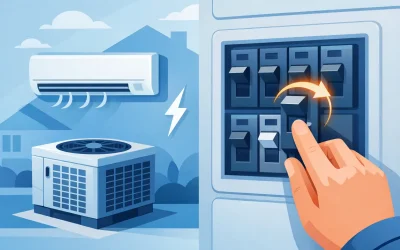
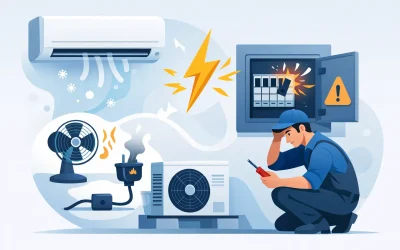
Electrical faults are one of the biggest reasons split systems stop without warning. Capacitors, terminals, isolators and wiring can all deteriorate over time. A proper service should include checking electrical connections for signs of looseness, overheating or damage.
This is not just about whether the system turns on. It is about whether it is operating safely and within normal parameters. Burnt terminals or failing capacitors often give some warning if someone is looking for them. Left alone, they become emergency repairs.
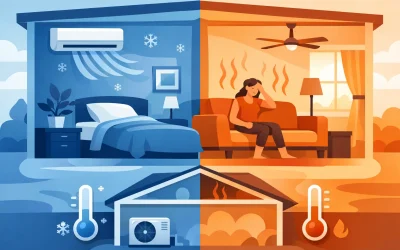
Controllers, sensors and communication between indoor and outdoor units also need checking. If a temperature sensor is out, the system may short cycle, overrun or fail to maintain the set point properly. Occupants usually notice this as inconsistent comfort rather than a clear fault code.
For commercial sites, documenting these checks is especially useful. It creates a maintenance history and helps with planning around ageing assets rather than reacting to failures one by one.
Refrigerant and performance checks
Not every service requires refrigerant adjustment, and topping up gas without finding the cause is not servicing. If refrigerant is low, there is a reason. A proper technician checks system pressures, operating temperatures and overall performance to identify whether the unit is within spec.
Low refrigerant can show up as poor cooling, icing, longer run times and higher energy use. But similar symptoms can also come from dirty coils or airflow restriction. That is why this part of the split system servicing checklist needs proper testing, not assumptions.
If a leak is suspected, that needs to be investigated properly. Repeatedly adding refrigerant without repairing the issue only delays the next problem and increases cost over time.
Hygiene, air quality and odours
A split system can cool a room and still be in poor condition. That is often the case when occupants notice musty smells, visible grime around outlets or irritation from poor air quality. Filters alone do not solve that.
A checklist should account for hygiene condition inside the unit, particularly the coil, fan barrel and drain components. In homes, this affects comfort and cleanliness. In workplaces, schools, hospitality and care environments, it also affects occupant experience and site presentation.
Deep cleaning is not needed every single visit, but it should be recommended when the condition of the unit calls for it. There is no point pretending a quick service will fix a unit that needs a proper hygiene clean.
How often should servicing happen?
It depends on how hard the system works and where it is installed. A typical household split system used through summer should usually be serviced at least once a year. If it runs most days, if someone in the home has allergies, or if the environment is dusty or humid, more frequent attention can be worthwhile.
Commercial systems often need a scheduled maintenance program rather than an annual check. Higher operating hours, multiple occupants and tighter performance expectations change the equation. A café, classroom or office relying on air conditioning every day has less room for error than a spare room at home.
That is where a tailored schedule makes more sense than a generic rule. The right interval is the one that keeps performance stable and avoids reactive repairs.
When a checklist points to repair or replacement
Servicing does not fix everything. Sometimes the checklist shows a unit is simply dirty and overdue for maintenance. Other times it reveals recurring leaks, failing electrical parts, coil deterioration or efficiency issues that make repair less attractive.
Age matters, but condition matters more. A well-maintained system can keep going reliably for years. A neglected one can become expensive well before its expected lifespan. The value of the checklist is that it gives you a clearer basis for the next decision, whether that is clean, repair, monitor or replace.
For property owners and managers, that clarity matters. It helps avoid spending money twice – once on a stop-gap repair and again on a rushed replacement soon after.
What to expect from a proper service visit
A proper service should leave you with more than a clean-looking unit. You should know how the system is performing, whether there are any faults developing, and whether any follow-up work is recommended. If a technician cannot explain what was checked and why it matters, the service was probably too light.
For larger properties or commercial portfolios, consistency is just as important as technical skill. A clear checklist, solid reporting and responsive follow-up make maintenance easier to manage. That is one reason many Brisbane clients use a specialist team rather than waiting for breakdowns and hoping for a quick fix.
Big Dog Mechanical works with both residential and commercial customers, so the approach stays practical – inspect properly, fix what needs fixing, and keep the system doing its job without fuss.
If your unit has been noisier than usual, struggling in the afternoon heat or showing signs of dirt, leaks or poor airflow, do not wait for it to stop altogether. The best time to use a split system servicing checklist is before the next hot spell puts the system under pressure.