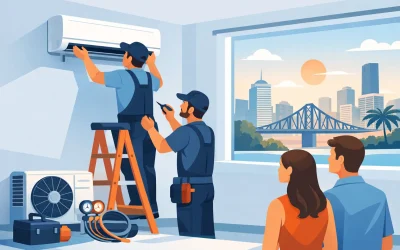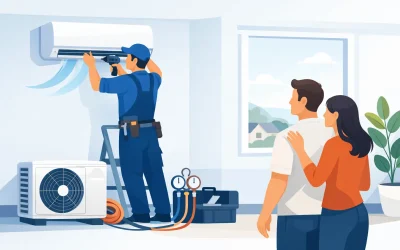
When a cooling system fails in an aged care residence during a Queensland heatwave, it is not simply an inconvenience for staff and visitors. Residents can become uncomfortable or unwell quickly, routines are disrupted, and the maintenance team is left managing an urgent operational problem. Commercial HVAC for aged care needs to deliver dependable temperature control, healthy indoor air and practical backup when equipment does fail.
Aged care facilities place different demands on air conditioning than a standard office or retail site. Systems may run for long hours across resident rooms, shared lounges, dining areas, medication rooms, kitchens and administration spaces. Each area has different occupancy, heat loads and ventilation needs. The right approach is not just choosing a larger unit. It is designing, maintaining and managing an HVAC system around the people and operations it supports.
Commercial HVAC for aged care is a care issue
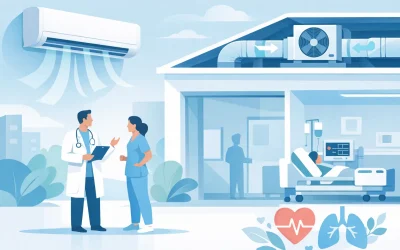
Older residents can be more sensitive to heat, cold, humidity and poor air quality. A room that feels only slightly warm to a healthy visitor may be unsuitable for a resident with limited mobility, respiratory concerns or difficulty regulating body temperature. Consistent indoor conditions matter, particularly through Brisbane’s humid summers and cooler winter mornings.
Comfort also affects the daily experience of residents. Excessive noise from rattling fan coils, harsh draughts across a bed or chair, and rooms that vary widely in temperature can all create frustration. Staff should not need to move residents between spaces or rely on portable fans because a permanent system is not keeping up.
That is why aged care HVAC decisions should start with the lived environment, not just the plant room. A capable mechanical contractor will assess how spaces are used, when they are occupied and where complaints or failures occur most often. This leads to practical improvements rather than a one-size-fits-all recommendation.
Start with the whole building, not the failed unit
A failed split system can look like an isolated repair job. In an older facility, however, repeated breakdowns may point to a wider issue: ageing equipment, undersized capacity, poor airflow, blocked filters, failing controls or neglected condenser coils. Replacing one unit may restore a room temporarily without addressing the reason it failed.
An HVAC asset audit gives facility managers a clear picture of what is installed, its condition, likely service life and maintenance history. It also identifies equipment that is approaching a high-risk period before it becomes an after-hours emergency. This is particularly useful across facilities that have expanded in stages and now operate a mix of different brands, ages and system types.
The best replacement strategy depends on the site. If several room units are old, unreliable and expensive to repair, a staged upgrade can be more sensible than waiting for failures. Where central plant or VRV/VRF equipment still has useful life, targeted restoration and control upgrades may provide better value. The goal is to spend money where it reduces risk and improves performance, not replace equipment for the sake of it.
Temperature control needs zone-by-zone thinking
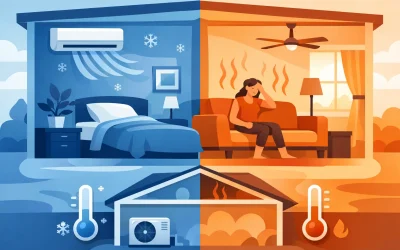
Aged care buildings rarely have one uniform temperature requirement. Resident bedrooms need quiet, stable comfort. Dining rooms can quickly warm up at meal times. Activities rooms experience changing occupancy. Offices, laundry spaces and kitchens have their own heat loads, while medication storage areas may require more tightly managed conditions.
Zoning allows the system to respond to these differences rather than pushing the same setting across an entire wing. It can reduce energy waste and help avoid common complaints, such as one side of a corridor being too cold while another is too warm. Controls should also be straightforward for authorised staff to use. Complex settings that no one understands often lead to poor outcomes and unnecessary call-outs.
There is a trade-off. More advanced controls and zoning can improve comfort and efficiency, but they need correct commissioning, clear documentation and ongoing support. A system packed with features is not automatically better if the facility cannot monitor it or staff cannot confidently operate it.
Airflow and humidity are just as important
Temperature tells only part of the story. In Queensland, high humidity can leave rooms feeling sticky even when the thermostat appears to be on target. It can also contribute to condensation, mould concerns and uncomfortable sleeping conditions. Properly sized equipment, clean coils, sound drainage and correct fan settings all play a role in managing moisture.
Airflow needs attention too. A blocked return grille, dirty filter or poorly balanced duct can restrict performance and make a system work harder than it should. In resident areas, airflow should be delivered gently and evenly rather than directly onto beds or seating. Small adjustments to grilles, controls or ductwork can make a noticeable difference to comfort.
Clean air requires planned maintenance
HVAC hygiene is a practical part of facility care. Filters, coils, condensate trays and ducted components collect dust and moisture over time. If servicing is delayed, air quality can suffer, odours can develop and equipment efficiency can drop. Drainage issues may also lead to water leaks that damage ceilings, walls or resident rooms.
A preventative maintenance programme should be based on the equipment type, operating hours and environment, not an arbitrary annual visit. High-use systems and areas with greater hygiene demands may require more frequent checks. During scheduled servicing, technicians should inspect operational performance, clean relevant components, check drainage, test electrical connections and identify wear before it turns into a failure.
Maintenance records matter as much as the service itself. Facility managers need visibility of completed work, identified faults, recommendations and upcoming risks. Clear reporting supports budgeting, helps demonstrate a proactive approach to asset care and gives management useful information when planning upgrades.
Plan for failures before they happen
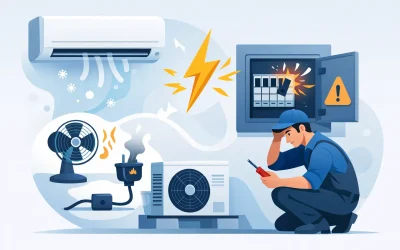
Even well-maintained HVAC equipment can fail. The difference is how quickly the facility can respond and whether there is a workable plan while repairs are underway. For aged care, breakdown response should be treated as an operational priority, particularly in extreme weather or when the affected area houses vulnerable residents.
A practical response plan identifies critical areas, key contacts, equipment access requirements and temporary measures that can protect residents while repairs are completed. It should also account for after-hours support. A fault at 6 pm on a Friday should not wait until the following week if it affects resident comfort or essential operations.
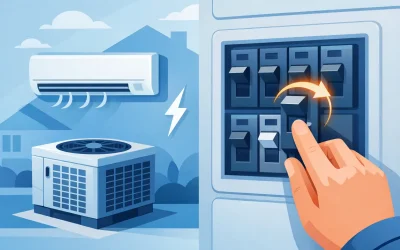
Facility teams can reduce delays by keeping plant rooms accessible, maintaining accurate equipment details and reporting early warning signs. Unusual noise, short cycling, water leaks, weak airflow and repeated temperature complaints are worth investigating early. Waiting until a unit stops entirely usually increases cost and disruption.
Energy efficiency should not compromise comfort
Aged care operators face real pressure to manage energy costs, especially where air conditioning operates across large areas for extended periods. Efficient HVAC performance can reduce running costs, but cutting operating hours or raising set points without considering residents can create bigger problems.
The most effective savings usually come from the basics: correctly sized equipment, clean coils and filters, well-sealed ductwork, sensible zoning, functioning controls and replacement of inefficient equipment at the right time. Monitoring consumption can also reveal systems that are running excessively or struggling to maintain set temperatures.
For some sites, an upgrade to modern inverter-driven equipment or improved central controls may be justified. For others, restoring existing assets and tightening the maintenance programme will deliver better immediate value. The right decision depends on the condition of the system, the building layout, resident needs and the available capital budget.
Choose a contractor who understands the operating environment
Aged care HVAC work requires more than technical skill. Contractors need to work respectfully around residents, coordinate with facility staff, keep work areas clean and minimise noise and disruption. They also need the technical breadth to support everything from individual split systems to ducted units, VRV/VRF systems and central plant.
For Brisbane facilities, a local contractor with preventative maintenance, emergency repair and upgrade capability can provide continuity from the first audit through to long-term support. Big Dog Mechanical works with commercial operators to keep air conditioning assets reliable, efficient and ready for demanding conditions.
The most useful next step is often an honest review of the equipment already in place. Understanding which assets are dependable, which are costing too much to maintain and which spaces need better control gives facility managers a clear path to improve resident comfort before the next hot spell puts the system under pressure.