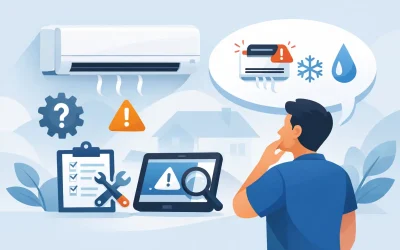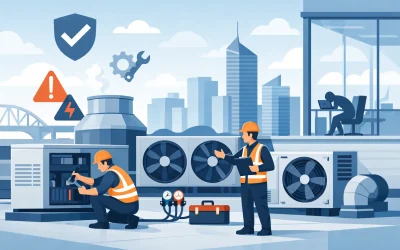
When water gets into an air conditioning system, the damage is rarely limited to what you can see from the outside. A wet ceiling cassette, a soaked duct run, or a split system that copped stormwater can quickly turn into electrical faults, corrosion, poor air quality, and a unit that never quite performs the same again. That is why aircon restoration after water damage needs to be handled properly from the start.
For homeowners, that might mean saving a system after a roof leak or burst pipe. For facility managers and business operators, it can mean limiting downtime, protecting indoor conditions, and making sure the system is still safe and compliant before it goes back into service. In both cases, the big mistake is assuming that if the unit powers on, the problem is over.
What water damage does to an air conditioning system
Air conditioning systems are built to manage condensation, not uncontrolled water exposure. There is a big difference between normal condensate draining through the system and floodwater, rainwater ingress, plumbing leaks, or water entering electrical compartments.
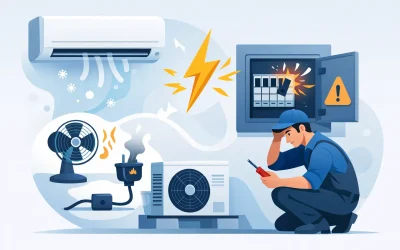
Once that happens, several issues can start at the same time. Electrical components can short, insulation can break down, and metal parts can begin corroding long before visible rust appears. Filters, insulation, and duct linings can hold moisture and become a breeding ground for mould. Motors and fan assemblies may keep running for a while, then fail early because moisture has compromised bearings or wiring.
The type of water matters too. Clean water from a minor leak is one thing. Dirty water from a storm event, overflow, or contaminated source is another. That kind of exposure raises the risk of hygiene issues inside the system, especially where moisture has reached internal insulation, ductwork, drain trays, or return air sections.
Aircon restoration after water damage is not just drying it out
A common assumption is that restoration means letting the unit dry and replacing a part if it stops working. In reality, proper restoration is a structured process. The goal is to assess what can be saved, what must be replaced, and whether the system can be returned to safe and reliable operation.
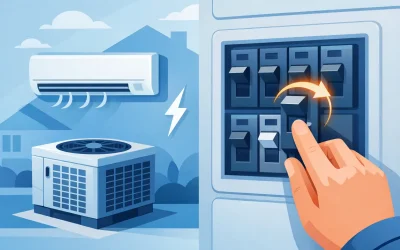
That starts with isolation and inspection. If there is any chance water has reached powered components, the system should not be run until it has been checked. Turning it back on too early can turn a repairable issue into a much more expensive failure.
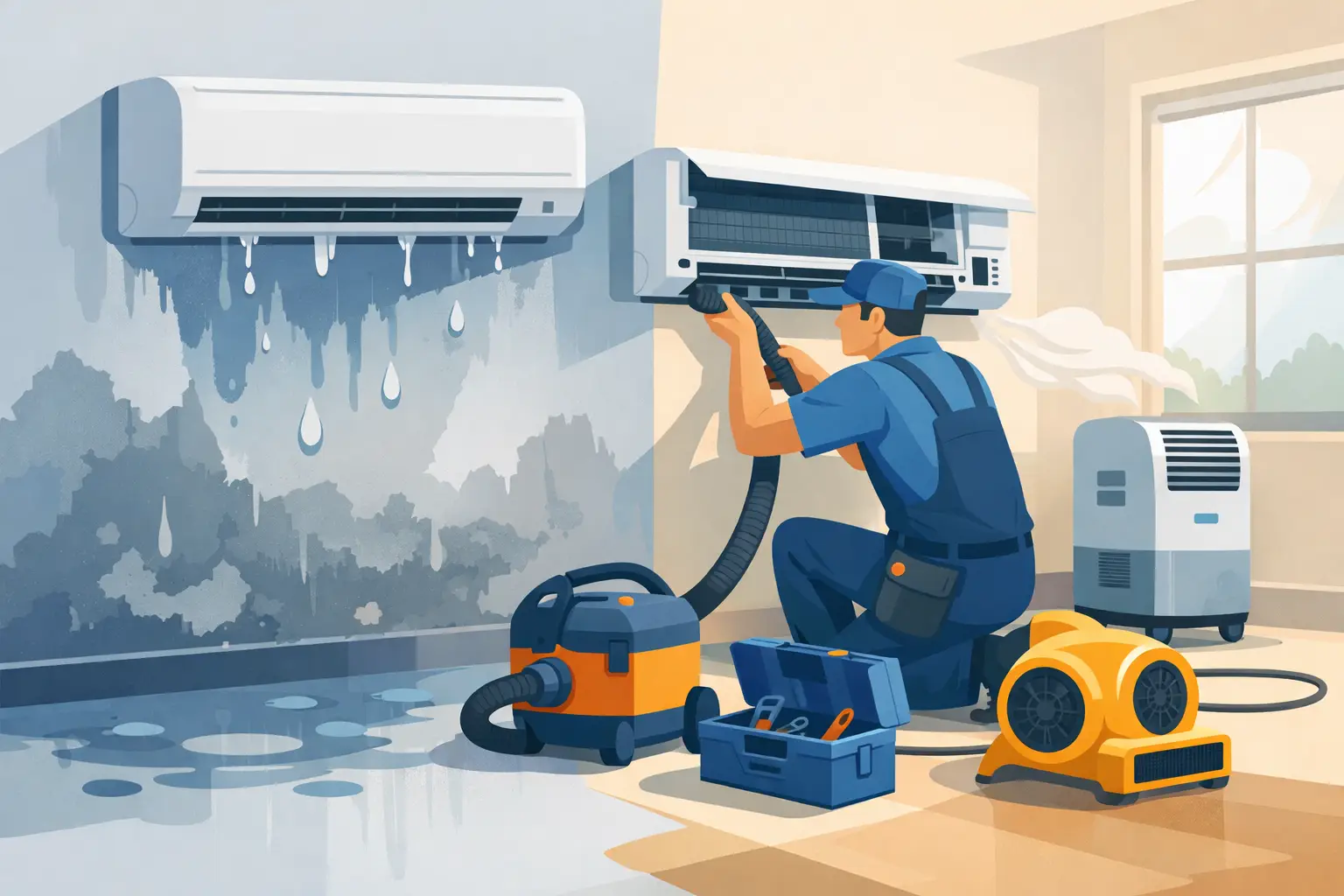
From there, the work may involve stripping covers, inspecting electrical sections, testing boards and controls, checking motors, cleaning contaminated internal components, drying or replacing affected insulation, and assessing duct sections for water retention or microbial growth. In some jobs, restoration is straightforward. In others, the extent of contamination or component failure makes replacement the better option.
The first 24 to 48 hours matter most
Speed makes a real difference after water exposure. The longer moisture sits inside a system, the greater the risk of corrosion, mould growth, odour issues, and hidden degradation. This is especially true in Queensland conditions, where heat and humidity can accelerate the problem.
If the unit has been exposed to water, the immediate priority is to switch it off at the isolator if it is safe to do so and avoid using it until it has been assessed. If water is still entering from a roof leak, burst pipe, or drain overflow, that source also needs to be addressed. There is no point restoring an air conditioning system while water is still getting in.
For commercial sites, a quick response also helps with continuity. In hospitality, education, aged care, and office environments, losing climate control can affect operations fast. Acting early gives you the best chance of containing the damage and reducing downtime across the site.
What a proper assessment should cover
Not every wet system needs a full replacement, but not every system is worth restoring either. A proper assessment should look beyond the visible water marks.
Electrical safety is the first priority. Control boards, contactors, terminals, sensors, capacitors, and wiring connections all need attention where water exposure is suspected. Then the mechanical side needs checking – fan motors, blowers, coils, drain trays, pumps, duct insulation, and any areas where water may have pooled or travelled.
Performance matters just as much as safety. A system might run after drying, but still have reduced efficiency, airflow issues, intermittent faults, or contamination inside the air path. That is where experience counts. Restoration should not stop at getting the unit to start. It should confirm the system is fit to operate as intended.
When restoration is viable and when replacement makes more sense
This is where a lot of jobs come down to cost versus risk. If the water exposure was minor, caught early, and limited to accessible components, restoration is often a sensible option. Cleaning, drying, targeted part replacement, and testing can return the system to reliable service.
If the unit has had heavy water ingress, prolonged saturation, contaminated water exposure, or major electrical damage, replacement may be the smarter call. The same applies where duct insulation is soaked through, mould is established, or the equipment is older and already near the end of its service life.
For commercial systems, the decision may also depend on operational pressure. If a site cannot afford repeated faults or uncertain performance, replacing heavily affected components can be better value than trying to salvage everything. For homeowners, the tipping point is often whether the restoration cost is getting too close to the cost of a newer, more efficient unit.
Air quality risks after water damage
One of the most overlooked parts of aircon restoration after water damage is indoor air quality. Moisture trapped in filters, insulation, duct liners, or indoor units can create the ideal conditions for mould and bacteria. Sometimes the first sign is a musty smell when the unit runs. Other times, the problem sits hidden inside the system and only shows up later as odour, staining, or ongoing allergy complaints.
That is why hygiene cleaning and internal inspection matter after a water event. Surface cleaning alone is not enough if moisture has reached internal sections of the unit or duct system. Restoring safe operation means dealing with contamination risk properly, not masking it.
In settings like aged care, education, or health-adjacent environments, that standard becomes even more important. Occupants may be more sensitive to air quality issues, and the cost of cutting corners can show up well after the original leak has been forgotten.
Residential and commercial jobs are not the same
The principles are similar, but the restoration approach often differs depending on the site. In a home, the focus is usually on getting one split or ducted system safely back online with minimal disruption. Access is often easier, but ceiling space water damage can complicate ducted systems quickly.
In commercial buildings, there may be multiple indoor units, larger duct networks, central controls, tenant pressures, and compliance considerations. Damage can also be less obvious because the affected area may sit above ceilings or inside plant spaces that are not checked every day. A proper restoration plan needs to account for the system as a whole, not just the wet component that first drew attention.
That broader view is where a specialist HVAC contractor earns their keep. With the right technical range, the same team can assess a small wall split or a more complex VRV, VRF, or central plant-related issue without guessing.
How to reduce the chance of repeat damage
After restoration, it is worth looking at why the water damage happened in the first place. Some causes sit outside the air conditioning system, such as roof failures, blocked gutters, storm entry points, or plumbing leaks. Others are HVAC-related, including blocked drains, failed condensate pumps, cracked trays, poor installation falls, or neglected maintenance.
Preventative maintenance helps here. Routine inspections can pick up drain issues, corrosion, insulation deterioration, and hygiene problems before they turn into a major restoration job. For commercial sites, that means better asset visibility and fewer unpleasant surprises. For homeowners, it usually means avoiding the sort of breakdown that happens on the hottest day of the year.
If your property has already had a water event, it also makes sense to monitor the system closely in the weeks that follow. Intermittent electrical faults, reduced airflow, odd smells, noisy operation, or water leaks should not be brushed off as minor after-effects. They are often signs the damage went deeper than first thought.
When air conditioning has been exposed to water, the safest move is not the quickest patch-up. It is getting the system properly assessed, restored where it makes sense, and replaced where it does not. Done right, you protect the equipment, the air quality, and the people relying on it every day.