A central plant failure rarely stays contained to the plant room. It can mean uncomfortable tenants, disrupted classes, unhappy guests, vulnerable aged care residents and a facility team scrambling to protect operations. Proper central plant maintenance services are designed to prevent that pressure from building in the first place.
For commercial properties across Brisbane, central plant maintenance is not just a scheduled service visit. It is a practical program for keeping complex HVAC equipment reliable, efficient and fit for the demands placed on it. The right approach gives facility managers clearer asset visibility, fewer avoidable call-outs and better control over long-term costs.
What central plant maintenance services should cover
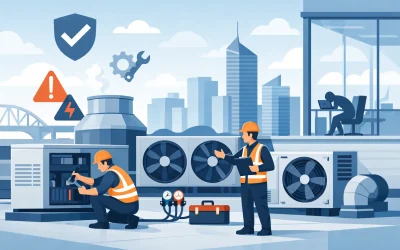
A central plant may include chillers, boilers, cooling towers, pumps, air handling units, condenser water systems, controls and associated pipework. Each component affects the performance of the system around it. A pump that is operating poorly, for example, can reduce flow and put extra strain on the chiller. A dirty cooling tower can compromise heat rejection and increase energy use.
That is why maintenance needs to look beyond a quick visual check. A capable technician assesses how the plant is operating as a whole, identifies early warning signs and records the condition of key assets. The goal is to correct small issues before they become a breakdown, an after-hours emergency or a major capital expense.
A planned service program will usually include inspection, cleaning, testing, adjustment and reporting. The exact scope should reflect the equipment installed, its age, operating hours, building use and manufacturer requirements. A school, hospitality venue and office building may all run similar equipment, but their risk profile and maintenance priorities can be very different.
Mechanical checks that protect performance
Mechanical wear is unavoidable, particularly in Queensland conditions where air conditioning systems often work hard for long periods. During maintenance, technicians should check motors, belts, bearings, vibration, pumps, valves, strainers, insulation and pipework for signs of deterioration.
Cooling towers require particularly close attention. Poor water quality, blocked nozzles, scale and biological growth can affect both plant performance and hygiene obligations. Regular cleaning, treatment oversight and inspection help maintain efficient operation while supporting a safer building environment.
Chillers and associated equipment also need operating readings checked against expected performance. Refrigerant pressures, temperatures, water flow, electrical load and controls behaviour can reveal issues long before occupants notice a comfort problem.
Controls, electrical and safety checks
Central plant performance is heavily influenced by controls. If schedules are wrong, sensors are inaccurate or setpoints have been changed without review, the system may run longer than necessary or struggle to meet demand. This wastes power and can create the false impression that the plant itself is failing.
Maintenance should include checks of control sequences, alarms, sensors, actuators, variable speed drives and electrical connections. For sites with a building management system, trend data can be useful for spotting abnormal behaviour such as repeated cycling, overnight load or gradual loss of capacity.
Safety and compliance also need to be part of the conversation. Requirements vary according to the equipment, building type and duty of care obligations, so there is no one-size-fits-all checklist. What matters is that servicing is documented, risks are identified clearly and recommended work is prioritised rather than left vague.
Why reactive repairs cost more than planned maintenance
Waiting for a central plant to fail can appear cheaper when budgets are tight. In reality, reactive work often costs more because the fault has had time to affect other parts of the system. There may be lost trading time, tenant complaints, temporary cooling measures, urgent parts freight and overtime labour on top of the repair itself.
A planned maintenance program does not guarantee that equipment will never fail. Components can still reach end of life, storms can damage electrical systems and an unforeseen fault can occur. What it does provide is a much better chance of finding the loose connection, blocked strainer, degraded belt or control issue before it causes a larger outage.
It also makes budgeting easier. Condition reports and asset data help property owners see which equipment needs attention now, which items should be monitored and which assets should be included in a future replacement plan. That is far more useful than being told a major repair is required after the system has already stopped.
Signs your central plant needs attention
Not every issue triggers an alarm. Some of the most costly problems develop gradually and become normalised by the people working in the building. Rising electricity bills, complaints about hot or cold areas, inconsistent humidity, unusual noise and repeated minor faults are all worth investigating.
Other warning signs include longer run times, a plant that cannot maintain temperature during peak demand, visible leaks, corrosion around equipment, frequent manual resets or a growing reliance on temporary fixes. If one area of the building is consistently affected, the cause may sit in the controls, air distribution or water side of the system rather than the unit serving that space.
Facility managers should also pay attention to the quality of past service records. If reports only say that a unit was serviced, without readings, findings, photographs or clear recommendations, they do not give you much confidence in the condition of your plant. Good maintenance reporting turns service history into a useful management tool.
Build a maintenance plan around the building, not a generic checklist
The best maintenance frequency depends on use. A central plant serving a busy hospitality venue, medical setting or aged care facility may need closer monitoring than one in a lightly occupied office. High operating hours, critical temperature requirements, older equipment and difficult access can all justify a more detailed plan.
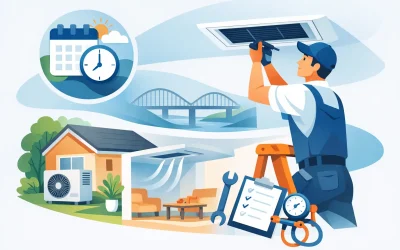
Start with an asset audit if equipment records are incomplete or outdated. This should identify what is installed, its age, condition, capacity, known faults and likely maintenance needs. From there, the maintenance schedule can be tailored around seasonal demand and critical operating periods.
For example, it makes sense to inspect and prepare cooling equipment before the hottest part of the Brisbane summer, rather than discovering capacity issues during a heatwave. Planned works can then be scheduled with less disruption to tenants, staff, students or customers.
A practical program should set out what is included at each visit, how often major components are inspected, what reporting is provided and how urgent defects are handled. It should also distinguish between routine maintenance, repairs and capital upgrades. Blurring those categories can make costs difficult to understand and decisions harder to make.
When repair, upgrade or replacement is the smarter call
Maintenance keeps equipment in good working order, but it cannot make an ageing or undersized plant perform like a new system. There comes a point where repeated repairs no longer represent good value. The decision depends on reliability, energy consumption, parts availability, repair cost and whether the system still meets the building’s needs.
An upgrade may be the right answer where controls are outdated, pumps are inefficient or zoning no longer suits the tenancy layout. Replacement may be more sensible when a major component is at end of life and repair costs are becoming repetitive. On the other hand, a targeted repair can still be the most economical option when the plant is otherwise in sound condition.
This is where honest advice matters. A maintenance provider should explain the options, the operational risk and the likely cost implications without pushing a replacement before it is justified. For complex sites, staged upgrades can reduce disruption and spread capital expenditure over time.
Choose a team that can respond when the plan changes
Even well-maintained equipment can develop an urgent fault. Your provider needs the technical breadth to diagnose central plant issues quickly, communicate clearly with site contacts and coordinate repairs without unnecessary delays. That includes understanding the relationship between the plant room, controls, air handling equipment and the spaces people actually occupy.
Big Dog Mechanical supports commercial clients with preventative maintenance, asset condition reporting, repairs and responsive HVAC support. The focus is straightforward: keep the plant operating properly, identify risks early and give you clear information to act on.
A well-run central plant should not demand constant attention from your team. Put the right maintenance plan in place now, and your next peak-demand day is far more likely to be business as usual.