A hot Brisbane afternoon quickly exposes whether your air conditioning suits the way you actually live. The split system vs ducted aircon decision is not simply about which unit costs less to install. It is about the rooms you use, how many people are at home during the day, your property layout and what you expect from the system over the next decade.
For some households, a well-sized split system in the living area and bedrooms delivers excellent comfort without overspending. For others, ducted air conditioning provides cleaner whole-home coverage, quieter operation and the control needed for a busy family home. The right answer comes from a proper assessment, not a one-size-fits-all recommendation.
Split system vs ducted aircon: the core difference
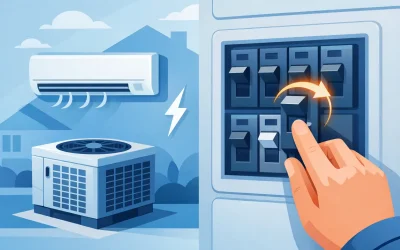
A split system has an indoor wall-mounted unit connected to an outdoor condenser. It is designed to condition a specific room or open-plan area. You can install one system where comfort matters most, or several separate systems across the home.
Ducted air conditioning uses one central indoor fan coil, usually installed in the ceiling space, with ducts supplying conditioned air through ceiling grilles in multiple rooms. Most modern ducted systems use zoning, allowing selected areas of the home to be switched on or off from a central controller.
That difference drives nearly every practical consideration: upfront cost, visual appearance, running costs, installation work and how precisely you can control each room.
When a split system makes more sense
A split system is often the practical choice when you need to cool or heat one or two key spaces. This may be a lounge room that takes the afternoon sun, a main bedroom that is uncomfortable at night, a home office, or a small granny flat.
The main benefit is targeted comfort. If only one room is occupied, you only need to run the air conditioner serving that room. With the right capacity, a quality inverter split system can be very economical for this type of use.
Split systems are also generally less invasive to install. There is no need for ceiling ductwork, multiple supply grilles or a large central return-air path. This can make them well suited to apartments, older Queensland homes with limited roof space, and staged upgrades where the budget does not allow a whole-home system immediately.
There are trade-offs. Wall units remain visible, and a separate split system is needed for every independently conditioned room. A home with four or five indoor units can end up with multiple outdoor condensers, more remotes and a less consistent look. Temperature can also vary between rooms, particularly if doors are left open and the system is trying to serve areas beyond its intended capacity.
Split systems work well for
Split systems are a strong fit for smaller homes, rental properties, room additions and households that mainly use a limited number of spaces at any one time. They are also useful where occupants have very different comfort preferences, because each unit can be set independently.
For a small office or retail tenancy, splits can be a cost-effective solution where the layout is straightforward and the heat load is modest. The design still needs care. Sun exposure, equipment, staff numbers and glass frontage can all change the required capacity.
When ducted air conditioning is worth the investment
Ducted air conditioning is designed for whole-home comfort. Rather than relying on several visible wall units, it delivers conditioned air through discreet ceiling outlets across bedrooms, living spaces and other nominated zones.
For many homeowners, the biggest drawcard is consistency. Bedrooms can be comfortably cooled overnight, living areas can be conditioned during the day, and the system can be managed from one controller. Zoning lets you run only the areas needed, such as the bedroom wing at night or the main living zone on weekends.
Ducted systems can also suit homes where presentation matters. The visible components are limited to ceiling grilles and a controller, which preserves wall space for artwork, cabinetry and furniture. In low-noise settings, the central fan coil can also feel quieter than a wall-mounted unit, depending on the design and fan speed.
The upfront investment is higher because the job involves more equipment, ducting, electrical work, ceiling access and installation time. It is usually easiest and most cost-effective to install during a new build or major renovation, although retrofitting is possible when the roof cavity and access allow it.
A ducted system is not automatically the cheapest to run. Efficiency depends on correct sizing, duct design, insulation, zoning and operating habits. Cooling the entire house when only one person is using a bedroom will use more energy than running a single split. On the other hand, a correctly designed zoned system can be a highly practical and efficient answer for a household that regularly uses several rooms.
Ducted aircon works well for
Ducted air conditioning usually suits family homes with multiple bedrooms, larger floorplans and regular whole-home use. It is particularly valuable where people want consistent comfort throughout the property rather than managing separate units room by room.
It can also be the better long-term choice for owner-occupiers planning renovations or building new. Designing the system around the property from the start provides better grille placement, return-air design and zone control than trying to add capacity later.
Compare the costs beyond the quote
Installation price matters, but it should not be the only figure used to compare split system vs ducted aircon. A cheaper system that is undersized, poorly positioned or difficult to service can become expensive through higher power bills, comfort complaints and premature repairs.
With split systems, consider how many rooms will eventually need individual units. A single unit may be affordable now, but installing multiple systems over several years can change the total cost. Check where outdoor units will be located, how condensate drainage will be managed and whether the electrical supply can support future additions.
With ducted air conditioning, the quote should account for the full design, not just the brand and headline capacity. Ceiling space, duct lengths, return-air location, number of zones, controller options and access requirements all affect performance and cost. Tight roof cavities, heritage details and difficult access can add complexity.
Maintenance is another factor. All air conditioning systems need regular filter cleaning and professional servicing to operate efficiently. Ducted systems have more components and concealed ductwork, while multiple splits mean multiple indoor units and filters to maintain. Neither option is maintenance-free.
Energy efficiency comes down to system design and use
The most efficient system is one that matches the home and the way it is used. Capacity should be calculated from more than room size. Ceiling height, insulation, window orientation, glazing, occupancy, appliances and Brisbane humidity all matter.
An oversized unit can cycle too quickly and struggle to manage humidity properly. An undersized unit may run continuously on hot days without reaching the desired temperature. Both outcomes waste energy and reduce comfort.
For split systems, use sensible temperature settings and keep doors and windows closed in the conditioned area. Clean filters regularly and avoid placing furniture where it blocks airflow.
For ducted systems, zoning is where much of the value sits. Only activate the zones you need, keep supply and return-air grilles clear, and have the system checked before peak summer. Poorly sealed or damaged ducts can undermine the efficiency gains expected from a central system.
Questions to settle before choosing
Start with how the home is used on a normal weekday and a typical weekend. Are most people gathered in one living area, or does every bedroom need overnight cooling? Is someone working from home? Do you want one system to manage the whole house, or are you happy using separate remotes?
Then look at the building itself. A Queenslander, a townhouse, an apartment and a new-build family home each present different installation opportunities. Ceiling access, wall space, outdoor-unit positions and electrical capacity can make one option clearly more suitable.
Finally, think beyond the next summer. If you are renovating soon, a ducted design may be easier to incorporate now. If you need fast, targeted relief in one room, a split system may be the smarter immediate investment. A site inspection can identify the heat load, access constraints and control options before money is committed.
Big Dog Mechanical helps Brisbane homeowners and businesses assess these details properly, with system recommendations based on the property, usage and budget rather than a standard package.
The best air conditioning choice is the one you will use confidently on the hottest day of the year, without paying to cool rooms that do not need it. Start with your floorplan, your daily routine and a clear view of the installation conditions, then choose the system that delivers reliable comfort for the long haul.