A split system can still blow cold air while quietly circulating dust, moisture and grime through the room. That is why split system cleaning Ashgrove households book at the right time is about more than making the unit look tidy. It helps protect indoor air quality, keeps airflow moving properly and gives the system a better chance of handling Brisbane’s long, humid cooling season.
For homes, offices and small commercial spaces, a proper clean is a practical part of looking after the equipment. It is also different from a quick wipe of the cover or a rinse of the filters under the tap.
What a professional split system clean should cover
The indoor head unit is where most hygiene issues begin. Air is drawn through the filters and across the evaporator coil, then returned to the room. Over time, fine dust settles in the coil, drain tray and fan barrel. In Queensland humidity, that buildup can hold moisture and create the musty smell many people notice when the air conditioner first starts.
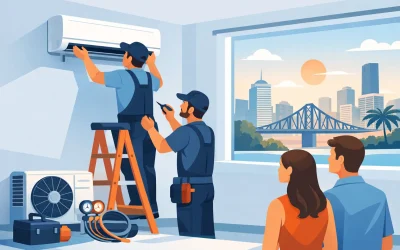
A thorough service starts with inspecting the unit and its operation. The technician checks airflow, cooling performance, filters, coil condition and the condensate drain. Filters are cleaned, but the work should not stop there. The coil, drain tray, fan barrel and accessible internal surfaces need attention because these are the areas that affect airflow, odour and water drainage.
The outdoor unit also deserves a check. Leaves, grass clippings, dust and poor clearance around the condenser can make it harder for the system to release heat. Cleaning the outdoor coil where required and checking the unit’s general condition supports efficient operation, particularly when it is working hard on hot afternoons.
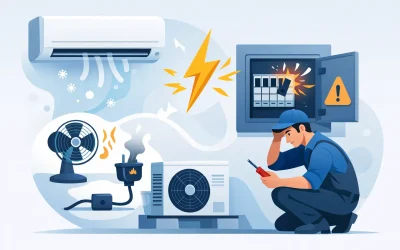
Cleaning is not a substitute for repairs. If a technician finds damaged electrical components, a refrigerant issue, a failed fan motor or a blocked drain that has caused damage, those faults need to be addressed separately. A reliable contractor will explain the difference clearly rather than treating every poor-performing system as a cleaning job.
Signs your split system is due for cleaning
The clearest sign is a stale or musty smell when the unit runs. This often points to moisture and grime around the indoor coil, drain area or fan barrel. It does not automatically mean the system is unsafe, but it is worth dealing with before the odour becomes a regular part of using the room.
Reduced airflow is another common warning. If the unit is set to a familiar fan speed but the air feels weak, clogged filters or internal buildup may be restricting circulation. A room that takes longer to cool can have several causes, including incorrect sizing or a mechanical fault, so cleaning should be part of a proper assessment rather than a guess.
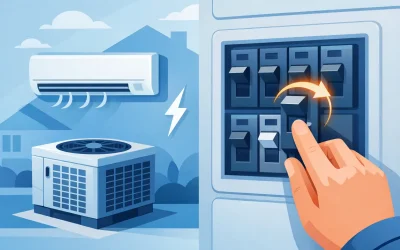
Watch for water dripping from the indoor unit, marks on the wall beneath it, unusual noises or a noticeable rise in running costs. A blocked condensate drain can lead to leaks, while rattles and scraping may indicate a component problem rather than dirt alone. Switching the system off and arranging an inspection is the sensible move if water is entering the room.
For businesses, the signs are often picked up by staff or customers before the manager sees them. Complaints about odour, uneven temperatures or a noisy wall unit can affect comfort in a reception area, consulting room, classroom or retail space. Early cleaning and servicing is usually less disruptive than waiting for a breakdown during a busy period.
How often should split systems be cleaned in Ashgrove?
There is no one interval that suits every system. A lightly used bedroom unit may only need professional attention less often than a main living-area unit running most days through summer. Homes with pets, nearby building work, open windows, smokers or allergy-sensitive occupants may need more frequent cleaning because filters and internal components collect contaminants faster.
As a practical baseline, clean the washable filters every few months during regular use and arrange professional servicing and hygiene cleaning at intervals suited to the system’s workload and condition. For heavily used units, an annual check is a sensible starting point. Commercial systems often need a planned maintenance schedule based on operating hours, occupancy and the environment they serve.
The best time to book is before peak heat arrives, not after the first stretch of hot weather exposes a problem. A pre-season service gives you time to deal with any faults found during the inspection and reduces the chance of a preventable interruption when the system is needed most.
Why a surface clean is not always enough
It is reasonable for homeowners to remove and wash filters according to the manufacturer’s instructions. Keeping the return-air path clear, wiping the outer casing and making sure furniture does not block airflow are useful habits too. These small tasks help maintain performance between professional visits.
But spraying household cleaners into the indoor unit can cause problems. Products may not be suitable for coils, plastics or electrical areas. Excess water can escape into the wall or room, and dislodged grime can block the drain line further down. The fan barrel and internal coil are also difficult to clean effectively without the right access, containment and equipment.
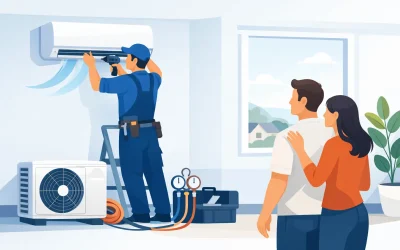
A professional clean is designed to protect the room as well as the unit. That means controlling runoff, cleaning accessible components carefully and testing operation when the work is complete. For a wall-mounted unit above carpet, timber flooring, a bed or office equipment, clean execution matters.
The performance benefits are real, but not automatic
A clean system can move air more freely and reduce odours caused by buildup. When dust is restricting airflow across the coil, cleaning can help the unit cool more effectively and avoid unnecessary strain. This may support lower energy use, but the result depends on the system’s age, condition, sizing and installation quality.
For example, cleaning will not fix a split system that is too small for a sun-exposed living room, has leaking refrigerant or has an outdoor unit installed in a poorly ventilated spot. It also will not solve heat entering through unshaded glass or poor insulation. Good advice considers the complete picture rather than promising that one service will resolve every comfort issue.
That said, regular maintenance is one of the most controllable parts of air conditioning ownership. It helps identify developing issues early, keeps the system presentable and gives a technician a clearer view of how the equipment is performing over time.
Choosing the right technician for the job
Look for an air conditioning specialist that understands both cleaning and system performance. The job should include more than a quote over the phone and a quick filter rinse on arrival. Ask what areas of the indoor unit will be cleaned, whether the drain will be checked and how the technician will protect the space below the unit.
For property managers and business operators, it is also worth asking about maintenance records, reporting and scheduling around tenants or trading hours. Consistent service history makes it easier to plan replacements, approve repairs and avoid repeated callouts for the same issue.
Big Dog Mechanical provides split system cleaning and servicing with the same practical approach used across residential and commercial HVAC work: inspect the system properly, explain what has been found and recommend work that suits the equipment and the site.
Keep the system working between visits
After cleaning, give the system the best chance of staying clean. Check filters regularly, keep doors and windows closed while cooling where practical, and leave clear space around the outdoor unit. If the system has a dry or self-clean mode, use it in line with the manufacturer’s instructions to help reduce residual moisture after operation.
Do not ignore a new smell, leak or change in airflow simply because the unit was cleaned recently. Conditions can change quickly during a humid summer, and an early inspection is generally easier than dealing with water damage or a complete failure.
A clean split system should be something you barely notice: steady airflow, comfortable rooms and no unpleasant smell when it starts. If yours is making itself known for the wrong reasons, arranging a proper inspection before the next hot spell is a straightforward way to get comfort back under control.