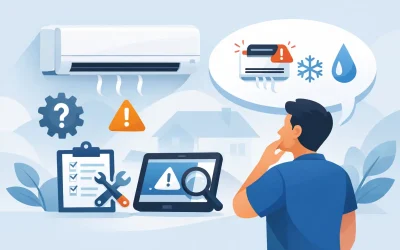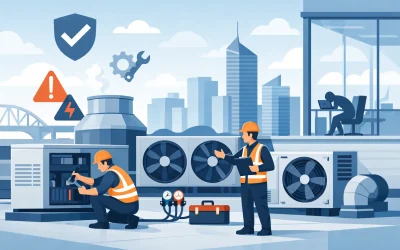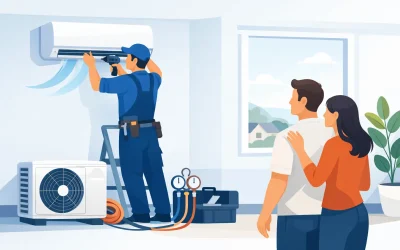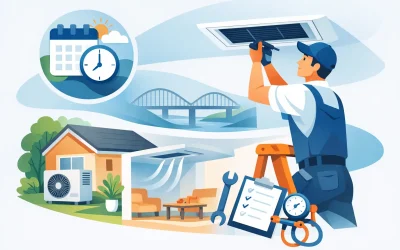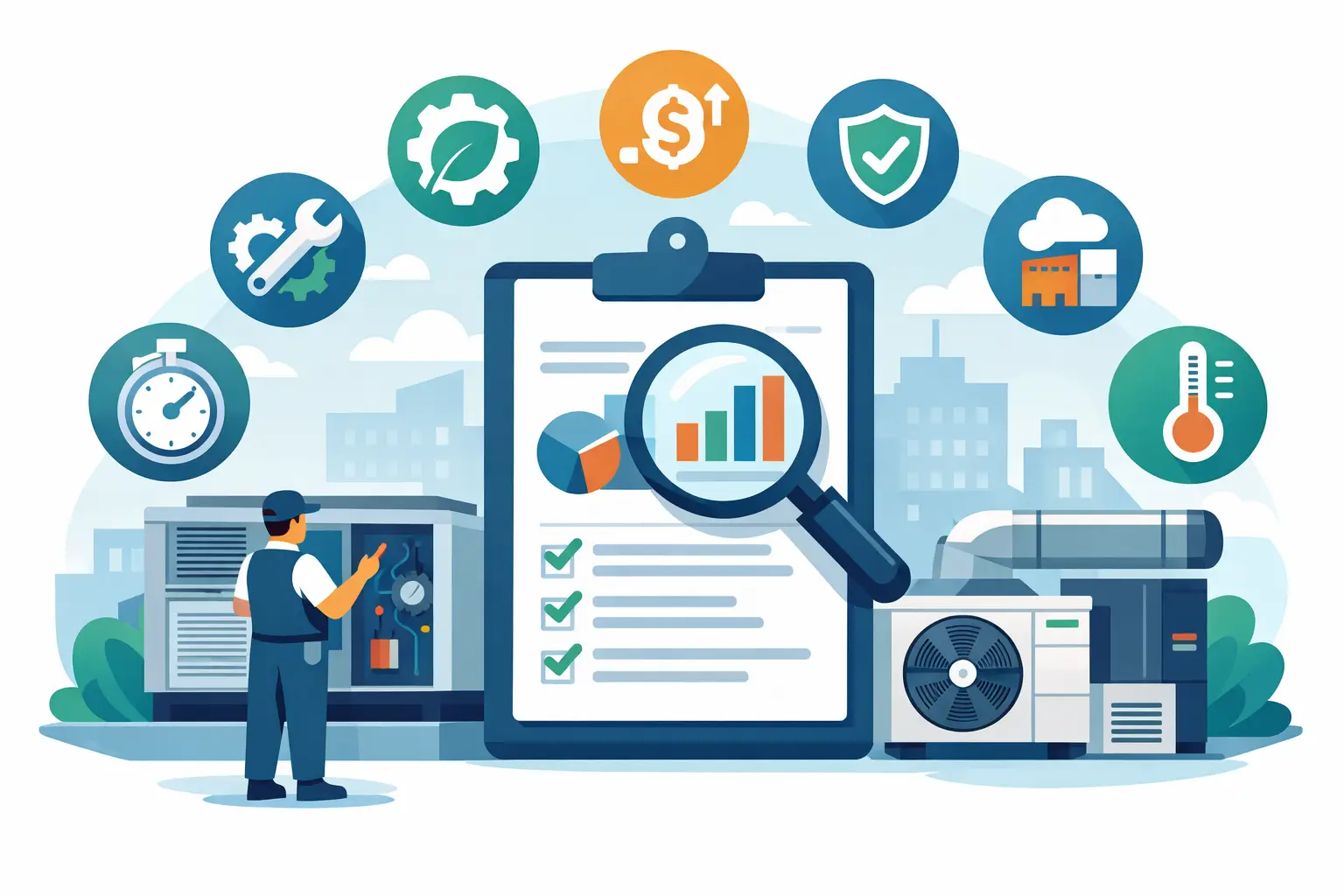
When an air conditioning system keeps getting serviced but still chews through power, breaks down at the wrong time, or leaves parts of a building too hot or too cold, the problem is often bigger than one faulty component. That is where the benefits of HVAC asset audits become clear. An audit gives you a proper picture of what equipment you have, how it is performing, what condition it is in, and what needs attention now versus later.
For facility managers, property owners and business operators, that visibility matters. For homeowners with larger ducted or multi-system setups, it matters too. If you are making decisions about maintenance, repairs, upgrades or replacement without reliable asset information, you are working off guesswork. And guesswork gets expensive.
What an HVAC asset audit actually covers
An HVAC asset audit is more than a quick site walk or a service checklist. It is a structured review of the equipment on site, including the type of system, age, condition, capacity, maintenance history, performance issues and any obvious compliance or safety concerns. Depending on the property, that can include split systems, ducted systems, package units, VRV or VRF equipment, ventilation components and central plant assets.
The point is simple. You need an accurate record of what is installed and how each asset is tracking. In commercial sites, that helps build a maintenance and capital works plan that matches the real condition of the plant. In homes, it can help identify whether ongoing repair costs are worth it or whether a smarter upgrade path makes more sense.
The main benefits of HVAC asset audits
1. Better visibility across your equipment
A lot of sites do not have a clean asset register. Units get added over time, model numbers are missing, service records are patchy, and no one is fully certain which system serves which area. That creates delays every time something needs to be repaired, maintained or budgeted for.
An audit brings order to that. You get a clear inventory of your HVAC assets and a better understanding of their role, age and condition. For commercial properties with multiple tenancies or large common areas, this stops maintenance from becoming reactive and messy. For homeowners, it removes the confusion around what was installed, when it was installed, and what shape it is in.
2. Fewer surprise breakdowns
One of the strongest benefits of HVAC asset audits is that they help uncover risk before it becomes an emergency callout. During an audit, signs of wear, poor performance, outdated equipment or neglected maintenance often stand out straight away. That might be a unit nearing end of life, a system that has been undersized from day one, or equipment that is working harder than it should because of hygiene or airflow issues.
Not every problem can be predicted, and no audit can guarantee zero breakdowns. But it can reduce the chance of being caught off guard. That matters in offices, hospitality venues, schools and care environments where loss of cooling can affect operations, comfort and compliance all at once.
3. Lower operating costs
If your HVAC system is one of the biggest energy users on site, poor asset performance can quietly drive costs up month after month. An audit helps identify where that waste is happening. Older units, equipment with declining efficiency, systems with inconsistent maintenance, and assets no longer suited to the space can all increase running costs.
The value here is not just spotting one bad unit. It is understanding the bigger pattern. Sometimes the answer is targeted maintenance. Sometimes it is hygiene cleaning, controls adjustment or staged replacement. Sometimes it is leaving a unit alone because it is still performing well. A good audit helps separate the assets that need action from the ones that do not.
4. Smarter maintenance planning
Without an audit, maintenance schedules can become too broad or too shallow. Some units get too much attention while others get overlooked. That wastes budget and still leaves risk in the system.
With proper asset data, maintenance can be planned around actual equipment type, age, duty and condition. That means a more practical preventative maintenance program and fewer decisions based on habit. If you manage multiple properties or a larger commercial site, this becomes especially useful because it supports consistency across the portfolio.
There is a trade-off here. An audit may reveal that your current maintenance plan needs to change, and that can mean more work or short-term spend in the near term. But that is generally better than paying for blanket servicing while high-risk assets slip through the cracks.
5. More accurate budgeting and capital planning
Most people do not mind spending money on HVAC when they have planned for it. The real problem is unplanned replacement, especially when it lands in the middle of summer or during a busy trading period.
Asset audits help you see which systems are likely to need major repairs, which are approaching end of life, and which still have useful years left in them. That lets you budget with a lot more confidence. Instead of replacing equipment too early or too late, you can stage upgrades based on condition, performance and business impact.
For commercial operators, this supports capital expenditure planning. For strata committees and property owners, it helps justify future works with real information rather than assumptions. For homeowners, it can stop the cycle of repeated repair bills on a system that is already on its last legs.
Why HVAC asset audits matter for compliance and risk
Compliance is not the only reason to audit HVAC assets, but it is often part of the picture. In commercial settings, ventilation performance, plant condition, access issues and maintenance records can all tie back to workplace expectations, building obligations or internal risk controls.
An audit will not replace detailed compliance inspections where those are required, but it can highlight areas that need closer attention. That might include poor access to equipment, deteriorated components, unclear asset labelling, missing records or systems that no longer match the needs of the building.
From a risk point of view, that matters because HVAC issues rarely stay isolated. A poorly performing system can affect indoor comfort, energy use, equipment life and occupant complaints at the same time. In some environments, it can also affect service delivery and reputation. Having a current view of your assets helps reduce that exposure.
Longer asset life, where it makes sense
Not every older unit needs replacing. Some systems, if well maintained and correctly applied, can continue to perform reliably for years. Others become expensive to keep alive long before they fully fail.
An audit helps make that distinction. It gives you a clearer basis for deciding whether to maintain, repair, restore or replace. That is one of the more practical benefits of HVAC asset audits because it prevents two common mistakes: throwing good money at bad equipment, or scrapping assets that still have value.
This is where experience matters. The decision is not just about age. It depends on parts availability, refrigerant type, operating hours, repair history, energy performance and the demands of the space. A warehouse, medical fitout and family home will all have different thresholds for what counts as acceptable risk.
Commercial and residential sites benefit in different ways
For commercial properties, audits are usually about visibility, planning and operational reliability. If a site has multiple systems serving different zones, the asset picture can get complicated quickly. An audit helps you prioritise what matters most, whether that is reducing downtime, getting ahead of seasonal demand or planning future upgrades without disrupting operations.
For residential customers, the process is often more straightforward but still valuable. If you have a larger ducted setup, multiple split systems, or recurring performance issues, an audit can show whether the system layout still suits the home and whether ongoing servicing is enough. It can also help if you have bought an established property and inherited equipment with no clear service history.
In both cases, the outcome is the same. Better decisions, fewer surprises, and a clearer path forward.
When it makes sense to book an asset audit
You do not need to wait for a major failure. An audit is worth considering when a site has recurring faults, rising energy costs, poor temperature control, unclear equipment records, or upcoming budgeting decisions. It also makes sense after taking over a property, before renewing a maintenance contract, or ahead of a planned refurbishment.
Across Brisbane and surrounding areas, plenty of sites are operating with a mix of older and newer equipment, often installed in stages over many years. That is exactly where audits add value, because the real issue is usually not one unit. It is the lack of a clear whole-of-site picture.
If you are responsible for comfort, continuity and running costs, an HVAC asset audit gives you something more useful than a rough opinion. It gives you a grounded view of what you have, what condition it is in, and what to do next. That is usually the difference between staying ahead of problems and chasing them.