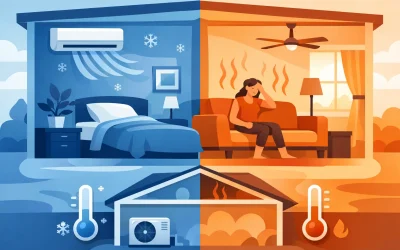
That 3 pm complaint about one meeting room freezing while the open-plan area feels stuffy usually is not a people problem. It is a system problem. The best HVAC upgrades for offices are the ones that fix comfort, energy use and reliability at the same time, without creating unnecessary disruption or overspending on gear that does not suit the building.
For office owners, facility managers and operators, the right upgrade depends on what is actually holding the system back. In some sites, the issue is ageing equipment chewing through power. In others, it is poor controls, dirty ductwork, weak ventilation or a layout that changed years ago while the air conditioning stayed the same. A good upgrade plan starts with performance, not guesswork.
What makes the best HVAC upgrades for offices?
The best office HVAC upgrades do three jobs well. They improve comfort across different zones, reduce running costs, and lower the risk of breakdowns during busy periods. If an upgrade only looks good on paper but does not solve daily complaints or maintenance issues, it is not much of an upgrade.
It also needs to suit the building. A small suburban office with a few split systems has different needs to a larger commercial tenancy with VRF, ducted systems or central plant. Budget matters too. Some upgrades deliver fast gains with minimal capital spend, while others are bigger projects that make sense when equipment is near end of life.
Upgrade your controls before replacing everything
One of the most overlooked HVAC upgrades for offices is better control. Many office systems are still running on basic timers, manual settings or old thermostats that do not reflect how the space is actually used.
Upgrading to smart controls or a modern building management interface can make a noticeable difference quickly. You can schedule zones properly, stop systems running after hours, fine-tune setpoints and get visibility over faults before they become expensive callouts. In offices with changing occupancy, this is often where the biggest waste sits.
The trade-off is simple. Controls will not fix failing compressors, undersized units or major duct leakage. But if the main equipment is still serviceable, better controls can extend its useful life and improve day-to-day performance without the cost of a full replacement.
Replace ageing units with high-efficiency systems
If your current system is old, noisy, unreliable or expensive to run, replacement may be the smarter move. Modern high-efficiency systems are far better at managing load changes, maintaining stable temperatures and reducing energy use, especially in Queensland conditions where cooling demand can stay high for long stretches.
For some offices, that means replacing older split systems with newer inverter units. For larger tenancies, it may mean upgrading to a VRF or VRV solution that can serve multiple zones more efficiently. If the office has a central plant setup, targeted upgrades to chillers, pumps or air handling components can also improve performance without replacing the whole system.
This is where a proper assessment matters. Full replacement is a bigger spend upfront, but repeated repairs on ageing equipment can quietly cost more over time. If breakdowns are affecting staff comfort, tenant satisfaction or business operations, patching the problem is usually false economy.
Zoning is one of the best HVAC upgrades for offices with mixed-use areas
Most offices do not operate as one uniform space. You might have meeting rooms that fill up fast, quiet offices with low occupancy, reception areas with constant door traffic and server or comms rooms that run hotter than everything around them. Treating all of those areas the same is one of the main reasons offices end up too hot, too cold or wasting power.
Adding or improving zoning allows the system to respond to how the space is really used. It gives more control over temperatures in separate areas and helps avoid over-conditioning empty rooms. That usually means better comfort and lower energy consumption at the same time.
Zoning does need to be designed properly. Poorly balanced zones can create airflow problems or put strain on equipment. But in offices that have been reconfigured over the years, zoning upgrades often fix long-standing comfort issues that staff have simply learned to live with.
Improve ventilation and indoor air quality
Comfort is not just about temperature. Offices with poor ventilation often feel stale, humid or stuffy even when the thermostat says the room is fine. That can affect concentration, perceived comfort and general workplace satisfaction.
Upgrading outside air control, improving filtration or adjusting ventilation rates can make a big difference. In some offices, the issue is clogged filters and neglected maintenance. In others, the original system was never set up for current occupancy levels, especially after fitout changes.
If your office includes high-traffic areas, shared meeting rooms or spaces where hygiene matters, indoor air quality upgrades are worth serious attention. Cleaner airflow and proper ventilation support a healthier indoor environment, but there is a balance to strike. Bringing in more outside air can increase system load if it is not managed correctly, particularly during hot and humid Brisbane weather.
Fix ductwork and air distribution problems
A lot of office HVAC problems start well before the unit itself. Leaking ductwork, poor diffuser placement, bad balancing and blocked returns can all undermine system performance. You can install efficient equipment, but if the air is not getting where it needs to go, results will still be poor.
Upgrading ductwork or rebalancing air distribution is often one of the most practical improvements in older offices or recently refurbished tenancies. It helps eliminate hot and cold spots, supports more consistent airflow and reduces the tendency for some areas to be overworked while others are left uncomfortable.
This kind of upgrade is especially relevant when office layouts have changed. New partitions, changed desk arrangements and altered room use can all affect airflow. If the HVAC was designed for a different floor plan, the system may be fighting the building every day.
Add monitoring and fault reporting
One of the best HVAC upgrades for offices focused on reliability is adding proper monitoring. This is less about comfort in the moment and more about avoiding downtime, surprise failures and maintenance guesswork.
With the right monitoring in place, you can track temperatures, runtime, alarms and performance trends across the system. That helps identify issues early, such as short cycling, poor airflow, sensor faults or units working harder than they should. For facility managers, this makes maintenance more proactive and budgeting more predictable.
Monitoring will not remove the need for servicing, and it is not necessary for every small office. But for larger commercial sites or businesses where HVAC downtime affects operations, it adds a level of control that basic setups simply do not provide.
Do not overlook hygiene cleaning and coil restoration
Not every upgrade needs to involve new equipment. Sometimes the system is underperforming because it is dirty. Coils, filters, drain trays and internal components can accumulate dust, grime and biological growth over time, reducing efficiency and affecting air quality.
Professional hygiene cleaning and coil restoration can improve airflow, heat transfer and system cleanliness, especially in offices that have missed regular servicing or operate in high-use conditions. This is one of the more cost-effective ways to lift performance if the equipment itself is still in decent shape.
It is not a substitute for replacement when a unit is genuinely at the end of its life. But as part of a broader upgrade strategy, it can buy time, improve conditions and reduce unnecessary strain on the system.
How to choose the right office HVAC upgrade
The right path depends on the age of the system, the type of office, the pattern of complaints and the real operating costs. If energy bills are climbing but the equipment is still reliable, controls and zoning may deliver the best return. If breakdowns are frequent and parts are becoming harder to source, replacement is usually the better long-term call.
It also pays to think beyond the plant itself. A proper asset audit can show whether the issue sits with capacity, controls, ventilation, cleanliness or distribution. That matters because the most expensive upgrade is often the wrong one.
For offices across Brisbane and surrounding areas, heat, humidity and long cooling seasons put extra pressure on commercial HVAC systems. That makes reliability and maintenance planning just as important as efficiency ratings. A well-chosen upgrade should reduce callouts, support compliance and keep staff comfortable without constant manual adjustment.
If you are weighing up the next step, start by looking at what the system is failing to do now, not what a brochure says a new unit might do. The best result usually comes from matching the upgrade to the building, the workload and the people using the space every day.