A split system that smells musty when it starts, blows weakly or leaves dust around the vents is more than a comfort issue. Can dirty air conditioners make you sick? They can contribute to poor indoor air quality and aggravate symptoms in some people, particularly those with asthma, allergies or respiratory conditions. They do not usually cause illness on their own, but a neglected system can circulate dust, mould spores and other irritants through the spaces where people live and work.
In Brisbane’s humid conditions, air conditioners work hard for much of the year. That combination of moisture, warmth and airborne dust creates the right conditions for grime and microbial growth to build up inside filters, coils, drain trays and ductwork. Regular professional servicing keeps the system cleaner, more efficient and less likely to become a source of unpleasant air.
How dirty air conditioners affect indoor air quality
An air conditioner continuously draws air from a room, passes it through filters and over cooled coils, then sends it back into the space. When the filters are loaded with dust, airflow drops and particles can bypass or be disturbed inside the unit. When moisture does not drain properly, mould and bacteria may grow on internal surfaces.
Every system is different. A lightly dusty filter is unlikely to make a healthy person seriously unwell overnight. A poorly maintained unit with visible mould, blocked drainage or a strong damp odour is a different matter, especially in a tightly closed bedroom, classroom, office or aged-care setting.
The issue is often cumulative. Staff may notice headaches, dry eyes or a stuffy feeling by the afternoon. At home, a child may cough more at night when the bedroom unit is running. These symptoms have many possible causes, so it is sensible not to assume the air conditioner is solely responsible. But if symptoms improve away from the building or stop when the system is off, the unit warrants inspection.
Can dirty air conditioners make you sick or trigger symptoms?
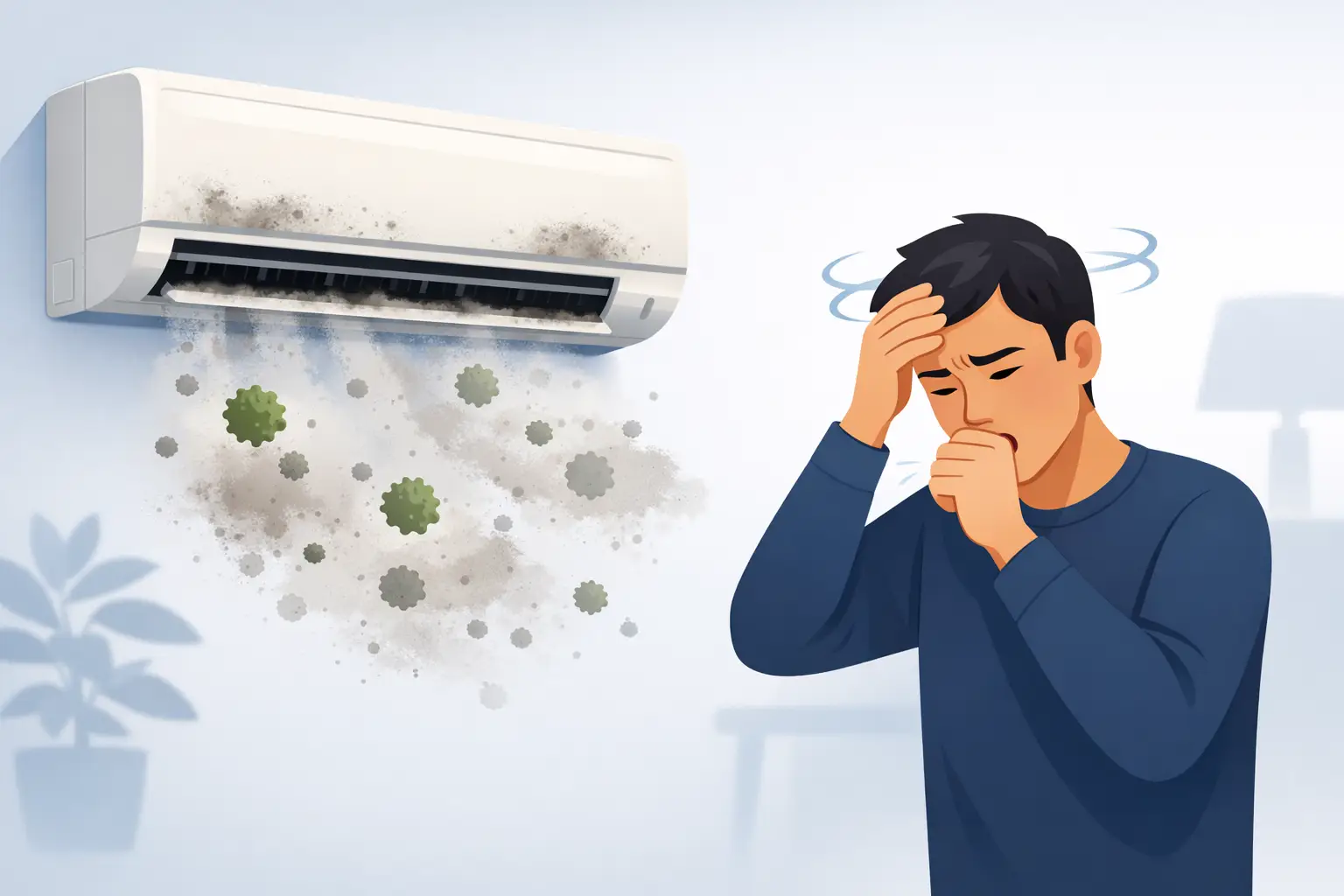
Dirty air conditioning can expose occupants to allergens and irritants that may trigger or worsen respiratory symptoms. Dust, pollen, pet dander, mould spores and fine debris can collect within a system. If the system is contaminated or its filtration is ineffective, those particles may recirculate.
People may experience a blocked or runny nose, sneezing, irritated eyes, sore throat, coughing, wheezing, headaches or a flare-up of asthma and allergies. People with reduced immunity, chronic respiratory conditions, or sensitivity to mould may be affected more easily than others.
There is an important distinction between discomfort and infection. Most dirty residential systems are not a direct cause of flu, colds or gastro. Those illnesses spread through viruses and other causes, not simply because a filter needs cleaning. However, stale, dusty or mould-affected air can make a person feel unwell and may aggravate existing health issues. A clean, correctly operating system is one practical part of maintaining healthier indoor spaces.
For commercial properties, the stakes are higher. A neglected HVAC system can affect staff comfort, customer experience and, in some environments, hygiene obligations. Facilities such as hospitality venues, schools, medical settings and aged-care sites need maintenance plans that account for usage levels, occupants and the type of equipment in place.
Warning signs your system needs attention
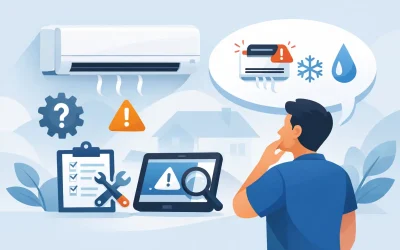
The first sign is often smell. A musty, damp or dirty-sock odour when cooling begins can indicate accumulated moisture and contamination around the indoor coil, fan barrel or drain area. It should not be masked with air freshener or ignored until summer is in full swing.
Other signs to act on include:
- Dust blowing from vents or settling unusually quickly near the indoor unit.
- Weak airflow, uneven temperatures or a system that runs longer than it used to.
- Water dripping indoors, staining around the unit or a drain that regularly blocks.
- Visible mould, grime or dark residue on vents, filters or inside accessible areas.
- Repeated coughing, sneezing or eye irritation that seems worse in an air-conditioned room.
A dirty filter is sometimes the whole problem, but not always. Cleaning the filter may restore airflow while leaving built-up grime on coils, fan components or drain trays. Ducted and commercial systems can also have issues beyond what is visible at the grille. That is why a proper service looks at the condition and operation of the system, not just the easiest part to reach.
Why Brisbane humidity makes maintenance more important
Air conditioning removes moisture from indoor air as part of the cooling process. That moisture has to drain away cleanly and reliably. In South East Queensland, high humidity can place extra demand on drain systems and create more opportunity for mould growth where water, dust and poor airflow come together.
Units that are switched off for long periods can also develop odours when restarted, particularly if moisture has remained in the system. Likewise, systems run constantly with clogged filters can freeze coils, reduce airflow and struggle to manage humidity properly. The result can be a room that feels cold but clammy, which is not a good outcome for comfort or air quality.
For homeowners, a seasonal service before the heavy cooling period is a sensible baseline. For businesses, the right maintenance frequency depends on operating hours, occupancy, indoor contaminants and system type. A busy restaurant, childcare facility or office with high foot traffic generally needs more attention than a lightly used home system.
What a proper air conditioner clean should cover
A basic filter wash is valuable and should be part of routine owner maintenance. Many split-system filters can be carefully removed, vacuumed or washed according to the manufacturer instructions, fully dried, then refitted. This is not a substitute for professional hygiene cleaning where there is heavy build-up, mould, drainage trouble or persistent odour.
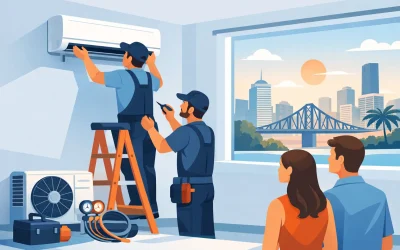
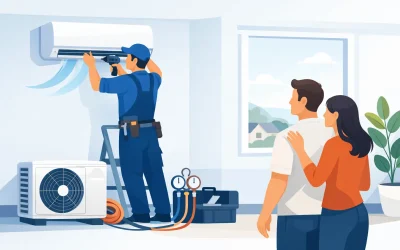
A thorough service may include inspecting and cleaning filters, indoor coils, fan components, drain trays and drainage lines as required. A technician should also check airflow, electrical connections, refrigerant performance where relevant, outdoor-unit condition and overall operation. The aim is not only cleaner air – it is reliable cooling, reduced energy waste and early detection of faults that can become expensive breakdowns.
Take care with do-it-yourself chemical sprays. Products used incorrectly can damage components, leave residue in the system or fail to treat the actual source of contamination. Never dismantle electrical components or use high-pressure water on an indoor unit. If you can see mould inside the unit, smell a persistent damp odour or have recurring water leaks, book a qualified technician rather than trying to clean deep inside the system yourself.
Practical steps for healthier air at home and work
Start with the basics: clean accessible filters regularly, keep outdoor units clear of leaves and debris, and do not block return-air grilles or vents with furniture. Use the system’s drying or fan function where suitable after long cooling cycles, as this can help reduce residual moisture. Keep indoor areas clean as well, because an air conditioner can only filter the air it draws in.
If a system is overdue for service, arrange an inspection before the next hot spell. For property and facility managers, keep clear maintenance records and respond quickly to reports of odours, leaks or comfort complaints. These reports often point to developing faults before a unit fails completely.
Big Dog Mechanical provides hygiene cleaning, servicing and preventative maintenance for Brisbane homes and commercial sites. The right scope of work depends on the equipment and its condition, but prompt attention to dirty or poorly draining units protects comfort, system performance and the people using the space.
If someone has persistent or severe respiratory symptoms, seek advice from a health professional as well as addressing the air conditioning. A clean system cannot solve every indoor air problem, but it is one of the most practical places to start when the air in a room does not feel right.