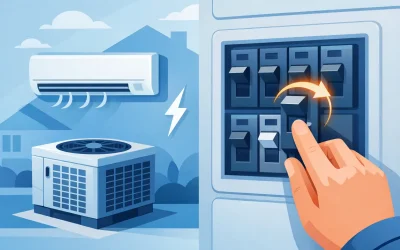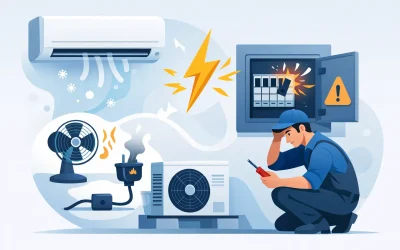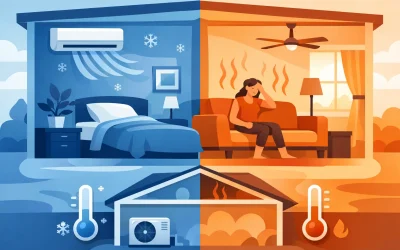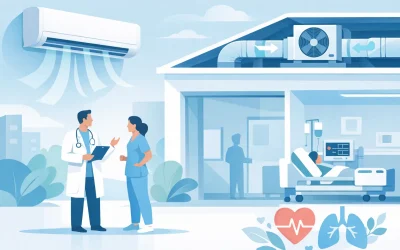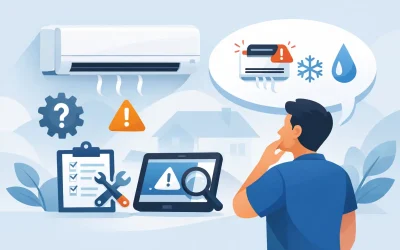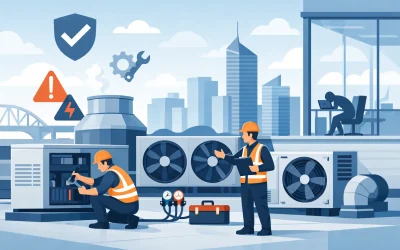
An air conditioner rarely stops without giving some warning first. It may run longer to cool the same space, make an unfamiliar noise, trip a breaker, develop a drain issue or show a gradual rise in energy use. The problem is that those early warning signs are easy to miss until comfort, operations or equipment reliability is already affected. So, what is a predictive maintenance program? It is a planned approach to monitoring equipment condition and acting on developing faults before they become a breakdown.
For Brisbane homes and commercial sites, predictive maintenance can help turn HVAC servicing from a reactive expense into a more controlled operating plan. It is particularly useful where air conditioning is critical to daily business, resident comfort, stock protection or staff productivity.
What is a predictive maintenance program for HVAC?
A predictive maintenance program uses condition data, technician inspections and operating trends to estimate when an air conditioning component may need attention. Rather than servicing equipment only after it fails, or replacing parts strictly because a calendar says so, the aim is to respond when the system shows evidence that performance is declining.
In an HVAC setting, this may involve reviewing temperatures, refrigerant pressures, electrical readings, airflow, vibration, control alarms, run times and energy consumption. A technician compares these readings against expected operating ranges and previous results. If a trend indicates a problem, the issue can be investigated and repaired while the equipment is still operating.
For example, a condenser fan motor may begin drawing more current than usual, or a coil may show signs of restricted airflow. Neither issue necessarily means the system will fail that day. But left alone through a Queensland summer, either can place extra strain on the unit and lead to a more expensive fault.
Predictive maintenance is not one single task or a piece of software that solves everything automatically. It is a maintenance strategy supported by good records, regular inspections and qualified HVAC technicians who know how to interpret what the system is telling them.
Predictive maintenance versus preventative maintenance
Preventative maintenance and predictive maintenance work well together, but they are not the same thing.
Preventative maintenance is scheduled at set intervals. It covers essential tasks such as cleaning filters, checking drains, inspecting electrical connections, cleaning coils where required and confirming safe operation. These services reduce common causes of poor performance and help protect the equipment over time.
Predictive maintenance goes further by using actual equipment condition to guide the work. Instead of waiting until the next scheduled service, a developing issue can be addressed when readings or inspections show a change. Likewise, a component that is performing normally may not need premature replacement simply because it has reached an arbitrary age.
The right balance depends on the system and site. A residential split system may mainly benefit from thorough routine servicing and observation of obvious warning signs. A commercial building with VRV/VRF systems, multiple packaged units or central plant generally benefits from more structured condition monitoring, asset records and trend reporting.
A predictive approach does not remove the need for routine cleaning and safety checks. Dirty filters, blocked condensate drains and neglected coils still need hands-on maintenance. It provides an extra layer of visibility so decisions are based on system condition, not guesswork alone.
How a predictive maintenance program works
A useful program begins with knowing exactly what equipment is on site. That includes the unit type, location, age, capacity, service history, controls and any known faults. For commercial clients, an asset audit creates a clear starting point, particularly where systems have been added, upgraded or inherited over several years.
The next step is to establish baseline performance. During servicing, technicians record relevant readings and observations. Over time, those records make it easier to identify changes that may otherwise go unnoticed. A gradual loss of cooling capacity, repeated high-pressure alarms or a compressor drawing unusual current can point to a fault well before total failure.
Monitoring can be manual, automated or a combination of both. Smaller systems may rely on scheduled technician visits and owner feedback. Larger sites may use building management system alarms, remote monitoring or logged operating data. The technology is useful, but it still needs the right response. An alarm without investigation is just an alarm.
When a potential problem is identified, the maintenance provider should explain the finding in plain language, outline the likely consequence of delaying the work and recommend a practical next step. Some faults require immediate repair. Others can be planned around trading hours, tenant access, school holidays or quieter operating periods.
What technicians look for
The exact checks vary by unit type, but predictive HVAC maintenance commonly focuses on changes that suggest wear, restriction, leakage or control issues. These may include:
- unusual vibration, noise or fan and motor performance;
- temperature differences, airflow levels and cooling or heating output;
- compressor and motor electrical readings;
- refrigerant pressures and signs of leakage;
- coil condition, filter loading and condensate drainage; and
- recurring control faults, alarms or irregular run times.
These checks are more valuable when they are compared over time. A single reading can tell a technician whether something is outside a normal range. A history of readings can reveal whether the issue is stable, improving or steadily getting worse.
The business case: less disruption, better control
The biggest benefit of a predictive maintenance program is not that equipment never fails. Every mechanical system has limits, and some failures are sudden. The benefit is that many common faults can be found early enough to avoid an urgent callout, major component damage or an inconvenient shutdown.
For a café, restaurant or retail business, that can mean keeping customers comfortable during a heatwave. For aged care, education and commercial property, it can help protect occupants and reduce disruption to normal operations. For homeowners, early diagnosis may prevent a small drainage or electrical issue from becoming a weekend breakdown when the house is already hot.
Energy efficiency is another important outcome. Air conditioning systems work harder when filters are blocked, coils are dirty, airflow is poor or components are struggling. That additional load can increase running costs and accelerate wear. Maintenance cannot make an undersized or outdated system perform beyond its design, but it can identify when a repair, adjustment or upgrade is the sensible option.
There is also a compliance benefit for commercial sites. Documented servicing, identified defects and clear maintenance records support better asset management. They give facility managers a clearer view of priorities, planned expenditure and system risk rather than leaving decisions until a failure forces the issue.
Is predictive maintenance worth it for every system?
It depends on how critical the equipment is, how complex it is and what a failure would cost. A simple wall-mounted split system at home does not always need continuous monitoring. Regular professional servicing, prompt attention to performance changes and good filter care are often the most practical approach.
For larger homes with ducted systems, multi-head installations or equipment that runs heavily through summer, recording performance trends can still be worthwhile. An unexpected failure can be costly and uncomfortable, especially when parts or specialist access are required.
Commercial systems usually have a stronger case for a formal program. The more units on site, the longer the operating hours and the greater the impact of a breakdown, the more valuable early fault detection becomes. Hospitality venues, schools, offices, aged care facilities and multi-tenancy properties all benefit from knowing which assets need attention before they become urgent.
Predictive maintenance also needs to be proportionate. There is little value in collecting pages of data if no one reviews it or turns it into clear action. The best program is one that matches the site, keeps records useful and gives owners or managers timely recommendations.
Signs your HVAC system needs closer monitoring
If your system has repeated repairs, uneven temperatures, rising electricity costs, persistent odours, noisy operation or regular fault codes, it may be time to move beyond basic reactive servicing. The same applies when equipment is ageing, service history is unclear or the site has no reliable asset list.
A qualified HVAC technician can assess the system’s condition, identify immediate risks and recommend an appropriate maintenance schedule. For complex commercial equipment, that may include an asset audit and a tailored plan that tracks each unit’s performance and repair history.
The most useful maintenance conversation starts before the next breakdown. If your air conditioning is becoming less reliable, arrange an assessment while there is still time to plan the work around your home, tenants or business operations.