You switch on the ducted system expecting cool air and instead get hit with a musty, sour or burnt smell through the vents. If you’re asking why is my ducted aircon smelling, the short answer is that something inside the system is dirty, damp, overheating or draining poorly. The good news is that the smell itself often points you towards the problem.
Some odours are a maintenance issue. Others can signal a fault that needs attention quickly, especially in a busy workplace, rental property or family home where the system runs hard through a Queensland summer. Either way, a smell coming through ducted air conditioning is not something to ignore and hope goes away on its own.
Why is my ducted aircon smelling when it turns on?
A ducted system moves a lot of air through return grilles, filters, coils, drain lines and ductwork. If any one of those parts is holding dust, moisture or contamination, the smell can spread through multiple rooms fast.
The most common cause is built-up dirt mixed with condensation. Dust settles inside the system, moisture forms as the unit cools, and that combination creates the ideal environment for mould and bacteria. When the fan starts, the smell gets pushed straight into the occupied space.
In other cases, the issue has less to do with hygiene and more to do with wear and tear. Electrical parts can overheat, insulation can deteriorate, and stagnant water can sit in blocked drains. What the smell is like matters.
What different ducted aircon smells usually mean
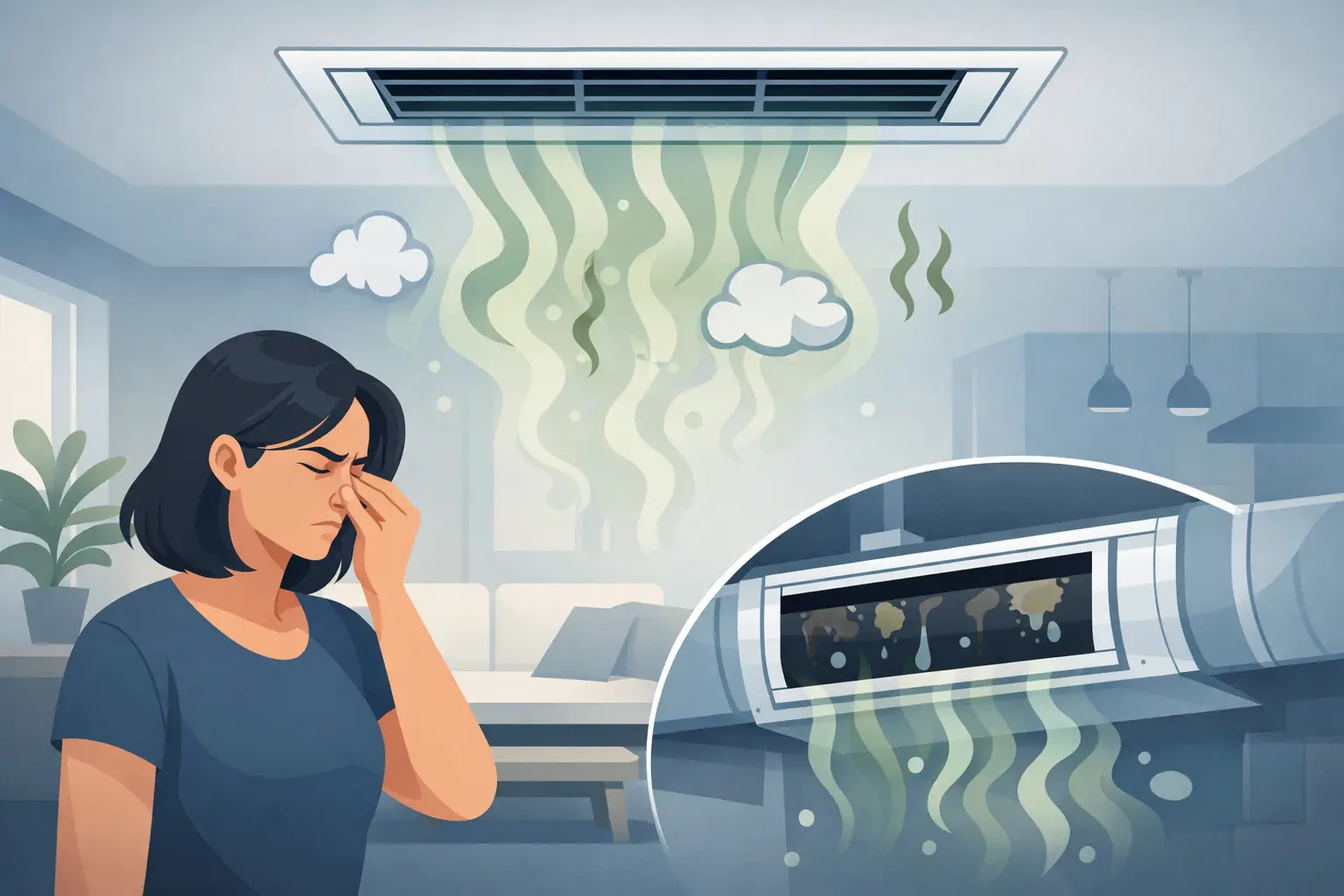
A musty or damp smell usually points to mould, mildew or bacterial growth. This often happens on the indoor coil, in the drain tray, around filters or inside sections of ducting where condensation has been hanging around too long. In humid conditions, that risk goes up.
A dirty sock smell is a common complaint in air conditioning. It is usually caused by bacteria on the indoor coil. The system may still be cooling properly, but the air quality takes a hit and the smell tends to get worse when the unit first starts.
A rotten or stale smell can mean stagnant water in the drain system, organic build-up, or in some cases something trapped in the ductwork or ceiling space. In homes, that can occasionally be a pest issue. In commercial sites, it can be a hygiene problem tied to poor maintenance intervals.
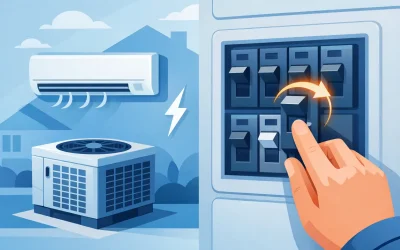
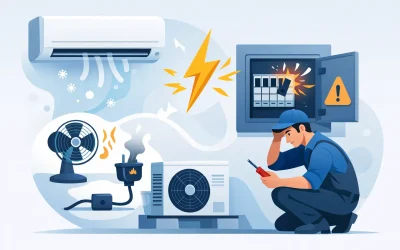
A burning smell is more urgent. It may be dust burning off after a long period of non-use, but it can also mean an electrical fault, fan motor issue or overheating component. If the smell is strong or persistent, switch the system off and get it checked.
A chemical smell is less common but worth taking seriously. It can come from cleaning products, insulation materials, or refrigerant-related issues, although refrigerant itself does not always have a strong obvious smell. If the odour is sharp, unusual or starts suddenly, it needs proper diagnosis rather than guesswork.
The most common reasons a ducted aircon smells
Filters are often the first place to look. When return air filters are clogged with dust, pet hair and general debris, airflow drops and odours build up. Dirty filters do not just affect smell. They also make the system work harder, which can push up running costs and reduce performance.
The indoor coil is another major culprit. Over time, the coil can collect grime that stays damp during operation. That creates the perfect surface for microbial growth. A quick wipe of visible parts from outside the unit will not solve this. The coil usually needs a proper clean.
Blocked condensate drains are also common in ducted systems. If water cannot drain away properly, it sits in the tray or backs up where it should not. Stagnant water leads to odour, and if left too long, can also lead to water damage.
Ductwork can hold smells as well. If there is dust build-up, moisture ingress, damaged insulation or contamination inside the ducts, the system will keep circulating that smell every time it runs. This is one of those areas where the answer depends on the age of the system and the condition of the installation.
Then there is the simple issue of overdue servicing. Many systems keep running, so owners assume everything is fine. But a unit can cool and still be unhygienic, inefficient or on the way to a breakdown.
When the smell is probably harmless and when it is not
If you have not used the system in months and notice a faint dusty smell for the first few minutes, that can be normal. Dust settles during downtime and burns off or clears once the unit starts moving air again. If it disappears quickly and does not come back, it is usually not a major concern.
A smell that keeps returning is different. Musty odours, sour smells and anything burnt or chemical-like should not be brushed off. Persistent smells usually mean the source is still active inside the system.
For commercial properties, there is also the occupant comfort and compliance side of it. A smelly air conditioning system in an office, classroom, clinic or hospitality venue is not just unpleasant. It reflects poorly on maintenance standards and can affect how people experience the space.
Can I fix a smelly ducted aircon myself?
There are a few safe first steps. You can check and clean accessible return air filters if your system allows for it. You can also look for obvious signs of water staining around ceiling grilles or indoor components, and pay attention to when the smell occurs – only at start-up, all the time, or only in cooling mode.
Beyond that, most ducted aircon odour issues need professional attention. The parts that usually cause the smell – indoor coils, drain systems, fan assemblies and internal duct sections – are not areas for trial-and-error cleaning. A surface clean may improve things briefly, but it will not deal with deep contamination or mechanical faults.
It is also easy to miss the real cause. What smells like mould could be a drainage issue. What smells electrical could be a failing motor. What seems like dirty filters could actually be contaminated duct insulation.
How a technician diagnoses the problem properly
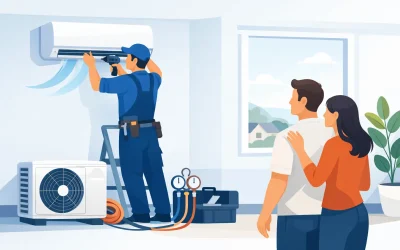
A proper inspection starts by narrowing down the smell type and when it happens. From there, the technician checks filters, the indoor unit, coil condition, drain tray and condensate line, fan components and accessible duct sections. If needed, they will also assess whether moisture is entering the system from outside, which can happen with damaged ducting or insulation failures.
The fix depends on the cause. It might be a hygiene clean, a coil clean, drain clearing, component replacement or a broader ductwork repair. In some cases, older systems with recurring odour problems are better off being upgraded rather than repeatedly patched.
That is especially true for commercial sites where downtime, complaints and energy waste add up fast. For Brisbane homes, the same logic applies if the unit is struggling through summer and the smell keeps coming back after basic servicing.
How to stop ducted aircon smells coming back
The best prevention is regular servicing before the system gets to the point of obvious odour. That includes cleaning, checking drainage, inspecting internal components and making sure airflow is where it should be. Waiting until the smell is bad enough to notice in every room usually means the build-up has been there for a while.
Filter cleaning matters too, but it is only one part of the picture. A system can have clean filters and still smell because the problem is deeper inside. That is why a proper preventative maintenance schedule gives better results than occasional DIY attention.
If you manage a commercial property, preventive maintenance also gives you a better handle on asset condition, hygiene standards and repair planning. If you are a homeowner, it means fewer surprises on the first hot day when you really need the system.
Big Dog Mechanical sees this regularly across Brisbane – systems that looked fine from the outside but had drainage, hygiene or internal wear issues that only showed up once the smell started moving through the ducts.
Why prompt action saves money
Odours are often an early warning sign. If you deal with them early, the fix may be straightforward. Leave them too long and you can end up with blocked drains, damaged ceilings, failed motors, poor indoor air quality or reduced system life.
There is also an efficiency angle. A dirty or partially blocked system has to work harder to deliver the same result. That means more strain, more power use and often more wear on key parts. So even if the smell seems like a comfort issue, it can quickly become a cost issue.
If your ducted aircon smells every time it runs, trust your nose. Air conditioning should make the space feel better, not worse. Getting the source checked properly now is usually faster, cleaner and cheaper than waiting for the problem to spread through the whole system.