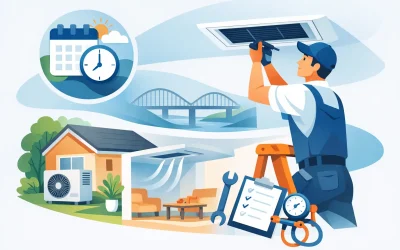
Air conditioners rarely fail out of nowhere. More often, they wear down through dirty filters, blocked coils, missed servicing and months of being pushed harder than they should be. If you want to know how to extend aircon lifespan, the answer is not complicated – but it does require consistency. A system that gets the right care will usually run more efficiently, break down less often and hold its performance for far longer.
That matters whether you are cooling a family home, a retail tenancy or a larger commercial site. Replacement costs are significant, and unplanned downtime in a Brisbane summer is the sort of problem most people only want once.
How to extend aircon lifespan with the basics done right
The biggest gains usually come from simple maintenance habits. Not glamorous, but effective. Air conditioning systems are mechanical assets. If airflow is restricted, components run dirty or refrigerant issues are ignored, the unit has to work harder for the same result. That extra strain shortens the life of motors, compressors, fans and control components.
For most homes, the first job is keeping filters clean. A clogged filter reduces airflow, which can make the system less efficient and place added pressure on internal parts. In a residential split system, that can mean poorer cooling, higher power bills and more wear over time. In a commercial setting, the same issue can affect comfort across multiple rooms or occupied areas, and complaints tend to start before anyone notices the filter is the real problem.
Outdoor units also need space to breathe. Leaves, dirt, grass and general debris around the condenser reduce heat transfer and make the system labour. If the area around the unit is overgrown or boxed in, the aircon cannot reject heat properly. That leads to longer run times and greater stress on the compressor.
Thermostat settings matter as well. Running the system at an extreme temperature for long periods does not cool a space faster in any meaningful way – it just keeps the unit working flat out. Sensible set points, especially during long hot spells, help reduce unnecessary load.
Servicing is where lifespan is won or lost
If there is one factor that separates an aircon that lasts from one that becomes a money pit, it is regular professional servicing. General wear is normal. What causes the damage is when small faults are left to develop.
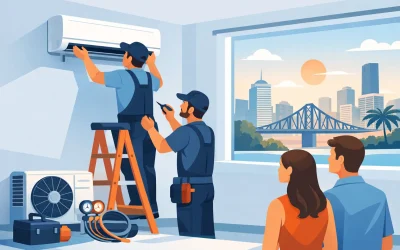
A proper service does more than clean a visible filter. It should include checking electrical connections, testing operating pressures, inspecting coils, confirming drainage is clear, assessing fan operation and looking for signs of refrigerant leaks or failing components. Those checks catch issues early, before they cause bigger failures.
Why preventive maintenance beats reactive repairs
Waiting until the unit stops working is almost always the expensive option. By the time an air conditioner loses cooling altogether, the underlying problem may have already affected other components. A failing capacitor can stress a motor. Poor airflow can contribute to coil icing and compressor strain. Blocked drains can lead to water damage or hygiene issues.
Preventive maintenance is about controlling that risk. For homeowners, it means fewer summer breakdowns and more reliable comfort. For business operators and facility managers, it means less disruption, better energy performance and fewer urgent callouts.
In Queensland conditions, where systems often work hard for long stretches, maintenance intervals should match actual usage rather than a vague once-in-a-while approach. A lightly used spare room unit has different demands from a ducted system cooling an occupied home every day, or a commercial system running across trading hours.
Hygiene cleaning is not just about appearance
A unit can look fine from the outside and still be dirty where it counts. Dust, moisture and biological build-up inside the system can affect airflow, efficiency and indoor air quality. Over time, that contamination can also contribute to corrosion or drainage issues.
A deeper clean helps the system operate the way it was meant to. That is especially relevant in homes with pets, high dust loads or allergy concerns, and in commercial environments where hygiene and occupant comfort are under more scrutiny.
Usage habits that help your system last longer
A lot of wear comes from the way a system is used day to day. Some habits are worth fixing because they quietly add hours of unnecessary runtime.
Keep doors and windows closed when the aircon is on. If cooled air is constantly escaping, the system keeps chasing a target temperature it cannot hold. The same applies to poor zoning practices in larger homes or commercial spaces. Cooling unused areas for no reason increases load and operating cost.
Use ceiling fans where available. They do not replace air conditioning, but they can support it by improving air movement and allowing a slightly higher thermostat setting without sacrificing comfort. That means the system does less work.
Pay attention to shading and heat gain. West-facing glass, unshaded rooms and poorly insulated spaces all make an air conditioner run longer. You are not just managing the unit itself – you are managing the building conditions around it. Even simple changes such as closing blinds during the hottest part of the day can help reduce load.
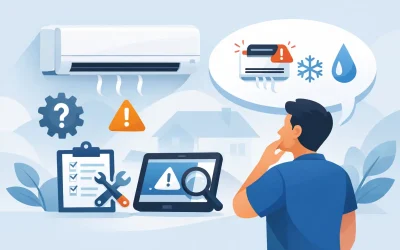
If your system starts sounding different, smelling musty or taking longer to cool, do not ignore it. Those early signs often show up before a full breakdown. Acting early usually means a smaller repair and less stress on the rest of the unit.
How to extend aircon lifespan in homes versus commercial sites
The principles are the same, but the stakes are different.
In a home, lifespan is usually tied to comfort, running cost and avoiding premature replacement. Most owners want the unit to do its job quietly and efficiently for as many years as possible. Routine servicing, sensible usage and quick attention to faults usually get you there.
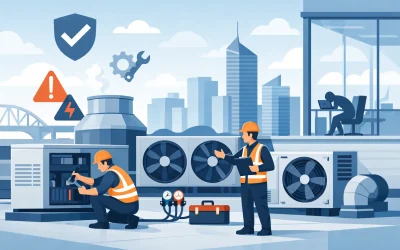
In commercial properties, there is more going on. Occupancy levels, operating hours, internal heat loads and compliance requirements all affect how hard HVAC equipment works. A system in a hospitality venue or aged care setting may face much heavier demand than a standard residential split system. That means maintenance should be planned, documented and aligned with the actual criticality of the asset.
For facility managers, asset visibility matters. Knowing the age, condition and service history of each unit makes it easier to budget for repairs, prioritise upgrades and avoid avoidable downtime. A neglected system can cost far more in disruption and inefficiency than in repair spend alone.
When repairs stop making sense
Part of extending aircon lifespan is knowing when not to force it. Not every system is worth pouring money into. If a unit is ageing, inefficient and needing repeated repairs, keeping it alive at all costs may be the wrong call.
That does not mean replacing every older system. Some units respond well to good maintenance and targeted repairs. Others have reached the point where component failures become more frequent and performance no longer justifies the spend. The right decision depends on age, condition, usage demands, refrigerant type and the cost of keeping the system operational.
This is where an honest assessment matters. A good technician should tell you whether the goal is to preserve the asset, restore reliable operation or plan for replacement before failure forces your hand.
The value of getting expert eyes on the system
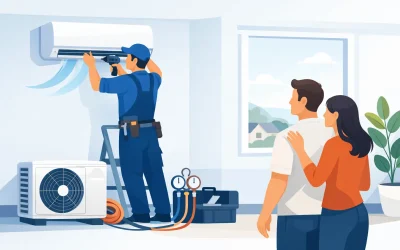
There is a limit to what an owner or site manager can reasonably spot. Cleaning accessible filters and keeping outdoor units clear are worthwhile, but diagnosis, testing and deeper servicing need qualified hands. Air conditioning systems involve refrigerant circuits, electrical components, drainage, controls and mechanical parts that all affect one another.
That is why ongoing support from a specialist makes a difference. For both residential and commercial customers, the best outcomes usually come from a maintenance approach that is tailored to the system type, site conditions and usage pattern. A one-size-fits-all checklist will miss things.
For Brisbane conditions, where heat, humidity and heavy seasonal demand can expose weak points fast, regular servicing is less about ticking a box and more about protecting the life of the asset. That is where experienced operators such as Big Dog Mechanical add value – not by overcomplicating the process, but by keeping systems clean, efficient and reliable before small issues become major ones.
If you want your aircon to last, treat it like the working system it is. Keep it clean, service it properly, use it sensibly and act early when something changes. Most units give plenty of warning before they give up completely.