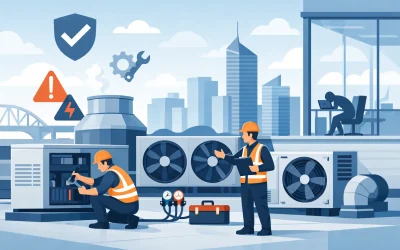
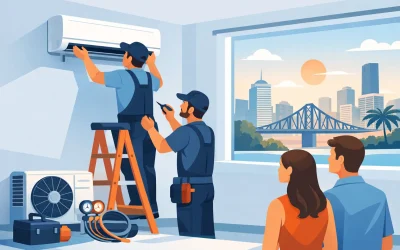
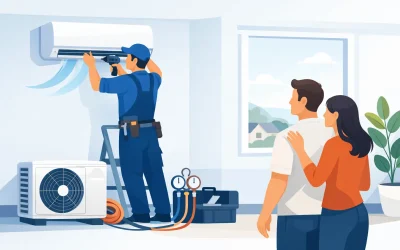
A failed air conditioner at 6 pm on a packed Friday is not just a maintenance issue. It affects guest comfort, staff performance, food service, online reviews and takings. Effective hospitality HVAC downtime prevention gives venue owners and facility managers a practical way to avoid that pressure, particularly through Brisbane’s hot, humid summers.
For pubs, restaurants, hotels, function venues and clubs, HVAC reliability is part of the customer experience. Guests may forgive a short wait for a table. They are far less forgiving of a dining room that feels hot, stuffy or smells damp. The right approach is not simply calling for a repair when a system stops. It is managing the equipment before a fault becomes an urgent callout.
Why HVAC downtime costs hospitality venues more
Air conditioning systems in hospitality settings work hard. Doors open continuously, kitchens add heat, occupancy changes quickly and trading hours often extend well beyond standard business hours. A system sized for a quiet weekday lunch can be under real strain during a full Saturday service or a large function.
When cooling fails, a venue may need to move guests, close an area, reduce capacity or send staff home. In severe cases, food safety, liquor licensing conditions, hotel room comfort and building compliance can all be affected. The direct repair invoice is often the smaller cost.
There is also a reputational cost. A guest who leaves uncomfortable is unlikely to distinguish between a mechanical fault and poor management. They will remember that the venue was too hot. For accommodation operators, a failed unit can lead to room moves, refunds and front desk staff managing complaints late into the evening.
Hospitality HVAC downtime prevention starts with asset visibility
You cannot properly maintain equipment you have not identified. Many venues have a mix of split systems, cassette units, ducted systems, exhaust equipment, outside air systems and older plant added during previous fit-outs. Without a clear asset register, maintenance becomes reactive and important units can be missed.
An asset audit records what equipment is on site, where it is located, its age, capacity, condition and service history. It also identifies systems that support critical areas such as commercial kitchens, cool rooms, gaming rooms, function spaces, guest rooms and server or communications rooms.
This information helps prioritise spend. A ten-year-old split system in a back office may be manageable with routine servicing. An ageing VRV or central plant component serving a fully booked hotel wing deserves closer attention, spare-parts planning and a clear replacement strategy.
Asset visibility also helps managers make better decisions when budgets are tight. Rather than replacing equipment based on age alone, you can assess repair frequency, energy use, refrigerant condition, parts availability and the operational impact if that unit goes down.
Identify the systems that cannot fail
Not every HVAC asset carries the same risk. A practical maintenance plan ranks equipment by its effect on trade, safety and guest experience. This is especially useful for multi-zone venues where one fault may affect only a small office, while another can shut down the main dining area.
Critical systems should have shorter inspection intervals, detailed condition reporting and a defined response plan. If possible, consider whether temporary cooling can be installed quickly or whether adjacent zones can provide limited relief during a repair. Redundancy costs money upfront, so it needs to be weighed against the cost of closing a high-revenue area.
Build maintenance around the way your venue trades
Generic maintenance schedules are rarely enough for hospitality. A café with daytime trade has different needs from a late-night bar, hotel or large club. The service plan should reflect operating hours, seasonal demand, equipment type and the conditions around each unit.
For example, a system exposed to kitchen grease, outdoor dust or heavy foot traffic will need more attention than a lightly used office unit. Filters may block faster, condensate drains can become dirty and outdoor coils can lose efficiency when debris builds up. Small issues like these reduce airflow and cooling capacity long before the system fully breaks down.
Planned servicing should cover the basics properly: cleaning filters and coils where required, checking drains, testing electrical components, inspecting refrigerant performance, confirming controls are operating correctly and looking for early signs of wear. The aim is not to tick a box. It is to find faults while there is still time to schedule a repair outside peak trade.
Schedule work outside peak service periods
Timing matters as much as the scope of work. Arrange planned maintenance before summer demand ramps up, not after the first extreme heat event. Where possible, book work during quiet trading periods, between functions or while rooms are vacant.
A good contractor will work with your venue schedule and advise if a task requires a shutdown. This is particularly important for ducted systems, central plant and kitchen-related ventilation, where access and isolation need to be carefully managed. Clean, organised work also matters in customer-facing spaces. Maintenance should not create a mess or disrupt the guest experience it is meant to protect.
Watch for the warning signs before a breakdown
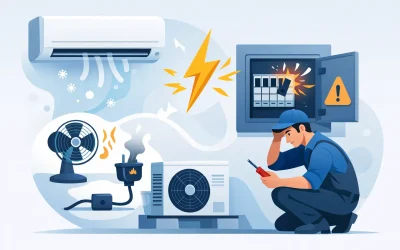
Most HVAC failures give some warning. The trouble is that these signs are often dismissed until comfort complaints become impossible to ignore. Train managers and supervisors to report changes early, even if the unit is still running.
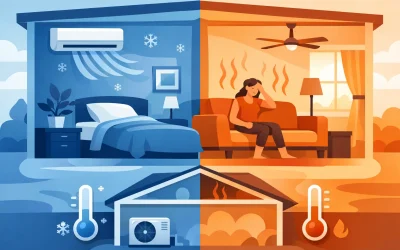
Common warning signs include inconsistent temperatures between areas, weak airflow, unusual noise, water around indoor units, frequent thermostat adjustments, musty smells, ice on pipework, rising power bills and systems that trip or restart. A unit that takes longer to cool is not necessarily about to fail, but it does need assessment before high demand exposes the fault.
Guest and staff feedback can be useful too. If staff repeatedly say one area is hot, do not assume it is just a busy night. There may be a failed zone motor, blocked filter, sensor issue, refrigerant fault or a system that is no longer suitable for the current layout and occupancy.
Keep controls, ventilation and hygiene in the plan
Air conditioning reliability is not only about compressors and fans. Faulty controls can cause systems to run at the wrong times, fight each other or fail to respond to load changes. Check thermostats, zone controls, timers and building management settings as part of regular servicing.
Ventilation also deserves attention. Hospitality spaces need fresh air, but poor balance can create uncomfortable drafts, humidity problems and pressure issues around kitchens and dining areas. In Queensland’s humid conditions, moisture management is a major factor in both comfort and mould prevention.
Hygiene cleaning supports performance as well as presentation. Dirty coils, filters and drains can restrict airflow, increase odours and create conditions that are unpleasant for guests and staff. The right cleaning frequency depends on the environment. A busy kitchen-adjacent unit will usually need more frequent attention than equipment in a low-traffic area.
Know when repair is no longer the smart option
Keeping older equipment running can appear cheaper, especially when a venue is managing multiple costs. But repeated repairs, poor efficiency and obsolete parts can turn an ageing system into an operational risk. A planned upgrade is usually less disruptive than an emergency replacement during a heatwave.
The decision depends on the unit’s condition and role. If a repair is minor and the system has a strong service history, repairing it may be sensible. If faults are recurring, energy costs are climbing or key components are difficult to source, replacement should be considered before failure forces the issue.
System upgrades can also solve problems that servicing cannot. A venue may have changed its seating layout, enclosed an outdoor area, added kitchen equipment or increased occupancy since the original installation. If the load has changed, the existing HVAC design may simply no longer meet demand.
Have an emergency response plan ready
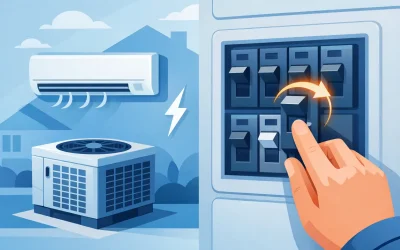
Even well-maintained systems can fail. Power events, storm damage, electrical faults and unexpected component failures happen. The difference is how quickly the venue can respond without confusion.
Keep equipment details, site access information, service records and the location of isolators available to the people who will be on site after hours. Make sure managers know who is authorised to approve urgent repairs and which areas should be protected first. For larger venues, it is worth documenting practical contingencies such as relocating guests, closing a non-critical zone or bringing in temporary cooling.
A responsive HVAC partner with hospitality experience can make these situations far easier to manage. Big Dog Mechanical supports Brisbane venues with preventative maintenance, asset audits, repairs and 24/7 breakdown assistance designed around operational reliability.
The best time to deal with a potential HVAC failure is when the dining room is empty, the rooms are available and your team has options. A clear maintenance plan turns air conditioning from a recurring emergency into one less thing your venue needs to worry about.