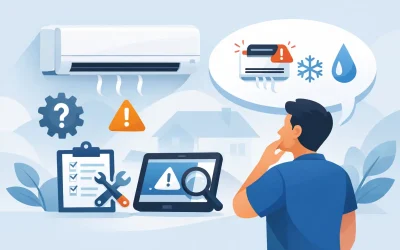
When an air conditioner starts smelling damp, pushing weak airflow or leaving rooms feeling sticky, the issue is not always a mechanical fault. Often, it is a hygiene problem inside the unit. The practical air conditioner hygiene cleaning benefits are cleaner airflow, better comfort, improved efficiency and fewer unpleasant surprises when Brisbane’s heat and humidity set in.
For homeowners, hygiene cleaning helps keep the system pleasant and dependable through a long cooling season. For facility managers and business operators, it supports a cleaner environment for staff, customers, residents and visitors while helping protect valuable HVAC assets. It is a focused service with real operational value – particularly in spaces where air conditioning runs for hours every day.
What hygiene cleaning addresses inside an air conditioner
Every air conditioner moves a large volume of air. Along with that air comes dust, fine particles, moisture and airborne contaminants. Filters catch some of it, but over time build-up can develop on the indoor coil, fan barrel, condensate tray and drain line.
In Queensland conditions, moisture is the key factor. An air conditioner removes humidity as it cools, and the indoor unit remains damp for a period after operation. When dust and moisture meet in a poorly maintained system, they can create the conditions for microbial growth and persistent odours.
A proper hygiene clean goes further than a quick filter rinse. A technician inspects the unit, safely accesses the relevant internal components, cleans accumulated debris, treats affected surfaces where appropriate and checks that condensate can drain correctly. The exact scope depends on the system, its condition and whether it is a split system, ducted unit, VRV/VRF system or larger commercial plant.
Air conditioner hygiene cleaning benefits for comfort and performance
Cleaner-smelling airflow
A stale, musty smell on start-up is one of the most common reasons people arrange a hygiene clean. It may be strongest when the unit first starts because settled moisture and residue are disturbed as air moves through the indoor section.
Cleaning the coil, fan and drain areas can reduce the source of these odours rather than simply masking them. If an odour remains after cleaning, further investigation may be needed. A blocked drain, damaged insulation, moisture issue in the building or a fault elsewhere in the system can produce similar symptoms.
More consistent cooling
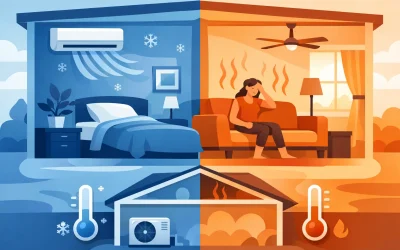
Dust and residue on an indoor coil can restrict heat transfer. Build-up on a fan barrel can also reduce the volume of air delivered into the room. The result is a system that may run longer, feel underpowered or struggle to cool evenly.
Hygiene cleaning removes this resistance and gives the equipment a fair chance to perform as intended. It will not turn an undersized unit into the right system for the space, nor fix a refrigerant leak or failed component. It can, however, remove a common and avoidable cause of poor airflow and reduced cooling performance.
Better energy efficiency
Air conditioning is often one of the larger electricity loads in a home or commercial property. When airflow is restricted or heat transfer is compromised, the system may need to operate longer to reach the selected temperature.
A clean system is generally able to move air and transfer heat more efficiently. The savings will vary. A lightly used bedroom split system may see a modest improvement, while a heavily used office, hospitality venue or education facility with multiple units may have more to gain from a planned maintenance approach. Hygiene cleaning is not a substitute for energy-efficient equipment selection, but it is a sensible part of keeping existing equipment operating efficiently.
Improved drainage and reduced water risk
The condensate tray and drain line manage the water removed from indoor air. If dirt, slime or debris builds up, drainage can slow or block. That can lead to dripping from the indoor unit, water marks, damage to ceilings or walls, and avoidable callouts.
During a hygiene clean, the drainage path should be checked as part of the job. Early attention to drainage is generally far easier and less disruptive than dealing with a leak after it affects finishes, stock, equipment or a tenant’s space.
A more pleasant environment for occupants
No air conditioning service can guarantee specific health outcomes, as indoor air quality is affected by many factors including ventilation, building condition, outdoor pollution and cleaning practices. But a clean air conditioner removes a known source of dust, residue and odour within the system.
That matters in homes, offices and customer-facing premises. It matters even more in aged care, education, hospitality and other environments where comfort, cleanliness and occupant confidence are part of everyday operations. A unit that smells fresh, drains properly and delivers steady airflow is simply easier to live and work with.
Why filters alone are not enough
Washing or replacing filters is worthwhile and should be done regularly. For many households, checking filters every month during periods of heavy use is a good habit. In commercial settings, filter inspections should sit within the site’s maintenance schedule and account for operating hours, occupancy and dust exposure.
But filters are only one part of the indoor unit. They do not clean the coil behind them, the fan barrel that distributes air, or the condensate tray below. A system can have clean-looking filters while internal components are carrying a significant build-up.
This is why a professional hygiene clean is different from a basic homeowner clean. It is designed to reach the areas that influence airflow, odour and drainage without damaging delicate fins, electrical components or internal plastics. Harsh household chemicals, excessive water and improvised cleaning methods can create more problems than they solve.
When should you book a hygiene clean?
There is no single interval that suits every air conditioner. Usage and environment make a difference. A rarely used unit in a clean, dry room will not need the same attention as a split system in a busy family living area, a café near cooking activity or an office running five days a week.
As a practical guide, arrange an assessment if you notice a musty smell, visible dust around the vents, reduced airflow, water dripping indoors, unusual noise from the fan area or a system that is taking longer to cool. Booking before peak summer is also sensible, as it gives technicians time to identify cleaning needs and any mechanical issues before the system is under maximum demand.
For commercial sites, hygiene cleaning is best included within preventative maintenance rather than treated as a one-off response. Planned inspections help facility teams manage assets, schedule work around operations and reduce the chance of a hygiene issue becoming a comfort complaint or unplanned breakdown.
Hygiene cleaning versus a standard air conditioner service
A standard service and a hygiene clean overlap, but they are not always the same thing. A service is generally broader, looking at system operation, temperatures, electrical components, filters, drainage and signs of wear. Hygiene cleaning places greater attention on internal cleanliness, contamination build-up and the components that affect air quality, odour and airflow.
The right approach may be a combined service and hygiene clean, particularly if the unit has not been maintained for some time. For a commercial property, the appropriate scope should reflect equipment type, operating conditions, compliance requirements and the critical nature of the space.
Big Dog Mechanical provides hygiene cleaning and ongoing air conditioning maintenance for Brisbane homes and commercial sites. The focus is straightforward: clean work, clear advice and practical maintenance that helps systems stay reliable when they are needed most.
Keep small issues from becoming summer disruptions
Air conditioners usually give warning signs before they fail outright. A damp smell, weaker airflow or a small leak may seem minor, but they can point to a unit that needs attention. Acting early protects comfort, helps avoid unnecessary running costs and reduces the chance of an inconvenient breakdown during a hot spell.
If your system is no longer delivering clean, steady airflow, arrange a professional assessment before the next stretch of humid weather. A well-maintained unit is easier to run, easier to rely on and far more comfortable to have overhead every day.