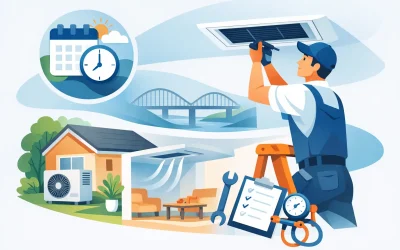
If your air conditioner smells musty when it starts, struggles to push air properly, or leaves dust building up faster than usual, the problem is often deeper than a quick filter rinse. That is where aircon hygiene cleaning services come in. They target the internal build-up that affects airflow, efficiency, indoor air quality and, over time, the reliability of the whole system.
For homes and businesses across Brisbane, hygiene cleaning is not a cosmetic extra. It is a practical maintenance task that helps your system run cleaner and harder for longer, especially in Queensland conditions where heat, humidity and regular use can put air conditioning under constant pressure.
What aircon hygiene cleaning services actually cover
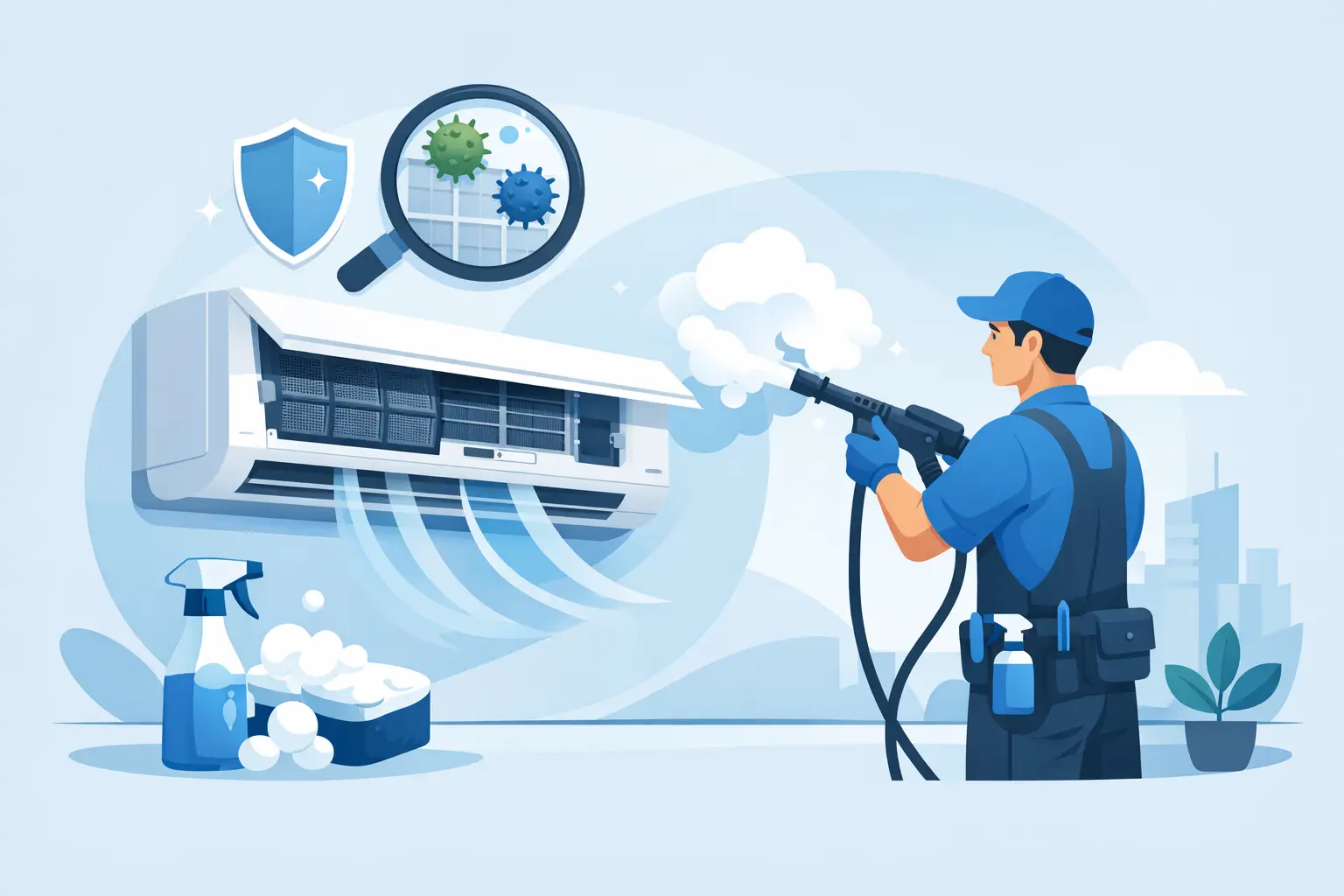
A proper hygiene clean goes beyond wiping the outside cover and washing a filter under the tap. The focus is on the parts of the system where moisture, dust, grime and microbial growth build up over time. In split systems, that often includes the indoor coil, fan barrel, drain tray, drain line and filters. In ducted and larger commercial systems, the scope can extend further depending on access, design and contamination levels.
The goal is simple – remove the build-up that normal day-to-day cleaning does not reach. When dirt collects on coils and fan components, the unit has to work harder to move air and transfer heat. When moisture sits in trays or drains, odours and biological growth can follow. Left alone, those issues can affect comfort, operating cost and the chance of an avoidable breakdown.
That is why hygiene cleaning sits in a different category to a basic service. A routine service checks operation, performance and obvious faults. A hygiene clean is more focused on internal cleanliness, contamination control and restoring proper airflow through the system.
Why hygiene cleaning matters in Brisbane
Brisbane air conditioning systems do not get much downtime. Long cooling seasons, humidity and heavy daily use mean internal components can accumulate grime quickly, particularly in bedrooms, living areas, offices, retail spaces and high-traffic commercial sites.
In residential settings, people usually notice the signs through smell, weak airflow or a unit that seems to run longer without delivering the same comfort. In commercial settings, the stakes are often higher. Poor hygiene can affect staff comfort, customer experience and the condition of sensitive environments such as aged care, education or hospitality spaces.
There is also the efficiency factor. A dirty indoor coil or fan assembly can reduce performance enough to push energy use up, even if the system is still technically working. That means you may be paying for cooling capacity you are not actually getting.
Signs you may need aircon hygiene cleaning services
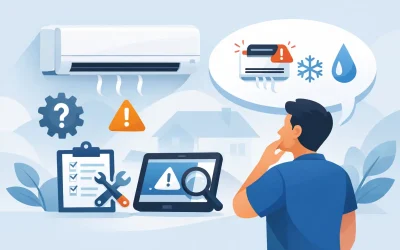
Some systems make it obvious. Others keep operating, but not well. If you are noticing a stale or sour smell when the unit starts, patchy airflow, visible grime around the outlet, water leaks from the indoor unit, or rooms taking longer to cool, a hygiene clean is worth considering.
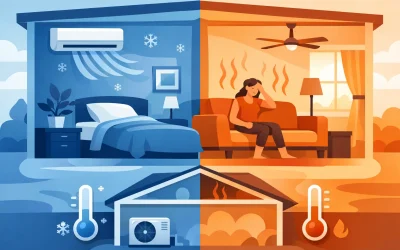
For commercial sites, another common trigger is inconsistency across zones. One area cools acceptably while another struggles, or occupants start raising repeated comfort complaints even though the plant is still online. In those cases, hygiene issues may be one part of a broader maintenance picture.
It also makes sense after a property has been vacant, after renovation works, or when a system has missed regular servicing. Dust from building works and long periods of neglect tend to show up inside the unit, not just on the surface.
What a proper clean can improve
The immediate benefit most people notice is better air movement and a fresher smell. Once internal components are cleaned properly, the system can often deliver air more freely and operate with less strain. In many cases, that improves comfort faster than people expect.
There can also be a flow-on effect for efficiency and wear. Cleaner coils and fan components generally allow the system to exchange heat more effectively. That does not mean every hygiene clean will slash power bills overnight, because results depend on the age and condition of the system, but it can remove one of the common causes of poor performance.
For businesses, the value often sits in risk reduction. Cleaner systems are less likely to suffer from blocked drains, airflow restriction and the kind of neglected build-up that contributes to nuisance faults. For homeowners, it is often about comfort, odour control and peace of mind.
Aircon hygiene cleaning services for homes and commercial sites
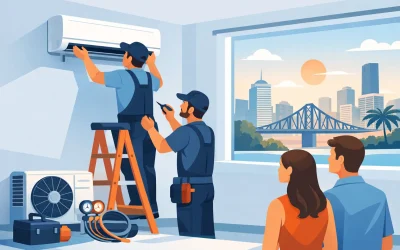
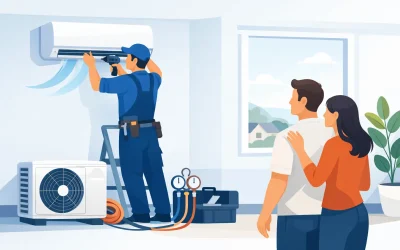
Residential and commercial systems need a different approach. In a home, the job may centre on one or several split systems, or a ducted setup serving the whole property. Access is usually simpler, and the concern is often around family comfort, odours and keeping the system dependable through summer.
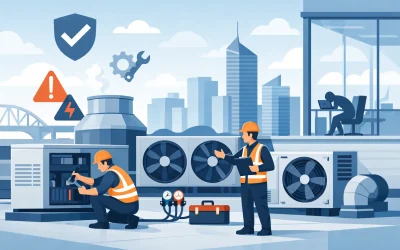
In commercial environments, hygiene cleaning needs to fit around operations, compliance expectations and site access. A café, office, medical setting or aged care facility cannot always afford disruption during business hours. Larger systems may also involve more components, more zones and more planning to clean safely and effectively.
That is where working with a team that understands both domestic and commercial HVAC matters. The cleaning itself is only part of the job. Knowing how the system is used, where the risk points are and how to minimise downtime is just as important.
Hygiene cleaning versus a standard service
This is where plenty of people get caught out. They book a service, assume the unit will be thoroughly cleaned, and later find the smell or airflow issue is still there. A standard service and a hygiene clean can overlap, but they are not always the same thing.
A standard service is generally aimed at checking operation, testing performance, inspecting key components and picking up faults before they become bigger problems. A hygiene clean is more labour-intensive and targeted at contamination, internal dirt build-up and cleaning components that affect air movement and cleanliness.
Sometimes you need both. If the system is overdue for maintenance and showing hygiene issues, combining the two makes sense. If the unit is performing well mechanically but smells unpleasant or has obvious grime build-up, hygiene cleaning may be the priority.
Choosing the right provider
Not all cleaning jobs are equal. If a contractor is only offering a quick spray-and-wipe, you may not get the result you are expecting. The right provider should be clear about scope, realistic about what cleaning can and cannot fix, and experienced across the type of system you have.
That matters because some issues that look like hygiene problems are actually mechanical faults, drainage failures or broader performance issues. A capable HVAC team will identify the difference. They will also know when a system is too far gone for cleaning alone to be the answer.
For Brisbane customers, responsiveness counts as well. If a commercial site has comfort complaints across multiple spaces, or a homeowner has a leaking, smelly unit in the middle of summer, waiting weeks for a booking is not much help. Big Dog Mechanical works across both residential and commercial systems, which means the advice is grounded in how these systems perform in the real world, not just in theory.
How often should aircon hygiene cleaning services be booked?
There is no single rule that suits every system. It depends on how often the unit runs, the environment it is in, how well filters are maintained and whether the site is residential, commercial or high-traffic. A bedroom split system used seasonally will not build up grime at the same rate as a retail or office unit running day after day.
As a guide, systems in heavy use or in sensitive environments usually need closer attention. Homes may need hygiene cleaning less often than a commercial property, but if there are pets, dust, moisture issues or constant use, the schedule can tighten up quickly. The practical approach is to have the system assessed as part of regular maintenance rather than waiting for smell, leaks or airflow problems to become impossible to ignore.
When cleaning is not enough
A hygiene clean can make a major difference, but it is not a fix for every air conditioning problem. If a coil is badly corroded, a fan motor is failing, refrigerant levels are off, or controls are malfunctioning, cleaning alone will not restore proper performance. In older systems, hygiene issues sometimes show up alongside general wear and tear.
That is why honest advice matters. The best outcome is not always the cheapest short-term option. Sometimes cleaning is the right move. Sometimes the better call is repair, a broader service, or planning for replacement before a breakdown hits at the worst time.
A clean air conditioning system does more than smell better. It supports airflow, helps protect efficiency and gives your system a better chance of staying reliable when you need it most. If your unit is showing signs of internal build-up, acting early is usually easier and cheaper than waiting for the problem to turn into a repair job.